 comparison
Taco Catering vs Food Truck for Private Events
Last Updated: November 8, 2026
Quick Summary
Taco catering suits sit-down or buffet-style private events where you want predictable service and a wide menu, while a food truck suits casual outdoor gatherings where watching the cooking is part of the fun. Taco catering moves large groups efficiently through a staffed serving line. A food truck is limited by its cooks and order windows, so long lines are a risk at bigger events.
- Taco catering brings a full menu and staffed service to your event.
- A food truck brings a mobile kitchen and a lively, street-food feel.
- Ask providers for a written quote that itemizes every charge, including tax and gratuity.
- Multiply peak-hour guest count by items per guest to test a provider's capacity.
- Walk the truck's route with the operator to confirm it can reach the serving spot.
Table of Contents
- Taco Catering vs Food Truck: Which Fits Your Private Event
- How the Two Service Styles Actually Work
- Taco Bar vs. Taco Truck for Events: Cost, Capacity and Atmosphere
- Food Truck Event Space Requirements You Need to Plan For
- Food Truck Service Time for Events and Managing Guest Flow
- Dietary Needs, Allergens and Menu Customization
- Questions to Ask a Taco Caterer Before You Book
- Booking Your Event at The Corner Kick Cantina
- Frequently Asked Questions
Taco Catering vs Food Truck: Which Fits Your Private Event
Planning a private party in Omaha and trying to decide between taco catering and a food truck? The Corner Kick Cantina has put together this guide to help you compare the two service styles side by side. The right choice depends on your guest count, your venue, your budget and the kind of atmosphere you want. Taco catering brings a full menu and staffed service to your event, while a food truck brings a mobile kitchen and a lively, street-food feel. Both can work well, but they solve different problems.
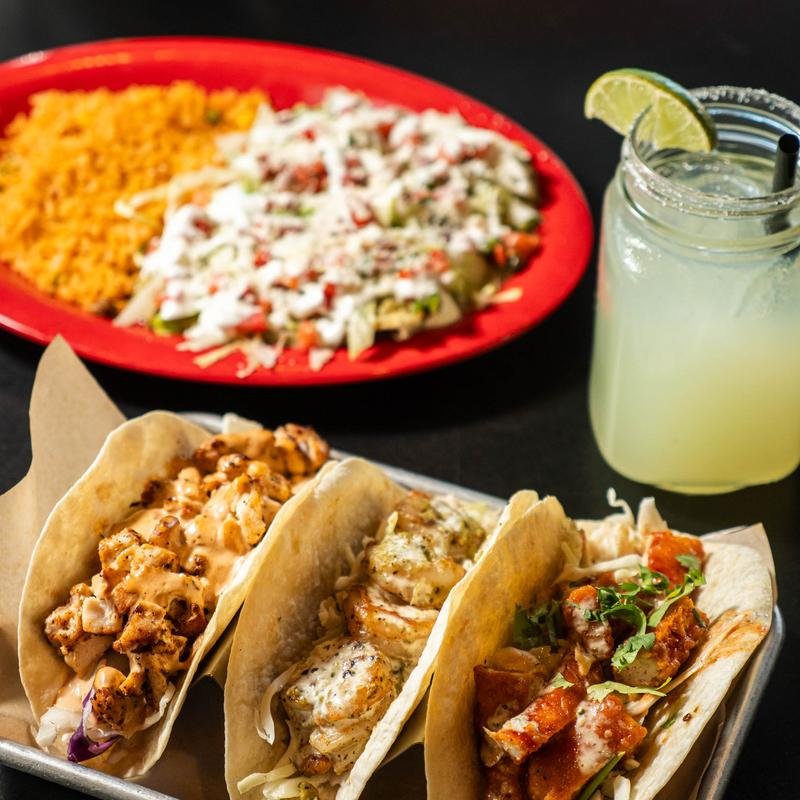
Here is the short version: taco catering suits sit-down or buffet-style events where you want predictable service and a wide menu. A food truck suits casual, outdoor gatherings where the cooking itself is part of the fun. Keep reading for a closer look at how each one works.
How the Two Service Styles Actually Work
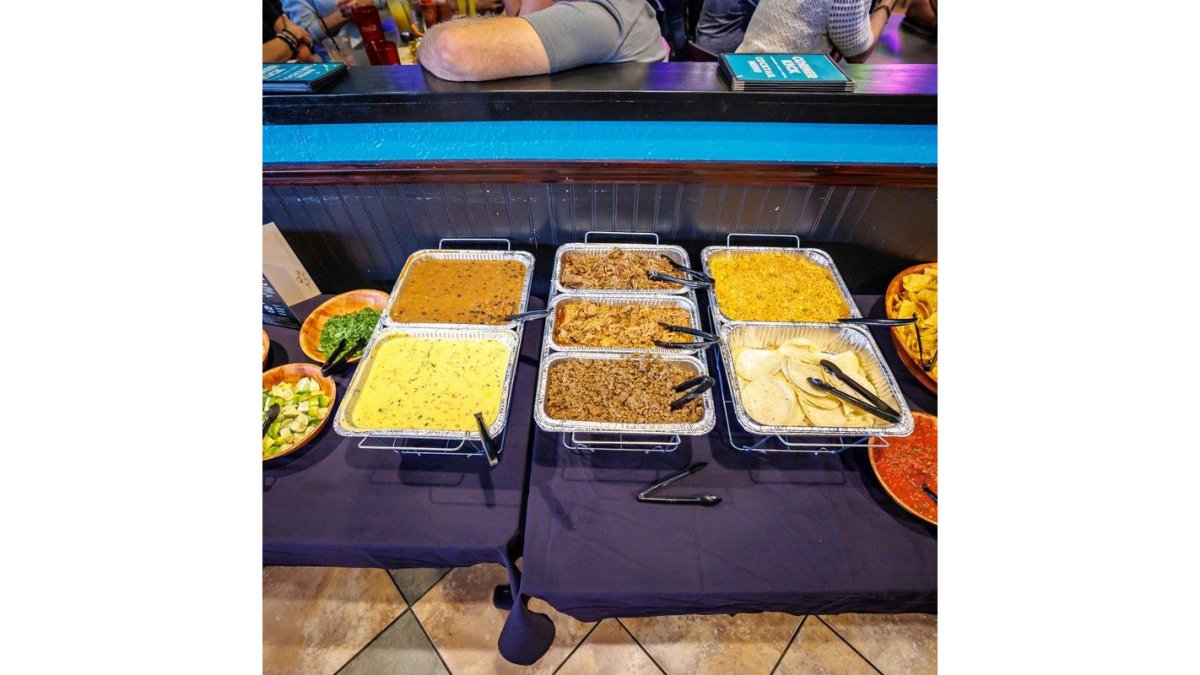
With taco catering, a team prepares and serves the food at your event, usually as a taco bar or buffet. You typically agree on a menu, a headcount and a service window in advance. The caterer brings the equipment, sets up the serving line and handles breakdown afterward. Guests move through the line at a steady pace, and the food stays warm and organized throughout.
A food truck works differently. The truck parks at your location, cooks to order from a window or small service area, and guests line up to order. Menus are often shorter and more focused. The energy is more casual, and the cooking happens in full view, which many guests enjoy. The trade-off is that throughput depends heavily on how many cooks and windows the truck runs, so long lines are a real risk at bigger events.
For a complete walkthrough of how catering works for private gatherings, see our [page:1].
Taco Bar vs. Taco Truck for Events: Cost, Capacity and Atmosphere
Cost is where many hosts start, and it is also where comparisons get tricky. Headline rates rarely tell the whole story. A useful comparison adds up every line a provider can charge for: per-person food cost, minimum guest counts or minimum spends, travel or delivery distance fees, on-site staffing hours, equipment and rental items (chafing dishes, linens, serving utensils), disposable plates and cutlery, sales tax, gratuity, and any extended-service or overtime charge if your event runs long.
Watch out: quotes that omit tax, gratuity, or a service-duration cap are the most common source of event-day budget surprises, so ask specifically whether the quoted figure is the final amount.
Capacity is the second half of the cost picture, because the cheapest option per head is useless if guests spend the evening in line. A taco bar can move a large group efficiently because several guests load plates at once across a wide serving line.
A simple way to pressure-test either option: multiply your expected peak-hour guest count by the average number of items each guest orders, then compare that to the provider's stated hourly capacity. If you are weighing a self-hosted option, a DIY taco bar hosting guide walks through running one from start to finish. If the peak-hour demand exceeds capacity, you will have a line.
Atmosphere is the final factor. A food truck adds a casual, festival-like feel, especially at outdoor parties, and the cooking itself becomes entertainment. A catered taco bar feels more polished and works well for birthdays, client events, or anything with a more formal tone. When the event’s atmosphere calls for the flexibility of a food truck, Blowin' Smoke Cookers can help frame the choice around the setting and service style.
Food Truck Event Space Requirements You Need to Plan For
Space is the factor hosts most often overlook, and it is the one most likely to derail a food truck booking. Work through this checklist with the operator and your venue before you commit:
- Truck access and turning room. Confirm the truck's length, width, and height, plus the turning radius it needs to enter and exit. A truck that fits a parking lot on paper may not fit through a narrow driveway or under a low tree branch.
- Parking and surface. The spot should be level and firm enough to support the truck's weight. Gravel, soft turf after rain, and steep slopes are common problems.
- Power and water. Ask whether the truck is self-contained or needs a power connection, and whether it needs water access or a greywater plan. If it needs power, confirm the outlet type and whether the venue allows it.
- Permits and venue rules. Many venues and municipalities restrict where food trucks can operate, how close they can park to a building, and what hours they can serve. Check with your venue and local authority rather than assuming anything is allowed.
- Guest queuing space. Lines form at the service window, so give them a dedicated area that does not block walkways, driveways, or entrances. Add shade, seating, and restroom access nearby so waiting guests stay comfortable.
- Indoor alternative. If the event is indoors or the weather turns, confirm whether the truck can serve from a garage bay, covered drive, or adjacent outdoor area, or whether you need a drop-off or buffet setup instead.
- Weather and contingency plan. Outdoor events need a covered serving area or a rain date. Ask the provider how they handle weather cancellations and whether any deposit is refundable.
A staffed taco bar has different space needs: it typically requires a serving-line footprint inside or under cover, plus room for prep and cleanup, but it does not need truck access, turning room, or the same power setup. That makes a taco bar the more flexible choice for tight venues, indoor spaces, and locations where a truck cannot park close to guests.
Watch out: the most common venue failure is discovering on event day that the truck cannot reach the serving spot, so walk the route with the operator in advance whenever possible.
Food Truck Service Time for Events and Managing Guest Flow
Service speed is one of the most important questions to ask any food truck. Ask how many cooks and service windows the truck runs, and how many orders it can process in an hour. Then compare that against your guest count and expected arrival window. A party where everyone arrives at once needs more capacity than one where guests trickle in over two hours.
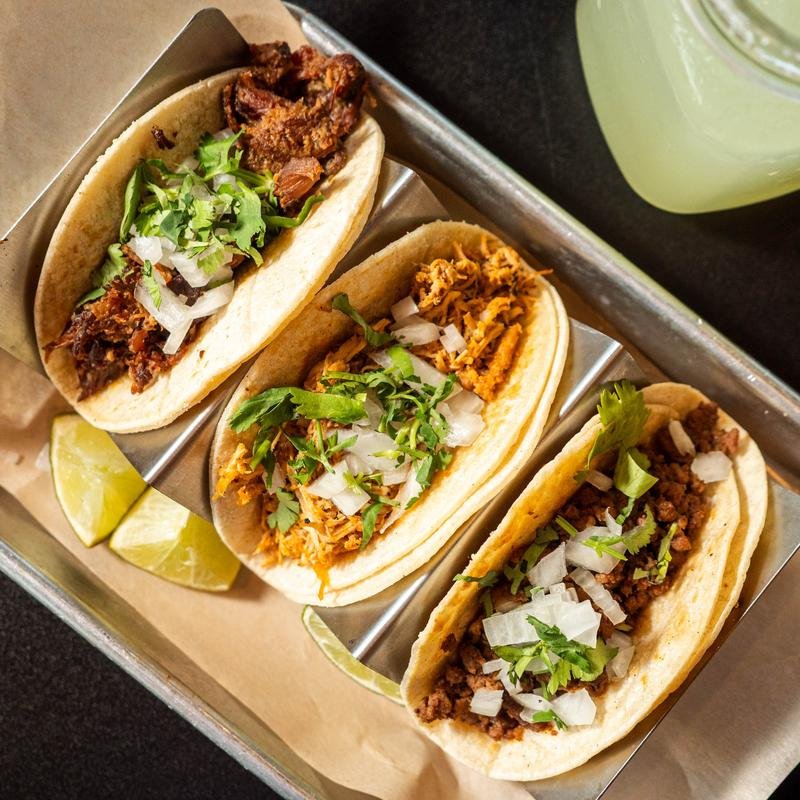
Manage the flow by giving guests a clear starting point. Post a simple menu near the line, consider staggering food service by time slot, and encourage guests to order in small groups. For larger events, a second truck or a taco bar alongside the truck can keep lines short.
Taco catering handles flow differently. A set serving line with staff guiding guests keeps people moving and reduces bottlenecks. Ask your caterer how many serving stations they plan to run and how they handle peak times.
The table below compares how each service style handles guest flow and capacity, based on the points above.
| Factor | Food truck | Taco catering |
|---|---|---|
| Throughput | Limited by cooks and order windows | Multiple guests load plates at once |
| Menu | Shorter, focused menu | Wide menu with set serving line |
| Line management | Requires queue area and clear menu | Staff guide guests through the line |
| Best for large crowds | Needs a second truck or taco bar | Handles peak times with serving stations |
Dietary Needs, Allergens and Menu Customization
Dietary needs should shape your choice of provider. Ask about vegetarian, gluten-free and dairy-free options, and find out how the kitchen handles allergens. Our gluten-free dining guide explains how safe gluten-free handling is approached in busy kitchens. Cross-contact is a real concern when a truck cooks multiple proteins on shared equipment. Ask whether dedicated prep surfaces or utensils are available and how the team labels dishes.
Menu customization varies widely. Some providers offer a fixed menu, while others allow you to choose proteins, toppings and sides. Confirm early which items can be swapped and whether any substitutions change the price. Clear communication with the caterer or truck operator before the event helps prevent problems on the day.
Questions to Ask a Taco Caterer Before You Book
Use this checklist when you talk to any provider:
- What is the total cost, including setup, staffing, disposables and breakdown?
- How many guests can you serve per hour, and how many serving stations will you run?
- What is your service window, and how early do you arrive for setup?
- What does the menu include, and can we customize proteins, toppings or sides?
- How do you handle dietary restrictions, food allergies and cross-contact?
- What space and power do you need, and do you bring your own equipment?
- What is your weather and cancellation policy?
- Do you need a deposit, and what is your refund policy?
Asking these questions early saves time and prevents surprises on event day.
Booking Your Event at The Corner Kick Cantina
If you want a team that handles the planning, The Corner Kick Cantina offers catering options for events of any size, from intimate gatherings to larger private parties. Our kitchen prepares scratch-made tacos and burritos with fresh ingredients, and our team focuses on fast, friendly service so your guests stay fed and happy. Contact us for current pricing and availability, since costs depend on your date, headcount and service needs. Book your private event with The Corner Kick Cantina and let us take care of the food while you enjoy the party.
Frequently Asked Questions
What is cheaper, a food truck or catering?
Neither option has a fixed price, because cost depends on guest count, menu choices, service length, travel distance and whether staffing, rentals or a minimum spend apply. Taco catering often includes staffed service, setup and breakdown, which can raise the total. A food truck may lower the cost when the host can supply power, parking and a clear serving area. The most reliable way to compare is to request a written quote from each provider for the same guest count, service window and menu, then add up every line item, including fees. For current pricing, contact The Corner Kick Cantina directly.
What is the difference between a taco bar and a taco food truck?
A taco bar is a self-service setup where guests build their own tacos from stations of meats, tortillas and toppings, usually set up inside a venue or tent. A taco food truck cooks to order from a mobile kitchen, so guests wait in a line but receive freshly prepared food. Taco bars suit larger groups who want to move around and serve themselves, while food trucks create an event atmosphere and work well for outdoor parties. Many hosts choose based on space, guest flow and how much they want the food to feel like part of the entertainment.
Can taco catering accommodate dietary restrictions?
Many taco caterers can adjust menus for common needs such as vegetarian options, gluten-free tortillas or dairy-free toppings, but the details vary by provider. Ask which ingredients are prepared in shared areas, how cross-contact is handled, and whether guests with serious food allergies should be told about specific items. Share a complete list of restrictions when you book, not on the day of the event. Confirm the plan in writing so the kitchen team knows what to prepare separately.
How long does food truck service take for a private party?
Service time depends on the number of guests, the number of serving windows and how quickly the cooks can prepare each order. A single truck typically serves a steady line, so it helps to plan for a longer service window with staggered arrival times. Ask the provider to estimate how many guests they can serve per hour, then compare that figure with your guest count. Setup and breakdown time should be added to the service window when you plan the event schedule.