 comparison
Is Midwest Mex the Same as Authentic Mexican Food?
Last Updated: October 29, 2026
Quick Summary
Midwest Mex is not the same as authentic Mexican food. It is a regional American cooking style that blends traditional Mexican techniques and ingredients with Midwestern tastes, and it differs from Tex-Mex too. Authentic Mexican food is a set of regional traditions, while Midwest Mex is a regional American tradition with Mexican roots.
- Midwest Mex grew from Mexican families who moved to Midwestern cities and farming towns for meatpacking, railroad, and agriculture work.
- Tex-Mex formed along the Texas border and gave us chili con carne, fajitas, and heavy melted cheese.
- Midwest Mex cooks often keep more traditional Mexican technique than Tex-Mex because the style grew up in home kitchens.
- Corn tortillas signal a more traditional dish, while flour tortillas signal a more adapted one.
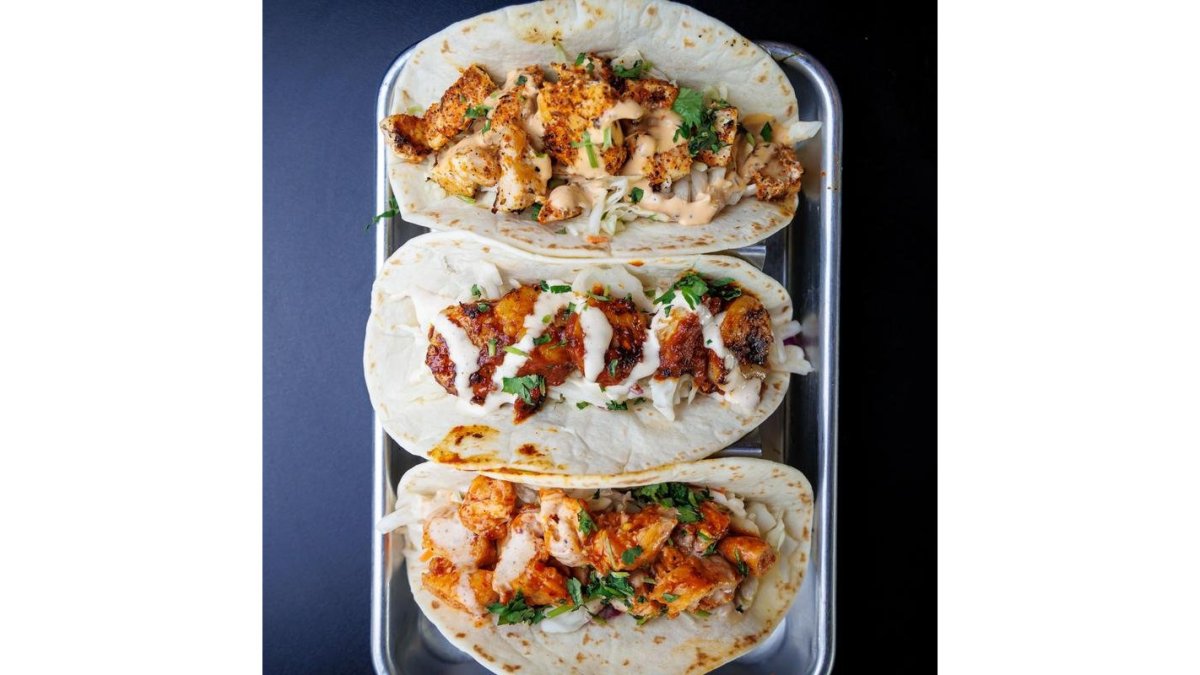
- Order a street taco and a loaded taco side by side to compare the tortilla, cheese, and salsa.
Table of Contents
- What Is Midwest Mex Cuisine and How Did It Take Shape?
- Authentic Mexican Food: Regional Roots and Defining Ingredients
- Midwest Mex vs Tex-Mex: Two American Adaptations, Different Paths
- Mexican-American Cuisine: The Bridge Between Two Kitchens
- Dish by Dish: Midwest Restaurant Staples and Their Mexican Counterparts
- How to Read a Menu: An Ingredient and Ordering Guide
- Taste the Difference at The Corner Kick Cantina
- Frequently Asked Questions
What Is Midwest Mex Cuisine and How Did It Take Shape?
Midwest Mex cuisine is a regional American cooking style that blends traditional Mexican techniques and ingredients with the ingredients, tastes, and dining habits of the American Midwest. It is not a copy of authentic Mexican food, and it is not Tex-Mex either. It is its own thing, built over generations.
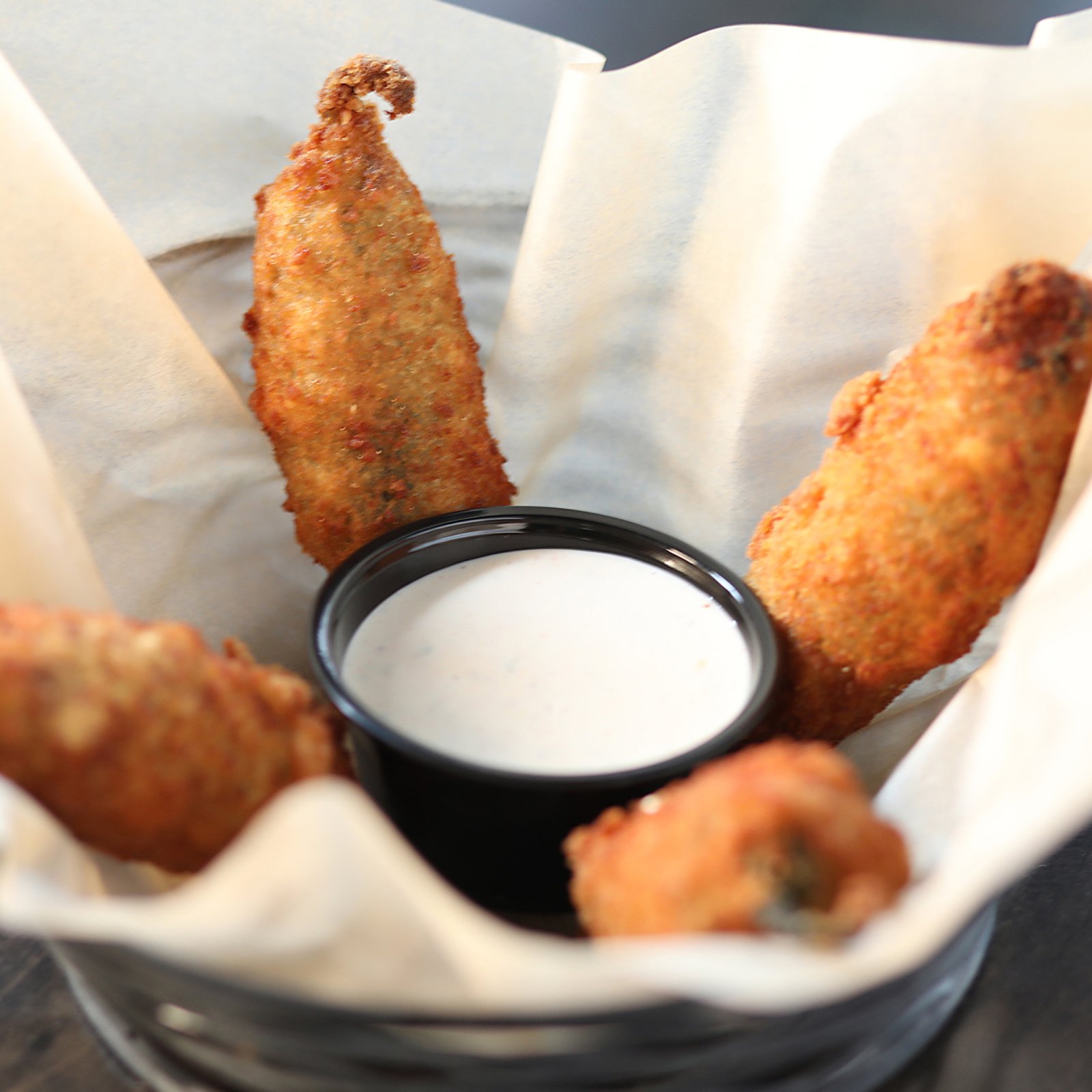
The story starts with migration. Mexican families moved into Midwestern cities and farming towns through the twentieth century to work in meatpacking plants, railroads, and agriculture. They brought corn tortillas, chile sauces, and slow-cooked meats with them. What they found was different: easier access to beef and pork, dairy in abundance, wheat flour, and diners who wanted familiar textures.
That collision produced a distinct cuisine. Cooks adapted. They kept the soul of traditional Mexican food and translated the flavors for a new audience. If you want the long version of that history, our piece on the history of Mexican food in the Midwest
The result is a food culture that celebrates both roots: Mexican culinary tradition, filtered through Midwestern kitchens.
Authentic Mexican Food: Regional Roots and Defining Ingredients
Authentic Mexican food is not one cuisine. It is dozens. A cook in Oaxaca, a cook in Sonora, and a cook in Yucatán use different chiles, different meats, and different cooking methods, and each region considers its own food the real thing.
That matters for this comparison. When people say "authentic Mexican food," they usually mean the coastal and central traditions that reached the U.S. first: corn tortillas pressed by hand, chiles toasted and ground into sauces, beans cooked from dry, queso fresco and cotija crumbled on top, seafood in coastal states, and pozole simmered for hours.
Here is the key distinction. Authenticity in Mexican cooking is regional, not singular. The Smithsonian's research on Mexican food history shows how deeply indigenous ingredients like corn, beans, and chiles shaped the cuisine long before European contact. Corn is the backbone. Chiles provide the heat and the depth. Beans and squash round out the plate.
So when a Midwestern kitchen swaps a fresh serrano salsa for a milder sauce, it is not corrupting a fixed recipe. It is doing what cooks in Mexico have always done: adapting to what is available and who is eating.
Midwest Mex vs Tex-Mex: Two American Adaptations, Different Paths
Midwest Mex and Tex-Mex are both American adaptations of Mexican cooking, but they grew from different histories and developed different signatures. Tex-Mex formed along the Texas border, where Mexican and Anglo foodways mixed for well over a century. It gave us chili con carne, fajitas, and heavy melted cheese.
Midwest Mex formed later and farther north, shaped by industrial jobs, shorter growing seasons, and a diner culture that favors hearty portions. The differences show up on the plate:
| Feature | Tex-Mex | Midwest Mex |
|---|---|---|
| Tortilla default | Flour, often | Mix of corn and flour |
| Cheese | Heavy, melted, everywhere | Present but more restrained |
| Heat level | Medium, sauce-driven | Milder, built for broad tables |
| Signature plate | Fajitas, combo platters | Smothered burritos, loaded tacos |
| Salsa style | Cooked red, chile gravy | Fresh and cooked, often tomato-forward |
Neither style is more legitimate than the other. They are siblings with different upbringings. What most guides miss is that Midwest Mex cooks often keep more traditional Mexican technique than Tex-Mex does, because the style grew up in home kitchens rather than restaurant chains.
Mexican-American Cuisine: The Bridge Between Two Kitchens
Mexican-American cuisine is the broad category that holds both of these styles together. It covers Tejano cooking in Texas, Norteño influences in the border regions, and the family recipes that traveled to Midwestern towns and stayed.
Think of it as a bridge. On one side sit the regional traditions of Mexico. On the other sits the American table, with its own expectations about portions, spice, and sides. Mexican-American cooks have walked that bridge for generations, and the food they made is not a compromise. It is a translation.
The Library of Congress's collections on Mexican-American heritage documents how these foodways moved and settled across the country. What the record shows is adaptation without erasure: families kept the sauces, the slow braises, and the corn, and adjusted the edges.
That is the honest way to compare authentic Mexican food versus Midwest Mex. One is a set of regional traditions. The other is a regional American tradition with Mexican roots. Both are real. Both are worth eating.
Dish by Dish: Midwest Restaurant Staples and Their Mexican Counterparts
Line up the dishes and the family tree becomes obvious. Every Midwest Mex staple has a Mexican ancestor, but the translation is specific. Here is how the most common plates diverge, ingredient by ingredient.
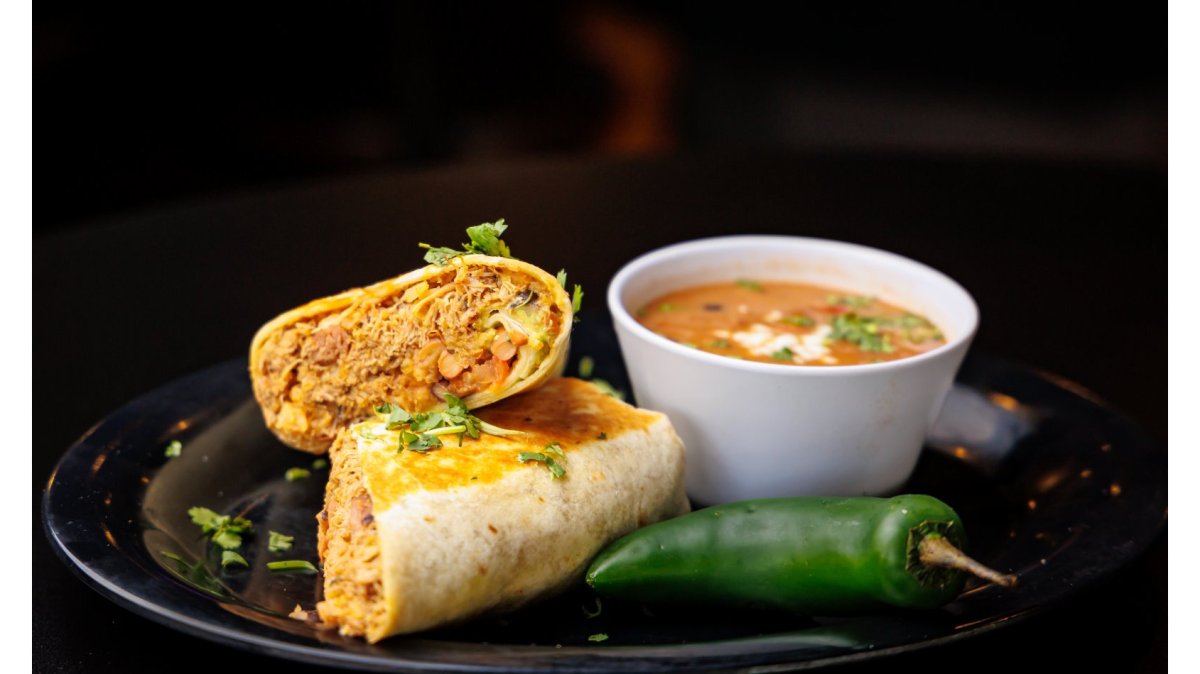
The smothered burrito vs. the Northern Mexican burrito. The original burrito from Sonora and Chihuahua is a modest flour tortilla wrapped around shredded beef or beans, often eaten by hand. If the idea of a house specialty appeals to you, read what a signature burrito is and why to try one.
Loaded tacos vs. street tacos. A street taco is two small corn tortillas, a few ounces of meat, onion, cilantro, and a squeeze of lime. The Midwest loaded taco keeps the corn tortilla but adds lettuce, tomato, shredded cheese, and sometimes sour cream. The additions are about texture and familiarity, not heat.
Chips and salsa. This is a restaurant invention, not a home tradition. In Mexico, tortillas are eaten with meals, and fried chips with salsa are more of a bar snack. The Midwest version made it the default opener, and the salsa is often tomato-forward and milder than a roasted chile salsa.
Queso dip vs. chile con queso. Chile con queso is a Tex-Mex dish of melted cheese with green chiles, sometimes with ground beef. Midwest kitchens often add pico de gallo or seasoned beef and serve it as a shareable dip.
Pozole. This is the exception. Pozole is a traditional Mexican soup of hominy and pork or chicken, and it shows up on more Midwestern menus than you might expect.
Enchiladas. Traditional Mexican enchiladas are lightly fried corn tortillas dipped in a chile sauce, filled with chicken or cheese, and topped with crema and queso fresco. The Midwest version often uses a flour tortilla, a heavier pour of sauce, and a thick layer of melted cheese. The difference is in the tortilla and the cheese ratio.
Tamales. A traditional tamale is masa spread on a corn husk, filled with pork or chicken in a red or green sauce, and steamed. Midwest versions sometimes use a softer masa and milder filling, but the format stays close. Tamales are a good test of a kitchen's traditional leanings.
The pattern holds across the menu: same roots, different soil, and the differences are usually in the tortilla, the cheese, and the sauce.
How to Read a Menu: An Ingredient and Ordering Guide
Reading a menu well comes down to a few signals. Use this checklist the next time you order, and pay attention to the ones that separate Midwest Mex from traditional Mexican cooking:
- Tortilla type: Corn signals a more traditional dish. Flour signals a more adapted one. A mix of both on the same plate is a Midwest Mex tell.
- Cheese style: Crumbled queso fresco or cotija points to traditional Mexican cooking. Melted jack or cheddar points to American adaptation. A thick layer of melted cheese over a burrito or enchilada is a Midwest signature.
- Salsa description: "Roasted" or "charred" usually means deeper chile flavor. "Fresh" means brighter and milder. A tomato-forward salsa with little heat is common in Midwest Mex.
- Meat language: "Slow-cooked," "braised," or "carnitas" suggest traditional preparation. "Seasoned ground beef" signals adaptation.
- Spice cues: Ask your server which dishes carry real heat. Menus often undersell it. Midwest Mex kitchens dial heat down on purpose so a whole table can eat together.
- Sides: Rice and beans together is the American plate. A dish served alone is often closer to tradition.
- Sauce coverage: A plate covered in red or green sauce and melted cheese is likely Midwest Mex. A plate with a drizzle of salsa or a squeeze of lime is likely closer to traditional.
A common mistake is assuming the milder dish is the lesser one. It is not. Midwest Mex kitchens dial heat down on purpose so a whole table can eat together. Ask for extra salsa or fresh chiles if you want the spice level up, and most kitchens will happily oblige.
Taste the Difference at The Corner Kick Cantina
The best way to settle the authentic Mexican food versus Midwest Mex question is to eat both and decide for yourself. Our scratch kitchen serves Mid-West Mex cooking, and our curated tequila selection gives you something to sip alongside your meal. Browse our menu to see the dishes for yourself.
We are built for soccer nights, first dates, family dinners, and private events, with a space that shifts to fit the occasion. Learn more about us and our scratch-kitchen approach.
Frequently Asked Questions
What is the main difference between authentic Mexican food and Midwest Mex?
Authentic Mexican food refers to dishes rooted in Mexico's regional culinary traditions, using ingredients like corn tortillas, queso fresco, chiles, and fresh salsas. Midwest Mex is a regional American adaptation shaped by local ingredients and migration patterns. It tends to use flour tortillas more often, larger portions of melted cheese, and milder spice levels. Neither is more legitimate; they are simply different culinary traditions with distinct histories and flavor profiles.
Is Midwest Mex the same as Tex-Mex?
No. Tex-Mex grew out of the Tejano culture of Texas and leans on yellow cheese, chili gravy, and crispy tacos. Midwest Mex developed separately through migration to Midwestern cities and local agriculture, producing its own staples like smothered burritos and mild red sauces. The two share some Mexican-American roots, but their ingredients, seasoning, and signature dishes differ in noticeable ways.
What ingredients are common in Midwest Mex cuisine?
Midwest Mex kitchens typically work with flour and corn tortillas, ground and shredded beef, melted cheddar or Monterey Jack, mild red and green sauces, and locally sourced produce like tomatoes, onions, and peppers. Seasoning tends toward cumin, garlic, and mild chiles rather than the sharper heat of traditional Mexican salsas. Scratch-made salsas and fresh tortillas are often points of pride for Midwest Mex restaurants.
How does Midwest Mex differ from traditional Mexican food?
Traditional Mexican food varies widely by region, from the seafood of coastal areas to the pozole and rich sauces of the interior, and it emphasizes corn, fresh chiles, and bright salsas. Midwest Mex adapts those foundations to Midwestern tastes and ingredients, often softening spice levels and adding more cheese and larger portions. The result is a distinct regional cuisine that honors Mexican roots while reflecting its own local food culture.
Comparing cuisines is easy. Finding a table that does both well is harder. At The Corner Kick Cantina, we serve Mid-West Mex scratch cooking with all-natural meats, locally made yellow maiz tortillas, and a curated tequila selection, all in a space built for sports and good company. Get started with The Corner Kick Cantina and book your table today.