 how-to
Roasted Jalapeño Salsa: How to Make It at Home
Last Updated: November 9, 2026
Quick Summary
To make roasted jalapeño salsa, roast jalapeños, Roma tomatoes, half a white onion, and unpeeled garlic under a broiler, in a skillet, in a 450°F oven, or on a grill until charred. Then peel the garlic and jalapeños, blend everything with cilantro, lime juice and salt, and adjust texture and seasoning to taste.
- Use about 4 jalapeños, 3 Roma tomatoes, half a white onion, and 2 garlic cloves.
- Broil 6 to 10 minutes with the rack about 6 inches from the heat.
- Oven-roast at 450°F for 20 to 25 minutes if your oven has no broiler.
- Scrape out the ribs and seeds to make the salsa milder.
- Pulse for chunky salsa or blend 20 to 30 seconds for smooth.
Table of Contents
- Ingredients and Quantities for Roasted Jalapeño Salsa
- Roasting Jalapeños, Tomatoes and Garlic: Three Methods Compared
- Controlling Heat and Handling Jalapeños Safely
- Blending Roasted Tomato and Jalapeño Salsa to the Right Texture
- Making Roasted Jalapeño Salsa Verde
- Creamy Jalapeño Salsa and Other Variations
- Seasoning, Troubleshooting and the Roasted Jalapeño Sauce Recipe
- Storing Your Salsa and Serving It at Home
- Frequently Asked Questions
Roasted jalapeño salsa is one of the easiest ways to make a bold, smoky dip at home, and the roasting step is what sets it apart from a raw pico. This guide walks you through the ingredients, roasting methods, heat control, texture, and storage. Every step below is one you can follow in an ordinary kitchen.
Ingredients and Quantities for Roasted Jalapeño Salsa
A basic batch uses about 4 jalapeños, 3 Roma tomatoes, half a white onion, 2 garlic cloves, a handful of cilantro, the juice of one lime, and salt to taste. Scale up or down as needed, since the ratio of chiles to tomatoes is what gives the salsa its character.
Some cooks add a serrano pepper for extra heat, or swap some Roma tomatoes for tomatillos for a brighter, tangier version. A splash of olive oil before roasting helps the vegetables blister instead of steam.
- 4 jalapeños
- 3 Roma tomatoes
- ½ white onion
- 2 garlic cloves, unpeeled
- Small handful of cilantro
- Juice of 1 lime
- Salt to taste
Roasting Jalapeños, Tomatoes and Garlic: Three Methods Compared
Roasting is what turns raw vegetables into deep, sweet, smoky flavor. You can char them under the broiler, in a dry skillet, or on a griddle, and each method gets you there with slightly different results. The comparison below gives you temperatures, timing, and visual doneness cues so you can pick a reliable approach with the equipment you actually own.
Broiler method
Set your oven rack about 6 inches from the heat and turn the broiler to high. Lay the jalapeños, halved tomatoes (cut side down), and unpeeled garlic on a sheet pan. Broil for 6 to 10 minutes, turning the peppers and tomatoes once, until the skins blister and blacken in spots. The garlic is done when the cloves feel soft when pressed with tongs and the papery skin has darkened slightly; pull the garlic early if it starts to scorch, since burnt garlic turns bitter. This is the fastest method and the one most home cooks reach for.
!Jalapeños and tomatoes blistered and charred on a sheet pan under a broiler, with a cook's hand holding tongs in a home kitchen. The scene is set in a home kitchen with warm overhead light. The cook is American.
Skillet or griddle method
Heat a dry cast-iron skillet or griddle over medium-high heat. Add the jalapeños and tomato halves cut side down, and press gently with a spatula. Turn every 2 to 3 minutes until they char on all sides, about 8 to 12 minutes total. The peppers are ready when the skin lifts and darkens in patches and the flesh yields slightly when pressed. This takes a little longer than the broiler but gives you more control over each piece, and it works well for a small batch.
Oven-roasting method (no broiler required)
If your oven has no broiler setting, or you want a more even roast, set the oven to 450°F and roast the jalapeños, tomato halves, and unpeeled garlic on a sheet pan for 20 to 25 minutes, turning once halfway through. The vegetables are done when the skins are wrinkled and browned in spots and the tomatoes have collapsed slightly. Oven roasting is slower and less charred than broiling, but it produces a sweeter, more uniform flavor and is the most forgiving method for a first attempt.
Outdoor grill method
A gas or charcoal grill over medium-high heat works the same way as the broiler: place the jalapeños, tomato halves, and unpeeled garlic directly on the grates or on a grill basket, and turn every 2 to 3 minutes until charred in spots, about 6 to 10 minutes. Keep the lid open so you can watch for flare-ups. This is the method to use when you already have the grill going for a cookout.
Which method to choose
Use the broiler for speed, the skillet or griddle for control and small batches, the oven for evenness and forgiveness, and the grill when you want the deepest smoke flavor. All four methods work with the same ingredient list, so you can pick based on your equipment and how much char you want.
Watch out: unpeeled garlic can go from golden to bitter in under a minute under a broiler, so set a timer and check it before the peppers are done.
The four roasting approaches differ in time, temperature and how much char you get, so here is how they compare.
| Method | Time | Key difference |
|---|---|---|
| Broiler | 6 to 10 minutes | Fastest; set rack about 6 inches from heat |
| Skillet or griddle | 8 to 12 minutes | More control over each piece; small batches |
| Oven at 450°F | 20 to 25 minutes | Most even and forgiving; no broiler needed |
| Outdoor grill | 6 to 10 minutes | Deepest smoke flavor; keep lid open |
Time
Controlling Heat and Handling Jalapeños Safely
Most of a jalapeño's heat lives in the white ribs and seeds, not the green flesh. Scrape them out before blending if you want milder salsa, or leave some in for a kick. The capsaicin that carries the heat is concentrated in the pith, so the more thoroughly you strip the ribs, the milder the result. A common pattern is to remove all seeds and ribs for a mild batch, keep one pepper's ribs for medium, and leave two or three intact for a hot salsa.
Choosing milder or hotter peppers
Jalapeños vary in heat from pepper to pepper, and you cannot tell how hot one is by looking at it. A reliable trick is to taste a tiny sliver of the raw pepper before roasting and adjust how many you use. If you want a milder salsa, look for jalapeños that are smaller and smoother; larger peppers with stretch marks (sometimes called corking) tend to run hotter. For a hotter batch, add a serrano or leave the ribs in. Removing the seeds and ribs from every pepper is the single biggest lever you have over the final heat level.
Safe handling to prevent irritation
Wear gloves when you handle hot peppers, and wash your hands, knife, and cutting board with soap and warm water afterward. Capsaicin is oil-based, so water alone does not remove it well. Avoid touching your face, eyes, or contact lenses until you have washed up, because the oils can sting for hours. If your skin starts to burn, wash with soap and water, then rub a little cooking oil or milk on the area and rinse again; both help lift the capsaicin. Keep your hands away from your eyes even after roasting, since the oils transfer to tongs and sheet pans.
Fixing salsa that turned out too hot
If your salsa turns out too hot, stir in more roasted tomato or a spoonful of sour cream or Mexican crema to cut the burn. Adding a little lime juice and salt also helps balance the heat. Do not add water, which dilutes flavor without reducing the burn. If the batch is still too hot, serve it as a condiment rather than a dip and make a second, milder batch to mix in.
Watch out: do not rub your eyes after handling peppers, even if you wore gloves, because capsaicin can transfer to the outside of the gloves and then to your fingers.
Blending Roasted Tomato and Jalapeño Salsa to the Right Texture
Once everything is roasted and cooled slightly, peel off the loose skins from the garlic and jalapeños. Add the vegetables, onion, cilantro, and lime juice to a blender or food processor.
Pulse for a chunky salsa, or blend for 20 to 30 seconds for a smooth one. If it looks too thick, add a tablespoon of water at a time. If it tastes flat, add more lime or salt, not more chile. Taste and adjust before serving.
Making Roasted Jalapeño Salsa Verde
For a green version, swap the Roma tomatoes for tomatillos, which you can roast the same way. Tomatillos are tart, so the salsa verde comes out bright and sharp. Keep the garlic and onion, and add a little more lime.
Creamy Jalapeño Salsa and Other Variations
For a creamy style, blend in ¼ cup of sour cream or Mexican crema after the salsa has cooled. It mellows the heat and gives the texture a rich body that works well on tacos and grilled meats.
You can also add roasted corn, black beans, or diced avocado at the end for a heartier dip.
Seasoning, Troubleshooting and the Roasted Jalapeño Sauce Recipe
If your salsa tastes dull, it usually needs salt or acid. Add lime juice a little at a time until the flavors pop. If it tastes bitter, the garlic or onion may have over-charred, so roast them a little less next time.
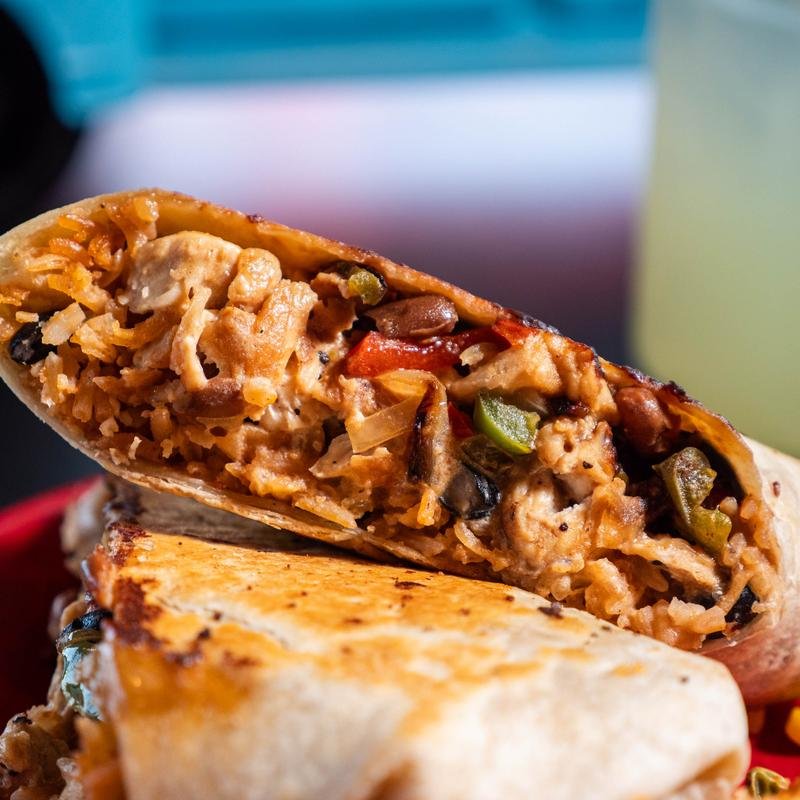
To turn the same roasted base into a thinner sauce for burritos, blend it with a splash of water or broth until pourable, then season with cumin and a pinch of coriander seed.
Storing Your Salsa and Serving It at Home
Store leftover salsa in an airtight container in the refrigerator. It tastes best within a few days, and the flavors often deepen overnight. Stir before serving, since liquid can separate.
Serve it warm or chilled with chips, tacos, or eggs. For a family taco night, set out a small bowl of salsa next to shredded cabbage, cilantro, and lime wedges so everyone can build their own plate.
Want the real thing without the cleanup? Stop by The Corner Kick Cantina, where our scratch kitchen roasts every batch of salsa in-house, and bring your crew for a plate of tacos while you watch the match. Book your table today!
Frequently Asked Questions
How do you make roasted jalapeño salsa?
Roast jalapeños, tomatoes and a little garlic under a broiler until the skins blister and char, then let them cool. Peel the garlic, remove the stems from the peppers, and blend everything with white onion, cilantro, lime juice, salt and a splash of water until you reach the texture you want. Pulse for a chunky salsa or blend longer for a smooth one. Taste, adjust salt and lime, and refrigerate in an airtight container until serving.
Should I roast jalapeños for salsa?
Roasting is worth doing because it softens the flesh, adds smoky sweetness and mellows the sharp, raw bite of fresh peppers. Roasted jalapeños also blend into a deeper, more rounded salsa than raw ones. If you want a bright, crisp salsa for quick serving, you can use raw jalapeños, but expect a sharper flavor and less char. Roasting takes about 10 to 15 minutes under a broiler and gives you the blistered, smoky profile most roasted jalapeño recipes are built around.
Do you leave the seeds in jalapeños when making salsa?
Seeds and the white pepper membranes hold most of the heat, so removing them lowers the spice level without losing the pepper's flavor. Leave them in if you want a hotter salsa. Wear gloves when handling jalapeños and avoid touching your eyes, and wash your hands and cutting board afterward. Start with one pepper, taste, and add more only if you want extra heat, since you can always add heat but cannot take it back out.
How should you store homemade roasted jalapeño salsa?
Store roasted jalapeño salsa in an airtight container in the refrigerator. Keep it cold, close the lid tightly, and use a clean spoon each time you serve it to avoid introducing bacteria. Fresh salsa is best eaten within a few days, and the flavor and texture change as it sits, so taste before serving and adjust lime juice or salt if it has dulled. If you notice off smells, mold or a fermented taste, discard it.