 ultimate-guide
What Is Midwest Mex Cuisine? A 2026 Guide
Table of Contents
- Defining Midwest Mex Cuisine and Its Culinary Identity
- The History of Mexican Food in the Midwest
- Essential Ingredients That Define Midwest Mex Cuisine
- Salsa Profiles, Spice Levels, and the Regional Palate
- Midwexican Recipes: Tacos, Burritos, and Beyond
- Cultural Significance and Community Dining in the Heartland
- Frequently Asked Questions
Defining Midwest Mex Cuisine and Its Culinary Identity
Midwest Mex cuisine is a distinct regional fusion style that blends authentic Mexican flavors with the hearty, comfort-forward sensibilities of the American heartland. At The Corner Kick Cantina, we specialize in this culinary identity, and one thing is clear: this isn't Tex-Mex with a corn belt makeover. It's something genuinely its own.
The defining characteristic is proportion and warmth. Midwest Mex dishes feature generous portions built around staple ingredients reflecting both traditions: slow-braised meats, handmade tortillas from locally sourced yellow maiz, roasted tomatillo salsas, and dried chile profiles that lean earthy rather than fiery. Spice levels are present but calibrated to a regional palate that prizes depth over heat.
This culinary fusion reflects a real cultural intersection rather than a marketing concept. Mexican immigrant communities planted deep roots in the Midwest over several generations, and the food evolved accordingly. Local ingredient sourcing shaped recipes. Community dining habits influenced portion sizes and menu development. The result is a flavor balance that feels both authentic and distinctly regional.
Midwest Mex cuisine is best understood not as a compromise between two traditions but as a third thing entirely: a living culinary heritage with its own logic, its own staple ingredients, and its own gastronomy.
How It Differs from Tex-Mex and Regional Mexican Cooking
The biggest mistake people make is collapsing Midwest Mex into Tex-Mex. They're related, but the lineage diverges significantly.
Tex-Mex, as documented by the Smithsonian Magazine's food history coverage, developed along the Texas-Mexico border and is characterized by heavy cheese use, ground beef, flour tortillas, and chile con carne-style sauces. Midwest Mex reflects a different migration path and agricultural landscape. Corn is central here, not wheat. The tortillas are yellow maiz. Proteins lean toward cuts that suit slow cooking. Salsas tend toward roasted tomatillo and dried chile bases rather than tomato-forward, processed versions. The overall flavor profile is savory and grounded rather than sharp and briny.
Regional Mexican cooking varies enormously by state of origin, Oaxacan mole, Veracruz seafood, Yucatecan marinades are hyper-specific traditions with centuries of local context. Midwest Mex draws from several of these traditions simultaneously, filtered through the practical realities of heartland ingredient sourcing. It's an adapted cuisine, but adaptation means evolved, not inferior.
The History of Mexican Food in the Midwest
Most people assume Mexican food in the Midwest is recent. It isn't. The culinary landscape here has been shaped by Mexican presence for well over a century.
Migration Patterns That Shaped the Regional Palate
The history of Mexican food in the Midwest runs directly through labor migration. Beginning in the early 20th century, Mexican workers arrived in significant numbers to work in meatpacking plants, steel mills, and agricultural operations across Nebraska, Kansas, Iowa, and Illinois. According to the Smithsonian's National Museum of American History on Latino foodways, these communities brought their culinary traditions and adapted them to what was locally available.
Ingredient substitution became not a compromise but a creative act. When specific dried chiles weren't available, cooks found regional alternatives or blended what they could source. When certain cuts of meat were more accessible through meatpacking employment, those cuts became central to the cuisine. Corn, already a crop the Midwest produced abundantly, aligned naturally with masa traditions central to Mexican cooking. The regional palate was shaped by this dialogue between tradition and availability.
The Evolution of Small-Town Mexican Restaurants
The small-town Mexican restaurant is one of the most underappreciated institutions in American gastronomy. Across the Midwest, family-run taquerias and cantinas became community anchors in towns with no other dining options beyond diners and fast food.
Over time, these restaurants developed menus balancing authentic techniques with local expectations. Queso-heavy, Tex-Mex-influenced dishes appeared because customers requested them, while dishes rooted in genuine regional Mexican traditions also held space. The result was menu development driven by real community dining rather than trend cycles. The best restaurants never lost the thread of authentic flavors even as they adapted.
Essential Ingredients That Define Midwest Mex Cuisine
The ingredient list for genuine Midwest Mex cooking is more specific and interesting than most people expect.
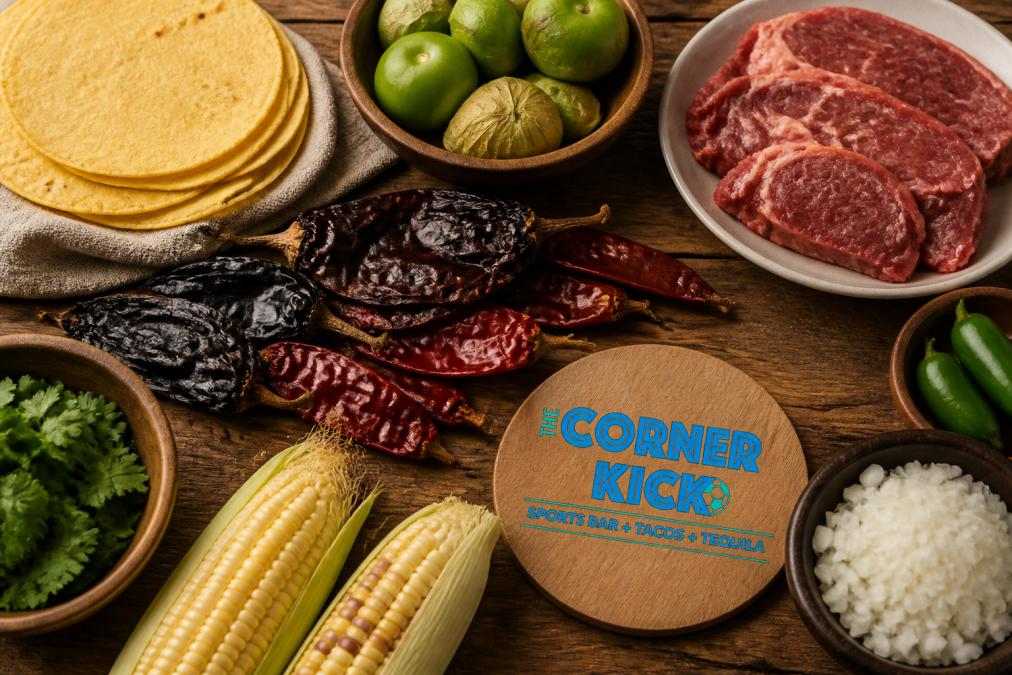
The foundation is corn, specifically yellow maiz tortillas made from masa rather than flour. This single choice signals the difference between Midwest Mex and Tex-Mex more clearly than anything else on the plate. Masa tortillas are denser, earthier, and more structurally capable of holding slow-braised fillings.
Key staple ingredients include:
- Dried chiles (ancho, guajillo, pasilla) for building complex, earthy sauce bases
- Tomatillos for roasted green salsas with brightness and acidity
- Local corn in multiple forms, from tortillas to elote preparations
- All-natural meats slow-braised to develop deep, savory flavor
- Fresh aromatics: white onion, garlic, cilantro, and lime
- Cumin and Mexican oregano as the backbone of taco seasoning blends
The emphasis on all-natural meats reflects both a commitment to authentic flavors and modern awareness of ingredient sourcing that serious Midwest Mex kitchens take seriously.
Ingredient Substitution: Where Heartland Staples Meet Mexican Tradition
When Mexican communities settled in the heartland, they couldn't always source exact ingredients from home. What they did instead was identify functional equivalents based on flavor profile, texture, and cooking behavior. A dried chile unavailable locally might be approximated by blending two more accessible varieties. A specific cut of pork might be replaced by a cut more commonly available through local processors.
This substitution logic wasn't about cutting corners but applied culinary knowledge: understanding what a specific ingredient contributes to a dish and finding the closest regional match. Midwest Mex cooking rewards cooks who understand the why behind traditional techniques, not just the what. Knowing that ancho chiles contribute sweetness and mild heat while guajillo adds brightness and color means you can substitute intelligently.
| Ingredient | Traditional Role | Common Midwest Adaptation |
|---|---|---|
| Ancho chile | Earthy sweetness in sauces | Often combined with guajillo for balance |
| Epazote | Herbal depth in beans | Fresh cilantro and Mexican oregano |
| Lard | Fat base for tortillas and refried beans | Local rendered pork fat or butter |
| Cotija cheese | Salty, crumbly topping | Aged local white cheddar in some regions |
| Tomatillo | Bright acidity in green salsa | Locally grown when in season, canned off-season |
Salsa Profiles, Spice Levels, and the Regional Palate
The salsa reveals Midwest Mex cuisine's character most clearly. Midwest Mex salsa profiles lean toward roasted preparations rather than fresh pico-style salsas. Tomatillos, dried chiles, and roasted garlic are charred or dry-roasted before blending, producing a deeper, more complex flavor base. The result is savory rather than acidic, with a smokiness that complements braised meat fillings. agave spirits explained.
Spice levels in Midwest Mex cooking are calibrated to a regional palate that prefers complexity over raw heat. The heat is built into the dish through layered chile flavors rather than added as a finishing element. According to the Culinary Institute of America's flavor principles resources, layered flavor development through multiple cooking stages is a hallmark of sophisticated regional cuisines worldwide. Midwest Mex exemplifies this approach at the community dining level.
Midwexican Recipes: Tacos, Burritos, and Beyond
Midwexican recipes are the practical expression of everything described above. The taco is the most visible format, but the cuisine extends well beyond it.
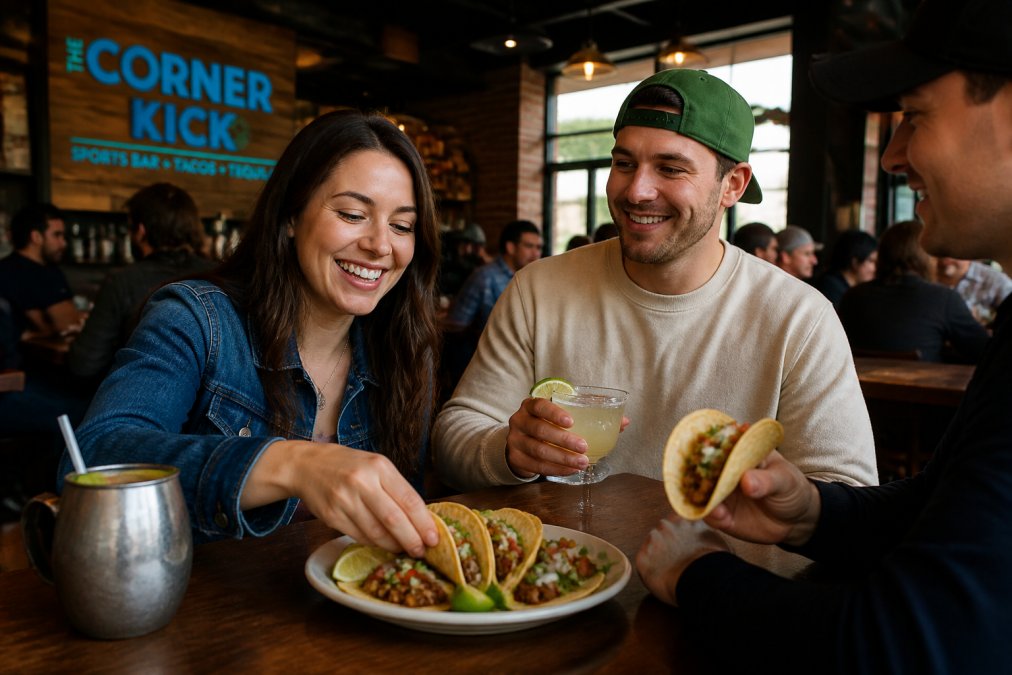
The Midwest Mex taco starts with a yellow maiz tortilla and a slow-braised filling. The most common proteins are beef (chuck or brisket), pork shoulder, and chicken thigh, cuts chosen because slow cooking develops connective tissue into gelatin, creating a rich, savory mouthfeel. Toppings are restrained: fresh white onion, cilantro, lime, and house salsa. No shredded iceberg. No sour cream by default.
The burrito format in Midwest Mex cooking is heartier than its California counterpart, with generous portions reflecting the region's comfort food sensibility. Rice, beans, braised meat, and salsa are standard. Some kitchens use oversized maiz tortillas instead of flour for a more traditional result.
Beyond tacos and burritos, Midwest Mex kitchens often feature elote preparations, birria-style braises adapted to local cuts, chile verde built from roasted tomatillo, and torta-style sandwiches bridging Mexican and American traditions.
Regional Sub-Variations Worth Knowing
Midwest Mex isn't monolithic. The cuisine has developed distinct sub-variations based on which Mexican communities settled where and what local agricultural conditions shaped ingredient availability.
Nebraska and Iowa corridors, heavily influenced by meatpacking industry labor, tend toward beef-forward menus with rich, dark chile sauces. Illinois and Wisconsin variations show more influence from urban Mexican communities with roots in Jalisco and Michoacán, featuring more seafood, lighter salsas, and stronger fresh tortilla traditions. Kansas and Missouri sub-variations sit closest to the Tex-Mex influence corridor, with more flour tortillas, queso-heavy preparations, and slightly hotter spice profiles.
Cultural Significance and Community Dining in the Heartland
Midwest Mex cuisine developed in the context of communities that used food as a primary vehicle for cultural preservation and social cohesion. For Mexican families far from their home regions, the kitchen was where identity was maintained. Recipes were demonstrated, repeated, and passed through practice. Community dining wasn't a marketing concept but survival.
That history gives Midwest Mex cuisine a weight that purely commercial fusion concepts lack. When a small-town cantina has served the same braised beef taco recipe for three generations, that recipe carries cultural memory. The culinary heritage embedded in these dishes is real and specific, not assembled from trend reports.
The concept of small-town hospitality is inseparable from the cuisine. The best Midwest Mex restaurants feel like someone's home. Service is personal. Portions are generous. Atmosphere is built around making people feel welcome rather than impressive.
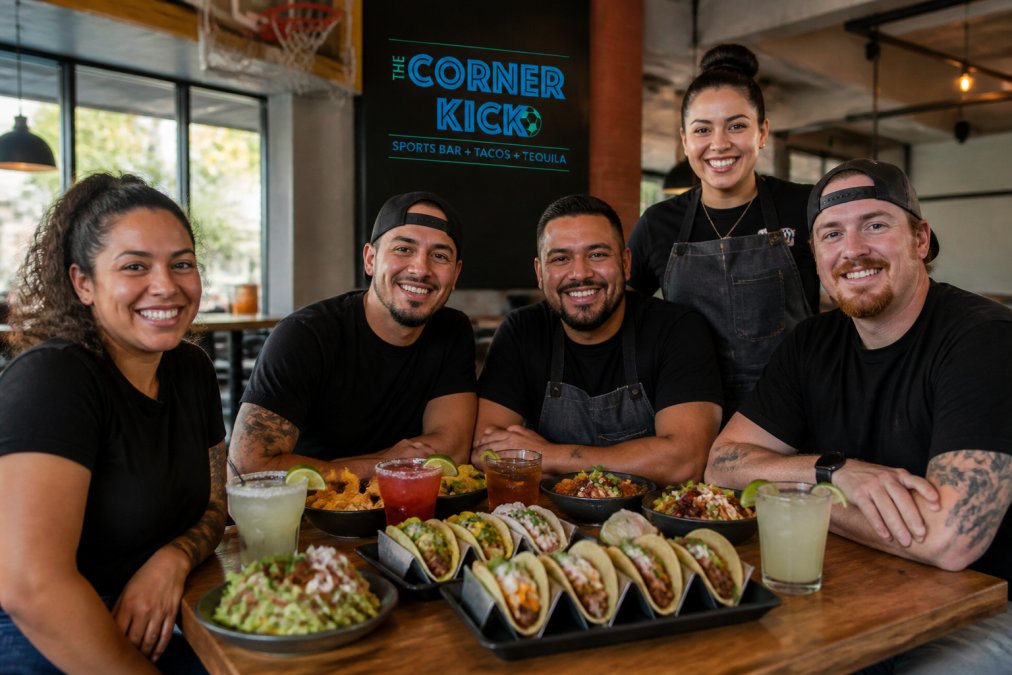
At The Corner Kick Cantina, this is the tradition we're building on. Scratch-made food using all-natural meats and locally made yellow maiz tortillas reflects the culinary standards that made this regional cuisine worth caring about. As documented by the Library of Congress's American Folklife Center on foodways and cultural identity, regional food traditions that develop from genuine community need tend to have greater longevity and cultural significance than those engineered for commercial appeal. Midwest Mex cuisine fits that pattern precisely.
The challenge for anyone who loves this culinary tradition is finding it done right. Too many places gesture at Midwest Mex cuisine without committing to the scratch-made standards and ingredient quality that make it meaningful. The Corner Kick Cantina is built around that commitment: locally made yellow maiz tortillas, all-natural meats, and a scratch kitchen that treats the cuisine with the seriousness it deserves. Whether you're coming in for a quick lunch, a family meal, or a private event, the food is made the same way every time. Book today and taste what Midwest Mex cuisine actually looks like when it's done properly.
Frequently Asked Questions
Q: What defines Midwest Mex cuisine compared to Tex-Mex?
A: Midwest Mex cuisine blends authentic Mexican culinary traditions with the comfort-food sensibilities of the American heartland. Unlike Tex-Mex, which developed along the Texas-Mexico border and leans heavily on yellow cheese, beef, and flour tortillas, Midwest Mex reflects the ingredient sourcing and community dining culture of the Great Plains. Expect heartier portions, locally grown produce, yellow maiz tortillas, and spice levels calibrated to a regional palate that values bold but approachable flavor balance.
Q: Is Midwest Mex considered a form of fusion cooking?
A: Yes, Midwest Mex cuisine is a genuine form of fusion cuisine. It merges traditional Mexican techniques and authentic flavors with the foodways of the Midwest, including locally sourced meats, regional produce, and heartland comfort food traditions. The result is not a diluted version of either cuisine but a distinct culinary identity shaped by decades of cultural intersection, migration, and community dining. Dishes like scratch-made tacos and signature burritos reflect that authentic-versus-adapted balance.
Q: What are the signature ingredients found in Midwest Mex dishes?
A: Midwest Mex cooking centers on staple ingredients from both traditions. Yellow maiz tortillas made from masa are foundational. All-natural meats, locally sourced when possible, provide the protein base. Chiles, tomatillos, cumin, and oregano drive the savory flavor profile on the Mexican side, while heartland staples like sweet corn, robust beans, and seasonal produce add regional character. Queso-heavy preparations and house-made salsas with varied spice levels round out the culinary landscape.
Q: Why is the Midwest seeing a rise in authentic Mexican-inspired eateries?
A: The growth of Mexican-inspired restaurants across the Midwest traces directly to the region's demographic shifts over the past several decades. Mexican and Mexican-American communities established roots in agricultural and meatpacking towns, bringing culinary heritage with them. Over time, those traditions moved from home kitchens into the broader foodways of the region. Today, diners across the heartland actively seek authentic flavors and scratch-made food, pushing restaurants to move beyond generic menus toward genuine Midwest Mex cuisine.