 ultimate-guide
What Are Puffy Tacos: A Complete Guide
Table of Contents
- What Are Puffy Tacos?
- Puffy Taco vs Hard Shell Taco: Key Differences
- How to Make Puffy Taco Dough from Scratch
- The Frying Process: Achieving the Perfect Puff
- Fillings, Toppings, and Authentic Mid-West Mex Cuisine
- Where to Find the Best Puffy Tacos
- Frequently Asked Questions
Last Updated: August 28, 2026
What Are Puffy Tacos?
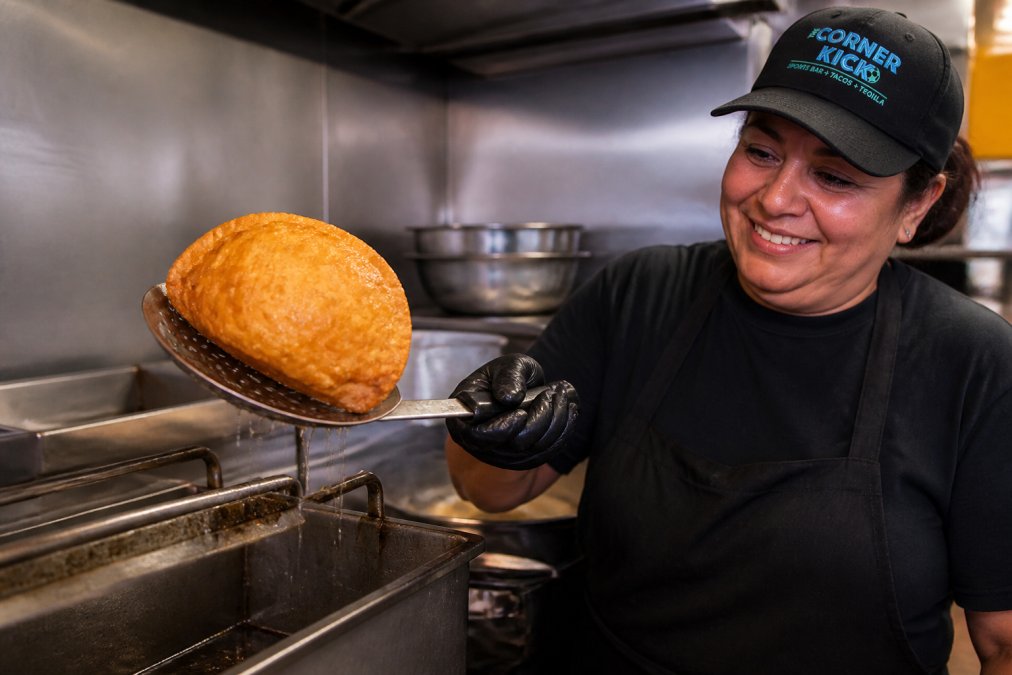
Puffy tacos are a distinctive Mexican-American dish featuring a deep-fried tortilla shell that puffs up during cooking, creating a crispy exterior with a soft, airy interior. Unlike traditional hard shells that shatter when you bite into them, puffy tacos maintain structural integrity while delivering a sopapilla-like texture. The magic happens when masa dough is fried at the right temperature, trapping moisture inside the shell. As the exterior crisps up, steam builds pressure within, creating characteristic air pockets that give the shell its distinctive puff.
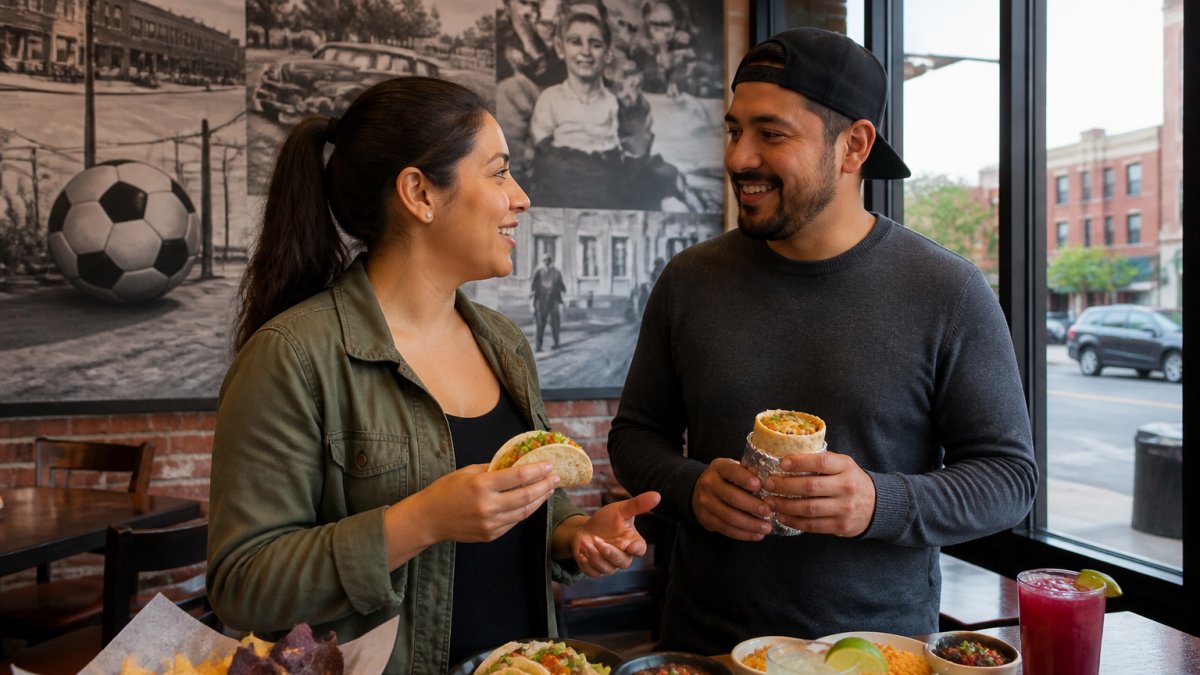
At The Corner Kick Cantina, we've perfected the art of crafting puffy tacos using locally made yellow maiz tortillas and all-natural meats. Whether you're watching the game or enjoying a casual meal, a properly made puffy taco is an experience worth seeking out.
The Sopapilla Texture That Sets Them Apart
The sopapilla texture separates puffy tacos from every other taco variety. This textural contrast, crispy on the outside, tender on the inside, exists because of moisture evaporation during frying. The dough starts with specific hydration. When it hits hot oil, the exterior sets quickly while interior moisture turns to steam, creating air pockets. The result is a shell structurally sound enough to hold fillings without falling apart, yet delicate enough that you don't need force to bite through it.
A hard shell taco is all crunch. A soft flour tortilla is all chew. A puffy taco gives you both: the satisfying snap of a crispy exterior followed by the tender give of the interior. That textural contrast is what keeps people coming back.
Culinary Heritage and San Antonio Roots
Puffy tacos emerged from San Antonio's culinary creativity in the 1950s-1960s when local cooks experimented with frying techniques and dough formulations. San Antonio's food culture has always been about fusion, respecting Mexican culinary traditions while adapting to available ingredients and American tastes. Puffy tacos fit perfectly into that lineage, born from cultural exchange, rooted in specific geography, and refined through generations of cooks who understood both traditions.
Understanding this heritage explains why puffy tacos are prepared the way they are. Every technique, from dough hydration to oil temperature to filling combinations, evolved for practical reasons.
Puffy Taco vs Hard Shell Taco: Key Differences
Texture and Structure
Hard shell tacos use a pre-formed corn tortilla fried until completely rigid. The shell becomes brittle and shatters when you bite into it. Puffy tacos maintain structural integrity while delivering textural variety. The exterior stays crispy, but the interior remains pliable. You can fold a puffy taco slightly without it breaking, meaning fillings stay contained and you get a more controlled eating experience.
The structural difference also affects how fillings interact with the shell. Hard shells shatter under pressure, so wet fillings immediately soak through and compromise the shell. Puffy tacos have enough structural integrity to handle moist fillings without immediate degradation.
Preparation Method and Cooking Time
Hard shell tacos are made by frying a pre-formed tortilla in a specialized mold. Total cook time per shell is roughly 30-45 seconds. Puffy tacos require fresh masa dough, hand-pressing or tortilla press work, and careful monitoring during frying. If the oil is too cool, the shell won't puff. If it's too hot, the exterior burns before the interior cooks. Total time per shell is 2-3 minutes including prep. This is why puffy tacos cost more and take longer, they demand active attention and skill.
How to Make Puffy Taco Dough from Scratch
Essential Ingredients and Dough Consistency
The ingredient list is minimal: masa harina (corn flour), water, and salt. Some recipes include a small amount of baking powder, which aids puffing. The real skill lies in dough consistency.
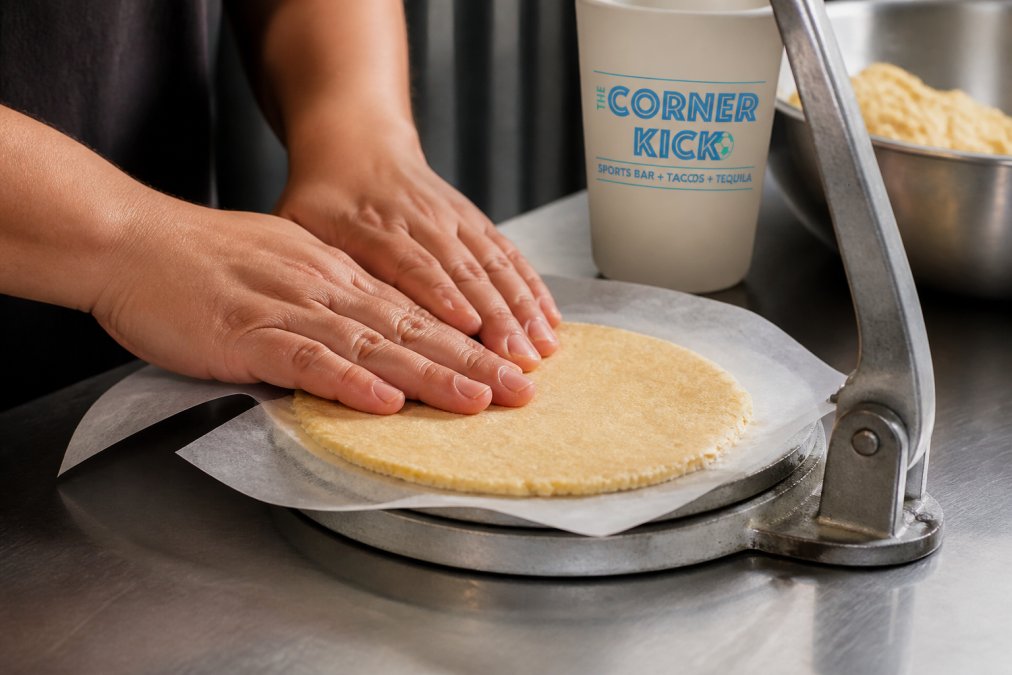
Dough that's too dry will crack when pressed and won't puff properly. Dough that's too wet becomes sticky and fries unevenly. The target consistency is between playdough and cookie dough: moist enough to hold together without being sticky, firm enough to maintain shape under pressure. If the dough sticks to your hands, it's too wet. If it cracks at the edges when pressed, it's too dry.
Step-by-Step Preparation Process
Step 1: Mix the dry ingredients. Combine 2 cups masa harina with 1 teaspoon salt in a large bowl and whisk to distribute salt evenly.
Step 2: Add water gradually. Pour 1.5 cups warm water into the dry mixture while stirring. Add water slowly, some masa harina brands absorb water differently. Stir until the mixture comes together into a cohesive dough.
Step 3: Rest the dough. Let the dough sit for 5-10 minutes. This allows the masa harina to fully hydrate and the dough will firm up slightly.
Step 4: Test the consistency. Take a small handful and press it between your palms. It should hold shape without cracking at the edges. If it cracks, add water a tablespoon at a time. If it's sticky, dust in a bit more masa harina.
Step 5: Prepare for pressing. Divide dough into golf ball-sized portions and cover unused portions with a damp cloth to prevent drying.
Tips for Working with Fresh Masa
Fresh masa dries out quickly once exposed to air. Keep unused dough covered with a damp towel or plastic wrap. Masa temperature matters, cold dough is harder to press and doesn't fry as evenly. If your dough has been refrigerated, let it sit for 15-20 minutes before pressing.
A simple metal tortilla press costs under $20 and transforms consistency of results. Place dough between two pieces of parchment paper before pressing to prevent sticking. Don't overwork the dough, once you've achieved the right consistency, minimal additional mixing is better. unique spice blends.
The Frying Process: Achieving the Perfect Puff
Oil Temperature and Moisture Evaporation
Oil temperature is the single most important variable. The target range is 350-375°F (usda.gov). This temperature is hot enough to set the exterior quickly while allowing interior moisture to turn to steam and create air pockets.
Below 350°F, the exterior doesn't set fast enough and the dough absorbs oil instead of frying. Above 375°F, the exterior browns too quickly before interior moisture has time to escape. Use a reliable thermometer, don't estimate temperature by feel or appearance.
Moisture evaporation is the mechanism behind puffing. When the exterior hits hot oil, it sets almost instantly, trapping interior moisture. That trapped moisture heats up and turns to steam. Steam pressure builds inside the shell. If the exterior is set but still slightly pliable, the steam pushes outward, creating the puff.
Creating Air Pockets and Golden Brown Shells
The golden brown color develops from the Maillard reaction, where proteins and sugars interact under heat, creating brown color and complex flavors (peer-reviewed research). Air pockets form from steam pressure as it pushes against the semi-rigid exterior. Fresh masa has better elasticity than pre-made tortillas, allowing the exterior to expand slightly without tearing.
The frying time is typically 45-60 seconds per shell. The first 15-20 seconds establish the exterior crust. The next 20-30 seconds allow steam to build and puff the shell. The final 10-15 seconds ensure even browning and crisp texture. Watch for visual cues: the shell should bubble and puff visibly. When the puffing slows and the shell is golden brown, it's done. Remove it with tongs and drain on paper towels.
Fillings, Toppings, and Authentic Mid-West Mex Cuisine
Traditional Fillings and Regional Variations
Ground beef is the classic puffy taco filling, seasoned simply with salt, pepper, and sometimes cumin or chili powder. The beef should be cooked until no longer pink, then drained of excess fat. Wet fillings compromise the shell's structural integrity.
Shredded lettuce provides textural contrast and freshness. Diced tomatoes add acidity and brightness. Cheddar cheese is the traditional choice, sharp cheddar works better than mild. Regional variations include jalapeños for heat, cilantro for herbaceous flavor, or sour cream, though it adds moisture that can compromise the shell.
At The Corner Kick Cantina, we use all-natural ground beef and fresh toppings that reflect our commitment to quality ingredients.
Pairing with Sides and Complementary Dishes
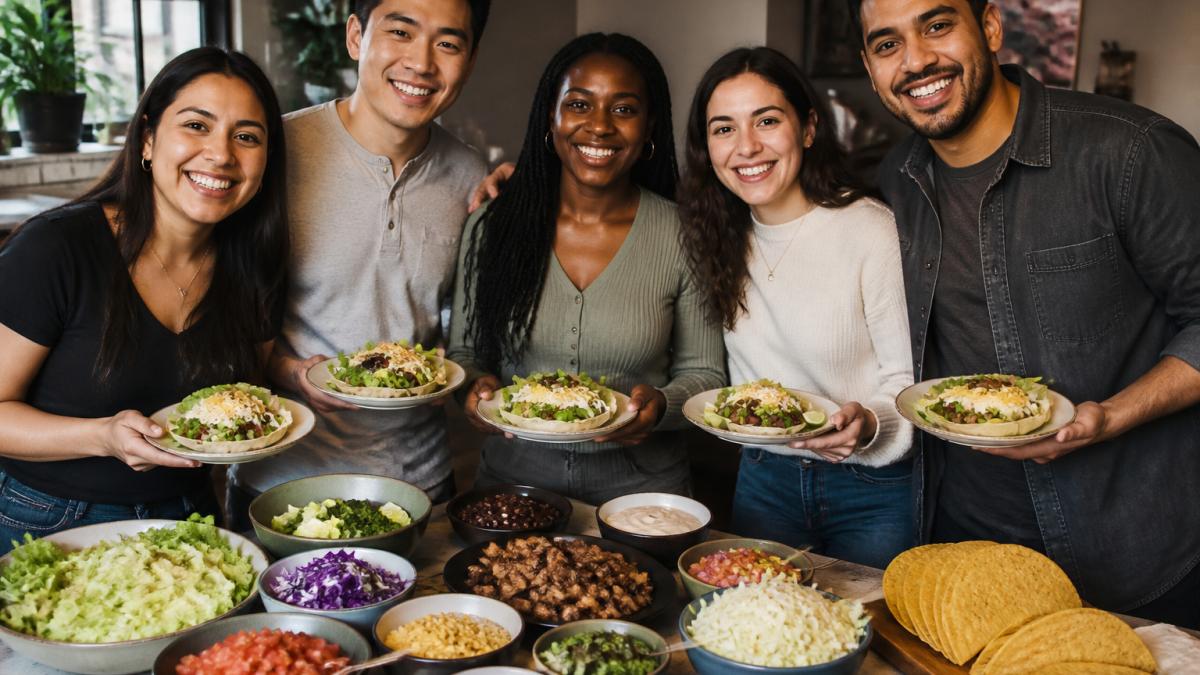
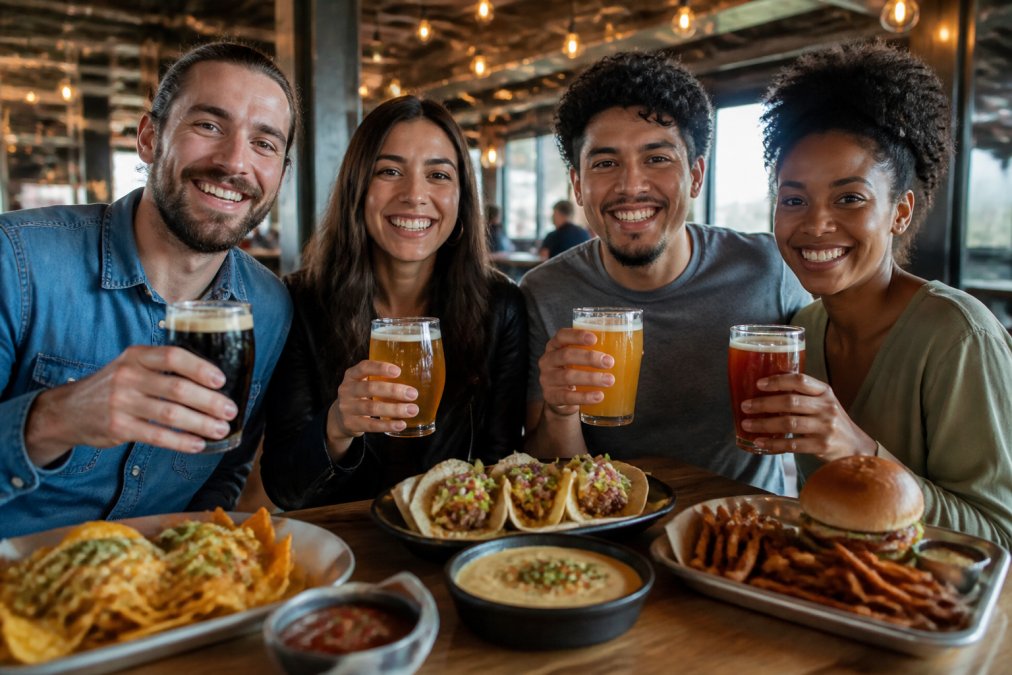
Puffy tacos pair exceptionally well with refried beans or black beans. Spanish rice provides textural variety and balances the savory taco fillings. Fresh pico de gallo salsa adds brightness and acidity. Guacamole or fresh avocado slices complement the fillings beautifully. Lime wedges should always be available to brighten flavors. Cold beer, agua fresca, or fresh limeade work well as beverages.
Where to Find the Best Puffy Tacos
What to Look for in an Authentic Puffy Taco Venue
Authentic puffy taco restaurants make dough fresh, not from pre-made tortillas. This is the most reliable indicator of quality. Look for visible preparation, can you see the kitchen? Can you watch them press and fry tacos? Transparency indicates confidence in their process.
Ask about ingredients. Where does the meat come from? Are the toppings fresh or pre-prepped? Legitimate restaurants can answer these questions without hesitation. The shell itself tells the story: a properly made puffy taco shell has visible air pockets, a golden-brown color, and a slight give when pressed gently. Taste is the final arbiter, a properly made puffy taco has satisfying textural contrast with a crispy but not hard exterior and tender but not mushy interior.
Storage, Reheating, and Making Them at Home
Room temperature is fine for a few hours. For longer storage, refrigeration is necessary in an airtight container. The microwave makes shells soggy (fsis.usda.gov). The oven is better, place tacos on a baking sheet at 350°F for 5-10 minutes to restore some crispness.
The best approach is eating puffy tacos fresh. Making them at home is entirely feasible if you have a tortilla press and reliable thermometer. The process takes practice, but by the third or fourth batch, muscle memory develops and results improve consistently. Home preparation offers advantages: you control ingredient quality, customize fillings, and avoid premium restaurant pricing.
Puffy tacos represent more than just a taco variant, they're a culinary technique that transforms simple ingredients into something texturally complex and genuinely memorable. Understanding the principles behind authentic preparation helps you recognize quality and appreciate the craft involved. At The Corner Kick Cantina, we've dedicated ourselves to perfecting this technique, using fresh masa, all-natural meats, and locally made tortillas to deliver an experience that honors both the culinary heritage and the contemporary palate. Book today and discover why puffy tacos deserve a permanent place in your food rotation.
Frequently Asked Questions
Q: What exactly is a puffy taco?
A: A puffy taco is a fried tortilla shell that puffs up during cooking, creating a crispy exterior with a hollow, airy interior. Made from masa (corn dough), it's hand-pressed and deep-fried in hot oil until air pockets form, giving it a sopapilla-like texture. The shell is then filled with ingredients like ground beef, shredded lettuce, diced tomatoes, and cheddar cheese. This Tex-Mex specialty originated in San Antonio and has become a beloved regional staple across authentic Mexican dining establishments.
Q: Can you make puffy tacos with store-bought tortillas?
A: Store-bought tortillas won't produce authentic puffy tacos because they lack the proper moisture content and dough consistency needed for puffing. Fresh masa or masa harina mixed with water creates the right texture for air pockets to form during frying. Store-bought tortillas are already cooked and dried, so they won't bubble up or develop the characteristic crispy exterior and soft interior. For best results, make puffy taco dough from scratch using traditional masa preparation methods.
Q: How does the texture of a puffy taco differ from a standard hard shell?
A: Puffy tacos have a crispy, hollow exterior with a tender, airy interior thanks to moisture evaporation and air pockets created during deep frying. Hard shell tacos are pre-formed and typically fried flat, resulting in a uniformly dense, brittle shell. The sopapilla-like texture of puffy tacos provides a more delicate bite that contrasts beautifully with fillings, while hard shells offer a more uniform crunch. Puffy tacos require fresh masa and precise oil temperature control, making them a more labor-intensive culinary technique.
Q: What ingredients are typically used to make puffy taco dough?
A: Authentic puffy taco dough requires masa harina (corn flour) or fresh masa, water, and salt. Some recipes include a small amount of baking powder or lard for texture enhancement. The dough consistency is crucial, it should be soft and pliable, similar to Play-Doh, allowing it to be hand-pressed thin enough to puff properly. The ratio of masa to water affects how well the shell bubbles up during frying. Fresh masa produces superior results compared to dried masa harina, offering better moisture content for optimal air pocket formation.