 listicle
Best Vegetarian Protein Options for Taco Bars
Table of Contents
- Why Vegetarian Protein Options Matter for Taco Bars
- Plant-Based Proteins That Deliver Texture and Flavor
- How to Plan a Taco Bar for Parties with Vegetarian Guests
- High Protein Plant-Based Taco Meat and Alternatives
- How to Season Tofu for Tacos and Other Fillings
- High-Protein Taco Toppings and Cost-Per-Serving Analysis
- Frequently Asked Questions
Last Updated: September 20, 2026
Why Vegetarian Protein Options Matter for Taco Bars
Hosting a taco bar used to mean defaulting to meat. But the landscape has shifted. More guests now request plant-based options, whether for dietary choice, health reasons, or genuine preference. The real challenge isn't finding vegetarian proteins anymore. It's finding ones that deliver the texture, flavor, and satisfaction that make tacos memorable.
This is where most hosts stumble. They throw out some black beans and call it done. But the best vegetarian protein taco bars treat plant-based fillings with the same care as any other protein.
The difference comes down to understanding which plant-based proteins actually work for tacos, how to prepare them for maximum impact, and how to build a bar setup that makes everyone feel welcome. A well-executed vegetarian protein taco option isn't a compromise, it's a competitive advantage.
Plant-Based Proteins That Deliver Texture and Flavor
The foundation of any strong vegetarian protein taco bar starts with choosing the right base proteins. Not all plant-based proteins work equally well in tacos. Some fall apart. Others taste flat. The winners deliver both substance and flavor.
Legumes and Beans as Taco Fillings
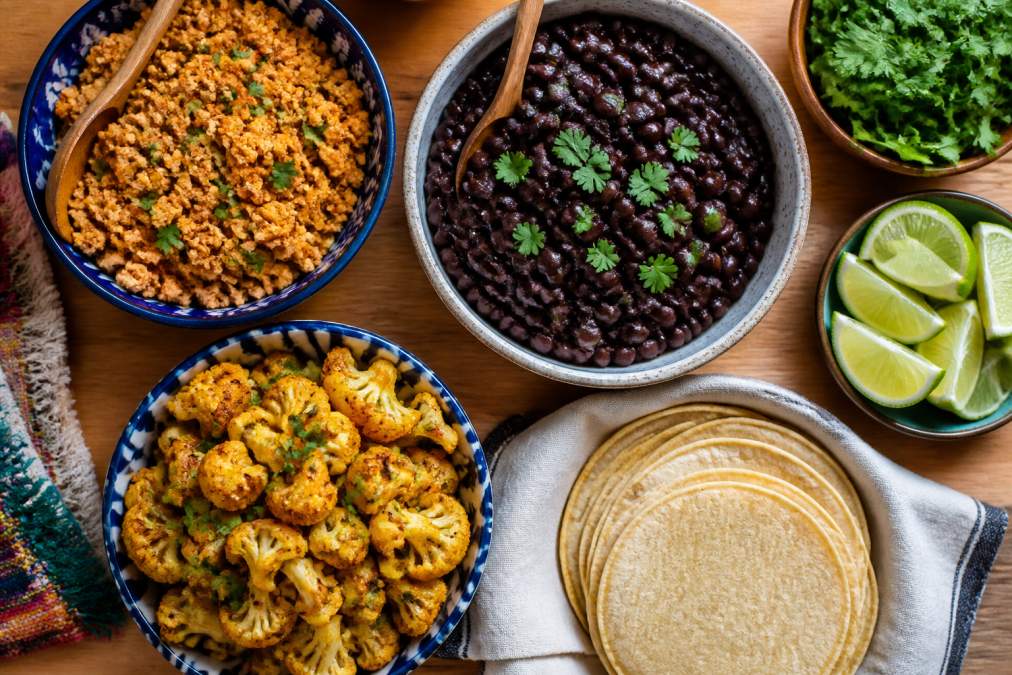
Black beans and chickpeas are the workhorses of plant-based taco fillings. They're affordable, versatile, and deliver real protein and fiber. Black beans in particular offer a rich, earthy flavor that pairs naturally with traditional taco seasonings.
The key is preparation. Canned beans work fine in a pinch, but dried beans cooked fresh taste noticeably better. Simmer them with garlic, onion, and a bay leaf for depth. Once cooked, you can use them whole or mash them partially for a thicker, more substantial texture that mimics ground meat.
Lentils deserve mention here too. Red lentils break down quickly and create a creamy base. Brown or green lentils hold their shape better, giving you more control over texture. A seasoned lentil filling with sautéed vegetables creates surprising depth.
Tofu and Tempeh Preparation Techniques
Tofu intimidates most home cooks. It doesn't have to. The secret is pressing out moisture and treating it like a sponge for flavor. Firm or extra-firm tofu works best for tacos, soft tofu dissolves too easily.
Press your tofu for at least 30 minutes using a tofu press or by wrapping it in a clean kitchen towel and weighing it down. Crumble it into bite-sized pieces. Then sauté it in a hot pan with oil until it develops golden edges. This step matters. It creates texture and allows the tofu to absorb seasoning instead of tasting bland.
Tempeh is tofu's firmer cousin. It has a nuttier flavor and denser texture that many prefer. Tempeh doesn't need pressing, just slice or crumble it and pan-fry until crispy. It handles bold seasonings better than tofu and requires less coaxing to taste good.
Cauliflower and Other Vegetable-Based Options
Cauliflower has become trendy for good reason. Roasted or sautéed cauliflower develops a caramelized exterior and tender interior. Cut it into small florets, toss with oil and spices, then roast at 425°F for 20-25 minutes until the edges brown.
Mushrooms, especially oyster or cremini varieties, offer umami and a meaty bite. Sauté them until they release their moisture, then continue cooking until they begin to caramelize. They shrink considerably, so start with more than you think you need.
Jackfruit has gained attention as a pulled-meat substitute. Young green jackfruit has a shredded texture when cooked that mimics pulled pork. It's neutral in flavor, so seasoning carries everything. It's pricier than beans and less commonly available, but worth trying if your budget allows.
How to Plan a Taco Bar for Parties with Vegetarian Guests
A successful taco bar serves everyone without creating extra work. The setup matters as much as the food itself.
Layout and Station Setup
Organize your taco bar in a logical flow: tortillas first, then proteins, then toppings, then sauces. This prevents bottlenecks and keeps people moving.
Dedicate separate serving spoons for each protein, especially important if you have guests with allergies or dietary restrictions. One spoon for meat, one for beans, one for tofu. This prevents cross-contamination and shows you take dietary needs seriously.
Use small bowls or ramekins for proteins rather than large platters. They heat more evenly and look intentional. Label each option clearly: "Black Beans," "Seasoned Tofu," "Roasted Cauliflower." Many guests appreciate knowing what they're eating.
Keep hot proteins warm in a slow cooker set to low, or reheat them just before serving. Cold tacos disappoint. A small cutting board and knife at the toppings station lets guests customize their experience.
Make-Ahead and Storage Instructions
Prep work is where taco bars live or die. Most components can be prepared a day or two ahead.
Cook beans and lentils up to 3 days in advance. Store them in the refrigerator in their cooking liquid, it keeps them moist. Reheat gently on the stovetop with a splash of water before serving.
Tofu and tempeh can be pressed and cooked the morning of your event. Store them in an airtight container. They'll keep texture better than sitting in liquid.
Vegetables like cauliflower and mushrooms are best cooked the day of, but you can prep and chop them hours ahead. Store cut vegetables in airtight containers to prevent drying.
Toppings like salsa, guacamole, and cheese should stay cold. Prepare them as close to serving time as possible.
High Protein Plant-Based Taco Meat and Alternatives
When people ask for "taco meat" alternatives, they're usually looking for something that mimics ground meat in texture and mouthfeel. Plant-based options deliver this better than you might expect.
Nutritional Profiles and Protein-to-Fiber Ratios
Beans deliver roughly 15 grams of protein per cooked cup, with 12-15 grams of fiber. That's a strong ratio for plant-based eating. Lentils offer similar protein with slightly less fiber.
Allergen-Conscious Protein Swaps
Legumes work for most people, but some guests have sensitivities. Keep a second vegetarian protein option on hand that differs from your primary choice.
How to Season Tofu for Tacos and Other Fillings
Seasoning is where vegetarian proteins transform from forgettable to crave-worthy. The same spices that work for meat work beautifully for plants, sometimes even better because you're not fighting competing flavors.
Essential Seasoning Blends and Flavor Profiles
A basic taco seasoning blend uses cumin, chili powder, garlic powder, onion powder, paprika, and salt. Toast whole spices in a dry pan for 30 seconds before grinding if you have time, it deepens flavor significantly.
Texture-Focused Cooking Methods
Crumbling creates the texture people expect from ground meat. Press and crumble tofu, then sauté it in a hot pan until edges brown. This takes 8-10 minutes but completely changes the eating experience.
High-Protein Taco Toppings and Cost-Per-Serving Analysis
Toppings elevate a taco from simple to special. They also add protein and nutritional balance.
Greek Yogurt, Cheese, and Protein-Rich Additions
Greek yogurt serves as a sour cream alternative with double the protein. A dollop adds creaminess and tanginess without dairy heaviness. Plain Greek yogurt works, but you can also mix in lime juice and cilantro for a quick crema.
Budget-Friendly Combinations
The most cost-effective vegetarian protein taco bar centers on dried beans and legumes. Buy them in bulk, they're inexpensive and shelf-stable. A pound of dried beans costs under two dollars and yields about six cups cooked.
Frequently Asked Questions
What vegetarian protein options provide the most protein for tacos?
Tempeh and tofu lead plant-based choices, offering 19g and 15g of protein per cooked cup respectively. Legumes like lentils and chickpeas deliver 18g and 15g per cooked cup, plus fiber. Quinoa adds 8g per cooked cup with all nine amino acids. For taco bars, layering multiple high-protein options, such as seasoned crumbled tofu paired with black beans and Greek yogurt toppings, maximizes protein density while maintaining variety.
How do I keep vegetarian taco fillings warm during a party?
Use slow cookers or warming trays set to low heat for beans and cooked vegetables. Prepare fillings 30 minutes before guests arrive, then transfer to heated containers. Cover with foil to retain moisture. For tofu and tempeh, keep them in separate warming dishes since they dry out faster than legumes. Refresh toppings every 45 minutes, and store backup portions in the refrigerator to swap in as needed.
What are the best seasonings for plant-based taco fillings?
Cumin, chili powder, garlic powder, and cilantro form the backbone of authentic taco seasoning. Add lime juice for brightness and salt to taste. For tofu specifically, increase garlic and cumin since tofu absorbs flavors readily. Black beans benefit from cumin and a touch of oregano. Cauliflower pairs well with chili powder and lime. Toast spices lightly before mixing to deepen their flavor and make your vegetarian fillings taste as rich as meat-based options.
Can I prepare vegetarian taco fillings ahead of time for a party?
Yes. Cook beans and lentils up to three days ahead and refrigerate in airtight containers. Prepare seasoned tofu and tempeh the morning of your event. Roasted or sautéed vegetables keep well for two days. Store all fillings separately from tortillas and toppings. Reheat gently on the stovetop or in a slow cooker 30 minutes before serving. Fresh toppings like cilantro, lime, and salsa should be added just before guests arrive for maximum flavor and texture.