 listicle
Best Homemade Burrito Sauce Recipes
Table of Contents
- Why Make Homemade Burrito Sauce
- Creamy Burrito Sauce with Sour Cream and Chipotle
- Red Burrito Sauce with Tomato and Spice
- Chipotle Burrito Sauce for Smoky Heat
- Burrito Sauce Without Sour Cream
- Serving, Storage, and Make-Ahead Tips
- Frequently Asked Questions
Last Updated: October 12, 2026
Why Make Homemade Burrito Sauce
Store-bought sauces are loaded with preservatives that flatten the flavor. Homemade lets you adjust as you go: too spicy, add sour cream; not enough kick, add another chipotle pepper.
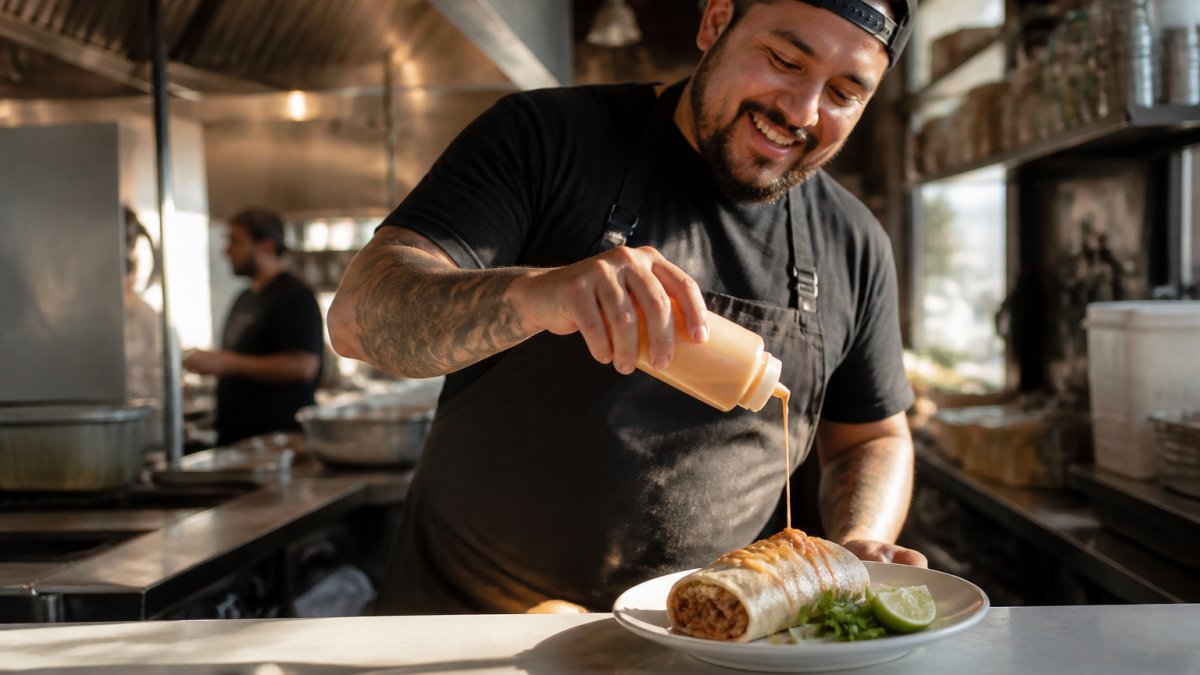
Most of these come together in 10 minutes or less.
Creamy Burrito Sauce with Sour Cream and Chipotle
This sauce works for almost everything: creamy, with real depth from chipotle peppers in adobo, and it pairs with tacos, tostadas, or wet burritos.
Ingredients and Substitutions
The base of this homemade burrito sauce is simple: sour cream, mayonnaise, chipotle peppers in adobo sauce, and lime juice.
Greek yogurt swaps directly for sour cream; for dairy-free, use cashew or coconut cream at the same volume.
The chipotle peppers in adobo bring smoke and heat: one or two for mild, three or four for serious kick.
Lime juice brightens everything and cuts the richness, fresh is better, but bottled works in a pinch.
How to Make It
Add half a teaspoon of cumin, a quarter teaspoon of garlic powder, and a pinch of salt. Blend until smooth, about 30 seconds.
You want it pourable but thick enough to cling to a burrito, thin with water or lime juice, or thicken with sour cream.
This sauce keeps in the refrigerator for up to five days in an airtight container.
Red Burrito Sauce with Tomato and Spice
Not every burrito needs cream. This red sauce brings heat and brightness without dairy, like salsa's sophisticated cousin.
Building the Base
Start with two cans of crushed tomatoes (or fresh), one small onion diced fine, and three cloves of garlic minced.
Soften the onion and garlic for two minutes, fragrant, not brown. Add the tomatoes and a cup of broth; the broth adds body and cuts acidity.
Stir in one tablespoon of chili powder, one teaspoon of cumin, half a teaspoon of smoked paprika, and a quarter teaspoon of cayenne, plus salt and pepper to taste.
Cooking and Adjusting Heat
Simmer 15 to 20 minutes, stirring occasionally, until the flavors meld and the sauce thickens.
Taste after 15 minutes: too mild, add chili powder or cayenne; too hot, add broth or lime juice.
For a smoother texture, blend after it cools slightly; for a chunkier, salsa-like consistency, leave it as is.
This red burrito sauce keeps refrigerated up to a week and freezes beautifully for up to three months.
Chipotle Burrito Sauce for Smoky Heat
If the creamy chipotle sauce is the crowd-pleaser, this one is the specialist. It drops the sour cream, leans harder on the adobo, and adds a toasted-chile step most home versions skip, a darker, smokier sauce that stands up to beef, barbacoa, and grilled chicken.
How This One Differs From the Creamy Version
| Creamy Chipotle (above) | Smoky Chipotle (this recipe) | |
|---|---|---|
| Base | Sour cream + mayonnaise | Mayonnaise + adobo + blended chile |
| Heat level | Mild to medium | Medium to hot |
| Texture | Thick, pourable, coats a spoon | Thinner, glossier, drizzles in ribbons |
| Best with | Chicken, bean, breakfast burritos | Beef, barbacoa, grilled steak, carnitas |
| Dairy | Yes | No (mayonnaise is egg-based, not dairy) |
| Make-ahead | 5 days refrigerated | 7 days refrigerated, freezes well |
If you want one chipotle sauce for everything, make the creamy one. If you want a sauce that tastes like it came off a taqueria line, make this one.
Toasting the Peppers (The Step Everyone Skips)
Pull four peppers from a can of chipotle in adobo and pat them dry, wet peppers steam instead of toast. Reserve the adobo sauce; you'll use about half a cup.
Heat a dry skillet over medium heat and press the peppers flat with a spatula for 30 to 45 seconds per side, until slightly charred and nutty-smoky, not burnt. This deepens the smoke note that defines the sauce.
Blending and Finishing
Roughly chop the toasted peppers (seeds in for full heat, out for tamer) and add to a blender with:
- 1/2 cup adobo sauce from the can
- 1/4 cup mayonnaise
- 2 tablespoons apple cider vinegar (this is the brightness step, lime juice works too, but vinegar holds up better in the fridge)
Blend on high 45 to 60 seconds until smooth. If too thick to drizzle, add water a tablespoon at a time, thin enough to run off a spoon, thick enough to cling to a tortilla.
Taste and adjust: more adobo for smoke, another toasted pepper for heat, a pinch of sugar if the vinegar bites. A 30-minute rest in the fridge mellows the smoke and softens the vinegar.
Heat, Texture, and Best Uses
This lands hotter than the creamy version because there's no dairy to buffer the chile. For a crowd with mixed heat tolerance, keep a bowl of creamy chipotle on the side.
Use it on:
- Smoky beef or barbacoa burritos
- Grilled steak tacos
- Drizzled over a wet burrito right before serving (it thins nicely when warm)
It is not the right sauce for a delicate fish taco or a veggie burrito, the smoke will bury lighter fillings.
Storage and Make-Ahead
Refrigerate in an airtight container up to 7 days, with no dairy, it holds longer than the creamy version and improves on day two. Freeze in ice cube trays (about 4 hours), then transfer cubes to a labeled bag; each cube is roughly 2 tablespoons. Thaw overnight in the fridge or in a small pot over low heat. Thawed sauce keeps 3 days refrigerated.
Burrito Sauce Without Sour Cream
Not everyone can eat dairy, and that shouldn't mean missing out. This version uses cashew cream for richness without the cream.
If you want heat, add one or two chipotle peppers in adobo and blend again.
This dairy-free burrito sauce keeps four days refrigerated.
Canned coconut cream also works, though it tastes noticeably like coconut, great with some fillings, not all.
Serving, Storage, and Make-Ahead Tips
This section compares all four sauces on heat, texture, dairy, storage, and best use, plus the fixes that save a sauce when something goes wrong.
Side-by-Side Comparison of All Four Sauces
| Sauce | Heat | Texture | Dairy | Egg | Vegan option | Fridge life | Freezes? | Best with |
|---|---|---|---|---|---|---|---|---|
| Creamy Chipotle | Mild-medium | Thick, coats spoon | Yes | Yes (mayo) | Yes, swap cashew cream + vegan mayo | 5 days | Yes | Chicken, bean, breakfast burritos |
| Red Tomato | Mild-medium | Medium, pourable | No | No | Already vegan | 7 days | Yes, 3 months | Beef, veggie, wet burritos |
| Smoky Chipotle | Medium-hot | Thin, glossy | No | Yes (mayo) | Yes, swap vegan mayo | 7 days | Yes | Beef, barbacoa, steak tacos |
| Cashew Cream | Adjustable | Thick, pourable | No | No | Already vegan | 4 days | No, texture breaks | Veggie, bean, dairy-free diets |
Choosing a Sauce by Burrito Type
- Breakfast burrito (egg, potato, cheese): Creamy Chipotle. The dairy base plays well with eggs and the mild heat does not overwhelm.
- Bean and veggie burrito: Cashew Cream or Red Tomato. Both are dairy-free and let the beans lead.
- Chicken burrito: Creamy Chipotle or Smoky Chipotle, depending on how much heat you want.
Allergen and Diet Notes
- Dairy-free: Red Tomato, Smoky Chipotle, and Cashew Cream are all dairy-free as written. The Creamy Chipotle needs a cashew cream or coconut cream swap.
- Egg-free: Skip the mayonnaise. Vegan mayonnaise (soy- or aquafaba-based) works in every recipe here. The Red Tomato and Cashew Cream are already egg-free.
- Nut-free: The Cashew Cream is the only nut-based sauce. If you need nut-free and dairy-free, use the Red Tomato or a coconut-cream version of the Creamy Chipotle.
Drizzling, Topping, and Serving
For a wet burrito, pour about 1/4 cup of Red Tomato over the top, then finish with a thin zigzag drizzle of Creamy Chipotle. For tacos and tostadas, a thin line across the top is enough.
For dipping, serve in a small bowl with a spoon so people control their portion. Warm the sauce 20 to 30 seconds in the microwave or a small pot over low heat, warm sauce clings better and tastes more aromatic.
Make-Ahead and Freezing, Recipe by Recipe
- Creamy Chipotle: Make up to 5 days ahead. Freeze in ice cube trays (about 4 hours), transfer to a labeled bag; each cube is roughly 2 tablespoons. Thaw overnight in the fridge or in a small pot over low heat, and use within 3 days.
- Red Tomato: Make up to 7 days ahead, it improves on day two as the spices bloom. Freezes beautifully for up to 3 months; thaw in the fridge overnight or reheat gently on the stove.
- Smoky Chipotle: Make up to 7 days ahead. Freezes well for up to 3 months; the vinegar helps it hold up better than the creamy version.
- Cashew Cream: Best fresh, within 4 days. Do not freeze, the emulsion breaks and turns grainy when thawed. If you make it ahead, blend again for 10 seconds before serving.
Fixing Common Problems
- Too thick: Add water or lime juice a tablespoon at a time; for Red Tomato, a splash of broth works better.
- Too thin: Blend in more sour cream or mayonnaise (creamy versions), or simmer Red Tomato 5 to 10 minutes to reduce.
- Too spicy: Add more sour cream, cashew cream, or lime. A pinch of sugar also takes the edge off.
- Too acidic: A pinch of baking soda (about 1/8 teaspoon) neutralizes acidity fast, add it slowly.
Scaling for a Crowd
All four recipes double and triple cleanly. One adjustment: when scaling Red Tomato, don't double the cayenne, start with 1.5x and taste, since chile heat doesn't scale linearly. For the creamy and cashew sauces, scale everything evenly; the emulsions hold.
Frequently Asked Questions
What is the difference between burrito sauce and enchilada sauce?
Burrito sauce tends to be thicker and creamier, designed to coat the outside of a burrito without soaking through the tortilla. Enchilada sauce is thinner and more liquid, meant to soak into layers of tortillas. Most homemade burrito sauces use sour cream, mayonnaise, or Greek yogurt as a base, while enchilada sauces rely on tomato paste or chiles. Both can use chipotle peppers and similar spices, but consistency and application differ significantly.
Can you make burrito sauce without sour cream?
Yes. Greek yogurt, mayonnaise, or cashew cream work as creamy bases. For a non-dairy option, blend silken tofu with lime juice, garlic, and cumin. Red or tomato-based sauces skip dairy entirely and use vegetable broth, tomato paste, and spices for body. Each substitution changes the flavor and texture slightly, but all deliver satisfying results for burritos, tacos, and tostadas.
How long does homemade burrito sauce last in the refrigerator?
Creamy sauces with sour cream or yogurt keep for 5-7 days when stored in an airtight container. Red tomato-based sauces last 7-10 days. Freezing extends shelf life to 2-3 months. Thaw in the refrigerator overnight and stir well before using. Always check for off odors or mold before serving, and use clean utensils to prevent contamination.
What makes a good homemade burrito sauce?
Balance is key: creamy texture, bold flavor from garlic and spices, and the right heat level. A good sauce clings to the burrito without running off, complements both beef and bean fillings, and enhances rather than overwhelms the tortilla and toppings. Taste as you blend and adjust salt, lime juice, and heat to match your preference. Fresh ingredients and proper seasoning make the difference between bland and restaurant-quality.