 blog
Top Rated Mexican Restaurants for Spicy Food Lovers
Table of Contents
- What Makes a Mexican Restaurant Top Rated for Spicy Food Lovers
- How We Ranked These Spicy Mexican Restaurants
- The Best Tacos for Spicy Food Lovers
- Mexican Hot Sauces and Salsas That Bring the Heat
- How to Order Spicy Food at a Mexican Restaurant
- Tequila and Spicy Food Pairing: A Guide for Heat Seekers
- Where to Find Top Rated Mexican Restaurants for Spicy Food Lovers in Omaha
- Conclusion
- Frequently Asked Questions
Last Updated: October 20, 2026
What Makes a Mexican Restaurant Top Rated for Spicy Food Lovers
A top rated Mexican restaurant for spicy food lovers gets three things right: real heat that builds flavor instead of masking it, a clear heat scale you can actually order from, and fresh chiles rather than a generic shake of cayenne. According to the USDA's guide to chile peppers, capsaicin, the compound behind that burn, varies wildly between pepper varieties, which is why a kitchen that respects heat treats each chile differently.
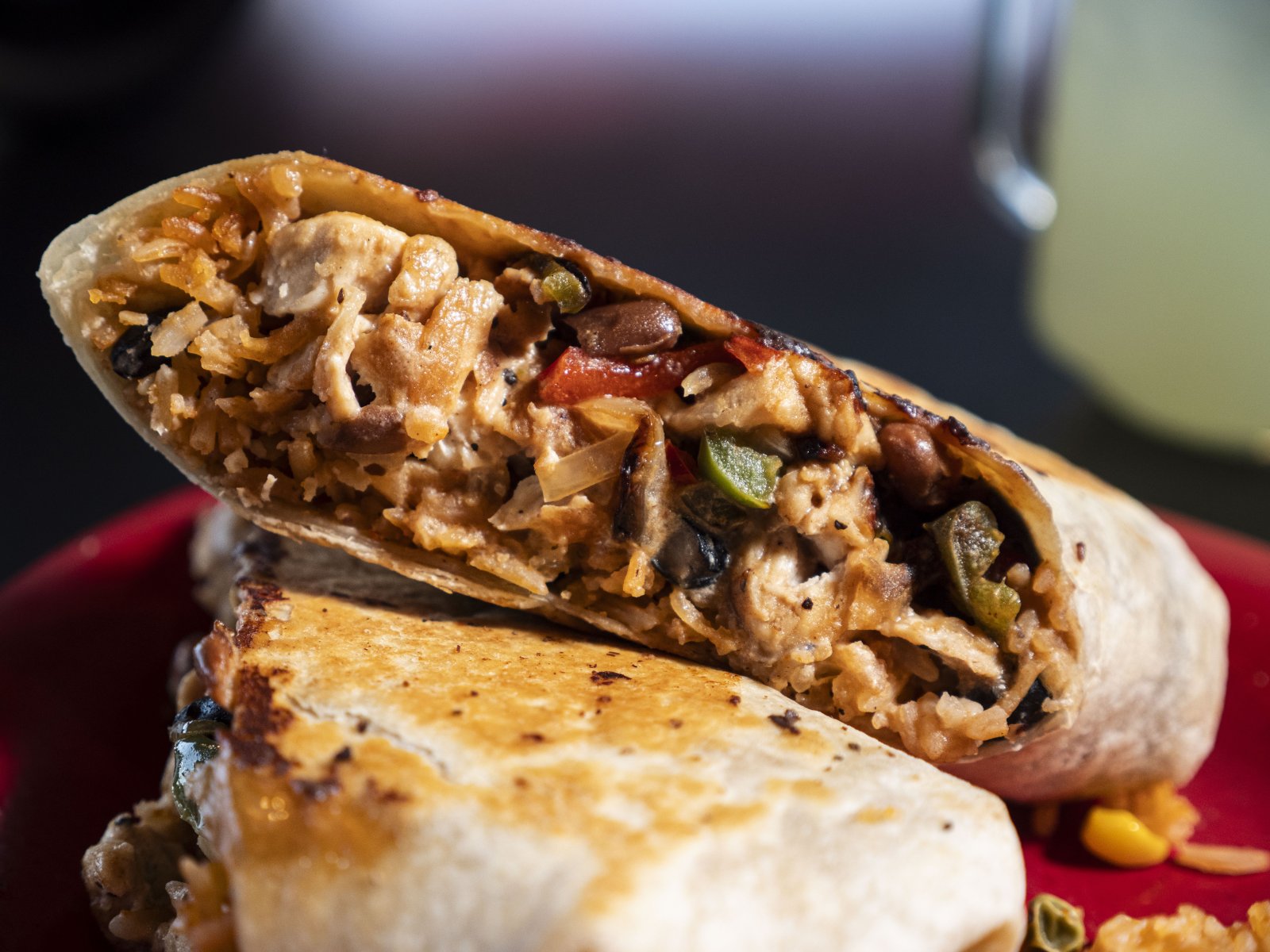
At The Corner Kick Cantina, we build our Mid-West Mex menu around that idea. Heat is a seasoning here, not a dare.
So what separates a genuinely top rated spot from one that just pours on hot sauce? Four things matter most:
- Chile sourcing: fresh jalapeños, serranos, and dried chiles rather than powder from a jar
- Layered heat: spice that arrives with acid, fat, and salt, not on its own
- Honest heat levels: staff who can tell you exactly how hot a dish runs
Most guides rank restaurants by review count alone. That tells you a place is popular. It tells you nothing about whether the food will actually challenge your palate.
How We Ranked These Spicy Mexican Restaurants
We ranked restaurants on four weighted criteria: heat authenticity, salsa and hot sauce range, dish-level heat transparency, and overall food quality. Review scores and customer ratings count, but they sit below the kitchen's actual relationship with chiles.
Here's the framework we'd use to score any spot:
| Criterion | What We Look For | Weight |
|---|---|---|
| Heat authenticity | Fresh and dried chiles, house-made salsa | High |
| Heat transparency | Menu labels or staff who know the scale | High |
| Salsa range | At least three heat tiers, made in-house | Medium |
| Food quality | Scratch cooking, fresh ingredients | High |
| Ratings context | Review volume plus recency | Medium |
One caveat: online ratings reward crowd-pleasers. A restaurant with a mild house salsa can outscore a genuinely fiery kitchen. Read reviews for mentions of heat, not just stars.
A Dish-Level Heat Guide You Can Actually Use
Most guides stop at "spicy" and leave you guessing. Here's how we'd map common dishes and salsas across a heat scale, so you can order with a reference point instead of a dare:
- Mild: pico de gallo, fresh tomatillo salsa, crema-based sauces. Heat comes from a whisper of jalapeño or serrano, not a punch.
- Medium: salsa verde made with roasted serranos, chipotle crema, pickled jalapeños. The burn arrives after a few bites and fades cleanly.
- Hot: salsa roja built on chile de árbol, grilled meats with a chile rub, habanero-forward salsas. Heat builds quickly and lingers.
A common pattern is that kitchens will adjust heat on request, ask for salsa on the side, or request a milder version of a dish. Most will accommodate, but it's worth confirming before you order.
Regional Chile and Salsa Traditions
Chile choice isn't just about heat, it's about flavor. Here's how regional traditions shape what lands on your plate:
- Chile de árbol: small, thin, and nutty. Common in salsa roja and chile oils. Heat is sharp and quick.
- Serrano: brighter and sharper than jalapeño. Often used raw in fresh salsas or roasted for salsa verde.
- Jalapeño: grassy and mild-to-medium. Frequently pickled or grilled, and a common entry point for heat seekers.
Knowing which chile a kitchen favors tells you more about the food than any star rating. A salsa built on chile de árbol will taste different from one built on habanero, even if both are labeled "hot."
Accessibility and Dietary Needs
Spicy food lovers with dietary restrictions shouldn't have to guess. When evaluating a restaurant, we look for:
- Vegetarian and vegan options: chile-forward dishes built on beans, mushrooms, or squash rather than meat.
- Gluten-free awareness: corn tortillas and fresh salsas are often naturally gluten-free, but cross-contact matters.
- Allergy transparency: staff who can speak to what's in a salsa or marinade.
A kitchen that can answer these questions clearly is usually a kitchen that cares about its food. That's the kind of place we'd rank highly.
The Best Tacos for Spicy Food Lovers
The best tacos for spicy food lovers start with a chile-forward protein and a salsa that adds dimension, not just burn. Look for grilled meats with char, fresh cilantro and onion, and a salsa roja or verde made from real chiles.
What makes a taco genuinely hot? The chile, not the toppings. A few markers to look for:
- Salsa roja built on dried chiles like chile de árbol for a sharp, nutty heat
- Salsa verde made from roasted tomatillos and serranos for a brighter burn
- Pickled jalapeños and carrots for acid plus heat
A common mistake is chasing the hottest salsa on the table and ignoring how it's made. Fresh chile flavor fades fast. If the salsa tastes flat and just hot, it's likely built for shelf life, not for you.
Mexican Hot Sauces and Salsas That Bring the Heat
Mexican hot sauces and salsas split into two families: fresh salsas meant to be eaten the day they're made, and fermented or cooked sauces with deeper, slower heat.
Fresh salsas, like a pico de gallo or a raw salsa verde, taste bright and sharp. The FDA's guidance on safe food handling is worth knowing here, since fresh salsas are perishable and quality depends on how they're stored.
A quick heat guide by chile:
- Jalapeño: mild to medium, grassy and bright
- Serrano: medium, sharper and cleaner than jalapeño
- Chile de árbol: hot, nutty, and quick to build
Preparation Styles and What They Mean for Flavor
How a salsa is made matters as much as which chile goes into it. Here's how preparation shapes the final taste:
- Raw (cruda): chiles and tomatoes are chopped fresh, not cooked. Bright, sharp, and best eaten the same day.
- Roasted: chiles and tomatillos are charred before blending. Adds smoke and depth, and softens the raw edge of the chile.
- Boiled: common for salsa roja. Rounds out the heat and brings a softer, more integrated flavor.
A salsa that's roasted will taste different from one that's raw, even if both use the same chile. That's why asking how a salsa is made tells you more than asking how hot it is.
Regional Chile Traditions
Chile traditions vary across Mexico, and that variety shows up on menus here. A few common patterns:
- Northern-style salsas: often built on chile de árbol or dried chiles, with a sharp, nutty heat.
- Coastal-style salsas: frequently use fresh serranos and lime, with a brighter, more acidic burn.
- Yucatán-style salsas: habanero-forward, fruity, and very hot, often paired with citrus.
Knowing which tradition a kitchen leans toward helps you choose based on flavor, not just heat. A habanero salsa from a Yucatán-style kitchen will taste different from a chile de árbol salsa from a northern-style one.
How to Choose Based on Flavor, Not Just Heat
Heat is only one axis. When you're picking a salsa or hot sauce, ask yourself:
- Do I want bright and sharp, or smoky and deep? Fresh salsas lean bright; roasted and fermented ones lean deep.
- Do I want the heat to build slowly or hit quickly? Chile de árbol builds fast; habanero lingers.
- Do I want acid to cut the heat? Lime-forward salsas do this well.
A salsa that tastes like something before it tastes like fire is the one worth ordering. That's the standard we'd hold any kitchen to.
How to Order Spicy Food at a Mexican Restaurant
To order spicy food at a Mexican restaurant, name the heat level you want and ask which dishes are built to deliver it. Specific questions get specific answers, and most kitchens will happily point you to the right plate.
Here's how we'd do it:
- Ask about the house salsa first. It's the clearest signal of how the kitchen thinks about heat.
- Request salsa on the side so you control the pace.
- Name a reference point. "Hotter than a jalapeño, closer to a serrano" lands better than "extra spicy."
- Ask what's fresh that day. Chile-forward specials are usually the best bet.
- Order a cooling side. Crema, cheese, or rice balances the burn.
If you're coming from a mild-only diet, start one tier below what you think you can handle. Heat builds as you eat, and the last taco always tastes hotter than the first.
Tequila and Spicy Food Pairing: A Guide for Heat Seekers
Tequila and spicy food pairing works best when the agave spirit's own character meets the chile's burn. A blanco's bright, peppery edge cuts through salsa heat, while a reposado's vanilla and oak soften a smoky chipotle dish.
The Tequila Regulatory Council's production standards explain why: tequila must be made from blue Weber agave, and the aging process shapes how sweet or sharp the final spirit tastes. That matters when you're matching it to heat.
A simple pairing guide:
- Blanco + fresh salsa: crisp agave notes against bright chile heat
- Reposado + grilled meats: oak and caramel against char and smoke
- Añejo + mole or dark sauces: richness meets richness
Where to Find Top Rated Mexican Restaurants for Spicy Food Lovers in Omaha
The top rated Mexican restaurants for spicy food lovers in Omaha share one trait: kitchens that treat chiles as ingredients, not gimmicks.
The Corner Kick Cantina is our pick for heat seekers who also want a scene. And because we're a sports bar first, there's always a match on while you eat.
What most guides miss is that heat tolerance is personal. A restaurant that ranks high for one diner can feel mild to another.
Conclusion
Finding top rated Mexican restaurants for spicy food lovers comes down to reading the kitchen, not just the reviews. Ask about chiles, taste the salsa tiers, and order with a reference point in mind.
At The Corner Kick Cantina, we've built our Mid-West Mex menu for exactly that kind of eater. Scratch-made tacos, all-natural meats, locally made tortillas, and a curated tequila selection give you plenty to explore, whether you're chasing serious heat or easing in.
Frequently Asked Questions
What Mexican dishes are best for people who like spicy food?
Look for dishes that let you control the heat, like tacos with salsa on the side, enchiladas with chili-based sauces, or grilled meats served with fresh jalapeños. Dishes featuring chorizo, chipotle, or habanero are often the hottest. At a top rated Mexican restaurant, ask which plates use fresh chilies versus powdered spices, since fresh ones tend to deliver a brighter, more intense burn. If you want a guaranteed kick, order a side of house-made salsa and add it gradually.
How can you tell whether a Mexican restaurant's food is genuinely spicy?
Check reviews for specific mentions of heat levels and dishes, not just 'spicy.' Look for phrases like 'authentic heat,' 'made me sweat,' or references to specific peppers. A top rated Mexican restaurant for spicy food lovers will usually list chili varieties on the menu or offer a heat scale. You can also ask your server which salsas are made in-house and how hot they are. If the menu offers a range of salsas from mild to extra hot, that's a good sign the kitchen takes spice seriously.
How do you order a dish with more heat at a Mexican restaurant?
Start by asking your server about the spiciest options and whether the kitchen can adjust the heat. Request extra chili on the side, or ask for a hotter salsa to accompany your meal. If you're ordering tacos, ask for the meat to be cooked with jalapeños or serranos. Many top rated Mexican restaurants for spicy food lovers will happily add heat if you ask. Be clear about your tolerance level so the kitchen can tailor the dish without overwhelming you.
What Mexican foods pair well with spicy salsa?
Spicy salsa pairs well with mild, creamy dishes that balance the heat. Grilled fish tacos, chicken enchiladas with a creamy sauce, or cheese quesadillas are good choices. The fat in cheese and sour cream helps cool the palate. For a classic combo, try chips with fresh salsa or tacos topped with avocado. At a top rated Mexican restaurant, ask for a salsa flight to sample different heat levels alongside your meal. Pair with a refreshing margarita or a crisp beer to tame the burn.