 blog
Budget-Friendly Group Dinner Ideas for Families
Table of Contents
- Why Budget-Friendly Group Dinners Matter for Families
- Cheap Meals for Large Families That Don't Skimp on Taste
- 30-Minute Dinners for Large Families on a Time Crunch
- Family Meal Planning on a Budget: Strategy and Shopping
- Make-Ahead Meals for a Crowd: Batch Cooking and Freezer Strategy
- Scaling Recipes for Your Crowd: Serving Adjustments Made Simple
- Dietary Adaptations Without Extra Cost
- Frequently Asked Questions
Last Updated: October 10, 2026
Why Budget-Friendly Group Dinners Matter for Families
Feeding a large family or group doesn't have to drain your wallet, smart planning and the right dishes make it easy.
The secret to a budget friendly group dinner isn't fancy ingredients or complicated recipes, it's smart planning, strategic shopping, and dishes that naturally scale.
Cheap Meals for Large Families That Don't Skimp on Taste
The best budget friendly group dinner ideas use affordable base ingredients: pasta, beans, potatoes, and chicken. They're inexpensive, filling, and loved by most people.
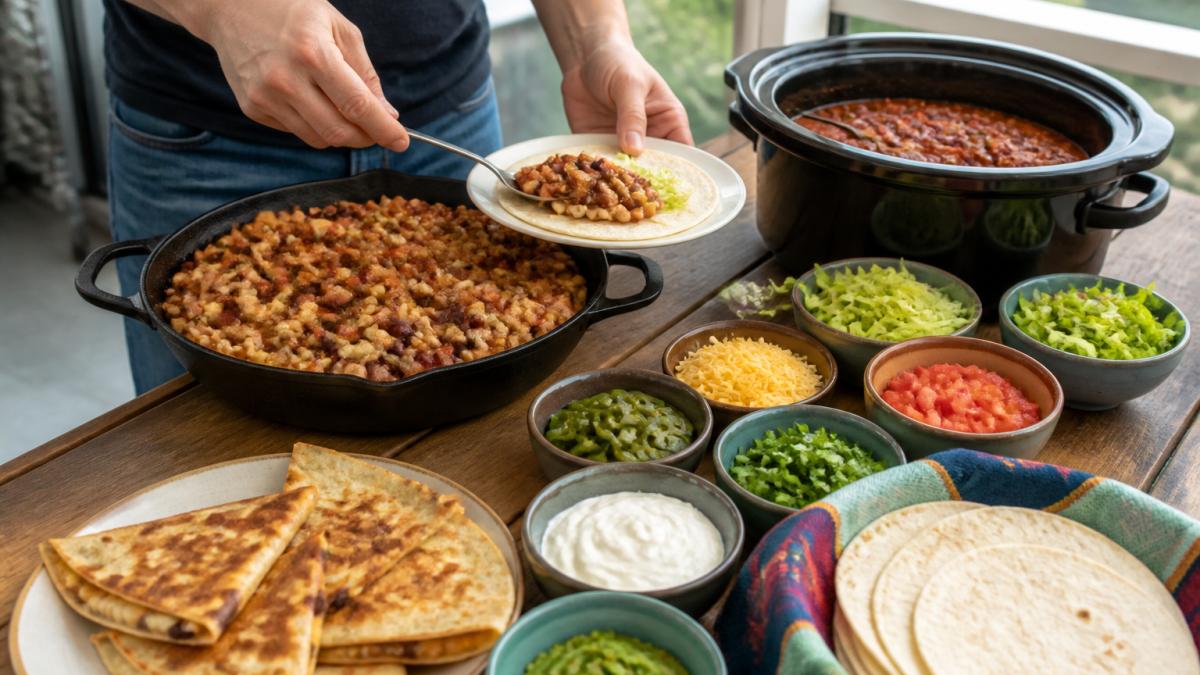
One-Pot Pasta and Bean Skillet
This dish feeds 8-10 people and costs very little. Cook everything in one large skillet or pot.
Here's what you need:
- 2 pounds pasta
- 4 cans beans (black, kidney, or pinto)
- 2 large onions, diced
- 4 cloves garlic, minced
- 2 cans crushed tomatoes
- Salt, pepper, and any spices you have
Sauté the onions and garlic first. Add the beans, tomatoes, and pasta (uncooked). Pour in enough water to cover everything by about an inch. Simmer until the pasta is tender, about 15-20 minutes, stirring occasionally. This meal is hearty, filling, and tastes even better the next day.
Build-Your-Own Taco Night
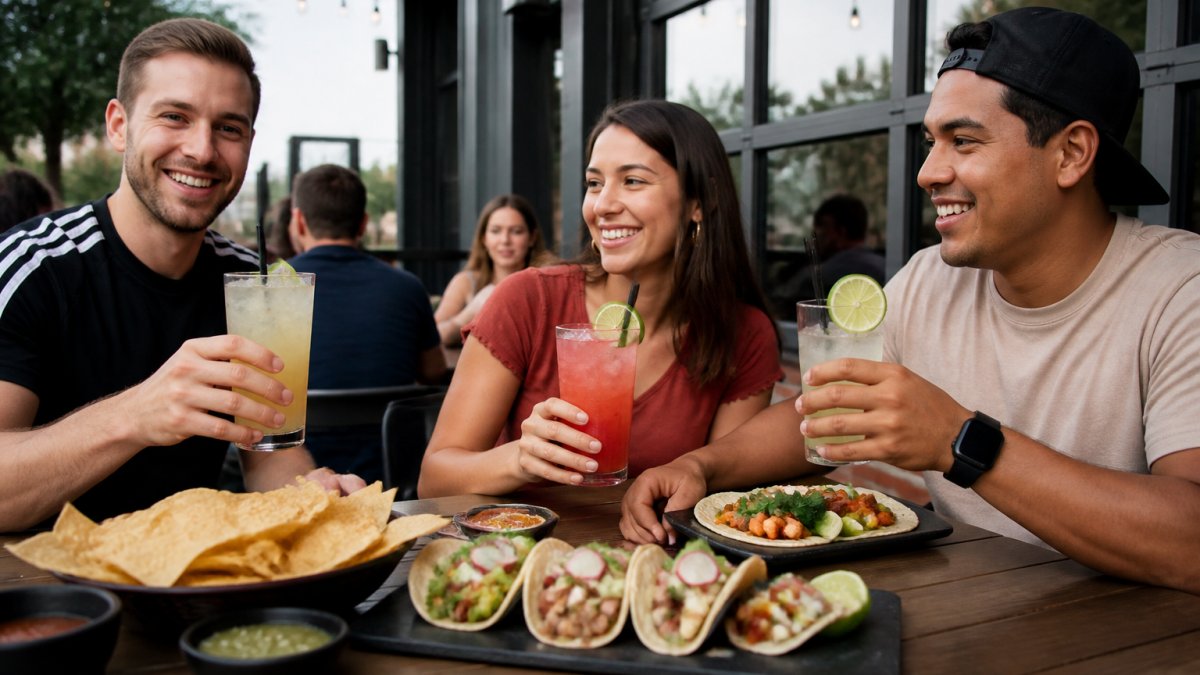
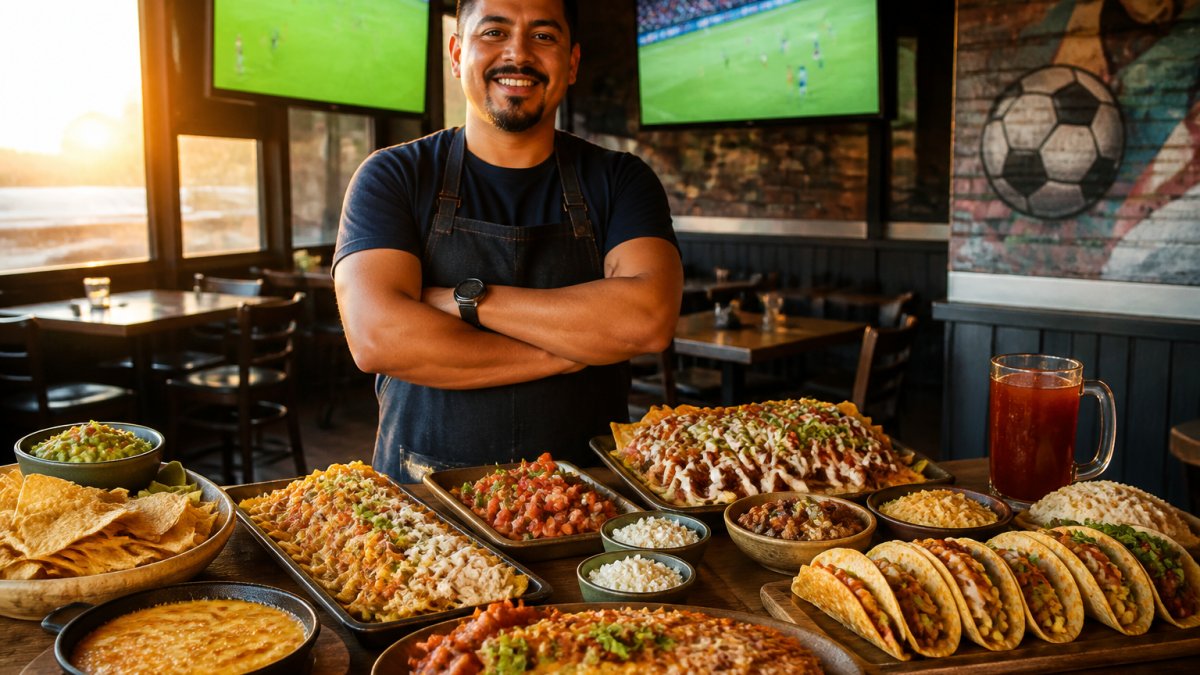
Tacos are perfect for feeding a crowd on a budget. Cook ground beef, ground turkey, or shredded chicken with taco seasoning and set it out with simple toppings:
- Shredded cheese
- Diced tomatoes
- Shredded lettuce
- Salsa
- Sour cream
- Tortillas (flour or corn) Customizing these handheld meals allows for endless variety while keeping the focus on kids parties on a budget.
Everyone builds their own tacos, stretching your protein further. Kids especially enjoy the control.
Slow-Cooker Chili and Baked Potato Bar
A slow cooker is one of the best tools for budget friendly group dinners. Chili simmers all day and pairs perfectly with baked potatoes for a complete, filling meal.
Brown ground beef or turkey in a skillet. Add it to your slow cooker with:
- 4 cans beans
- 2 cans crushed tomatoes
- 1 large onion, diced
- Chili powder, cumin, salt, and pepper
Cook on low for 6-8 hours. About an hour before serving, bake potatoes in the oven.
Set up a toppings bar with shredded cheese, sour cream, green onions, and salsa. People load their potatoes however they like. This setup is flexible, affordable, and feels special without being complicated.
30-Minute Dinners for Large Families on a Time Crunch
Not every meal requires hours of prep. When you're short on time, sheet-pan dinners and assembly-line cooking save the day.
Sheet-Pan Chicken and Roasted Vegetables
Cut chicken breasts into chunks and chop vegetables (potatoes, carrots, bell peppers, zucchini, broccoli). Toss with olive oil, salt, pepper, and garlic powder. Spread on sheet pans in a single layer and roast at 425°F for 20-25 minutes until chicken is cooked through. Serve with rice, bread, or eat plain. This hands-off meal is fast and tastes fresh.
Quick Quesadilla Assembly Line
Lay flour tortillas on a flat surface, spread shredded cheese on one half, add fillings (cooked chicken, black beans, peppers, onions), and fold in half. Cook in a large skillet over medium heat until golden and crispy on both sides, about 2-3 minutes per side. Serve with salsa, sour cream, and guacamole. This meal feels special but takes almost no time.
Family Meal Planning on a Budget: Strategy and Shopping
Smart planning turns a budget friendly group dinner from stressful to simple. The key is knowing what you'll spend per person and building a shopping list that avoids waste.
Build Your Pantry Staples
Keep these staples on hand: dried pasta, rice, canned beans, canned tomatoes, olive oil, garlic, onions, salt, pepper, and basic spices. Add whatever your family loves most, tortillas and cheese for quesadillas, or ground meat for tacos.
Calculate Per-Serving Costs to Stay Accountable
Track the actual cost of ingredients so you know what you're spending per person. Prices vary by region and store, so calculate based on what you pay locally.
Create a Master Shopping List to Reduce Waste
Plan three to four dinners for the week and buy all ingredients together. This reduces impulse purchases and lets you spot overlapping ingredients, buy onions, garlic, canned tomatoes, and beans once instead of three separate trips.
Group your list by store section:
- Produce: onions, garlic, potatoes, peppers, tomatoes
- Proteins: ground beef or turkey (buy on sale, freeze extra)
- Pantry: pasta, rice, canned beans, canned tomatoes, oil
- Dairy: cheese, sour cream
- Frozen/Other: tortillas, bread
Check what you already have before shopping. Cross off pantry staples you don't need. This simple step prevents buying duplicates and keeps your total spend predictable.
Plan Around Sales and Seasonal Produce
Pay attention to sales and seasonal produce. Seasonal vegetables cost less and taste better. Build meals around what's affordable now. Buy protein on sale and freeze it, this strategy cuts overall food costs significantly over time.
Make-Ahead Meals for a Crowd: Batch Cooking and Freezer Strategy
The best budget friendly group dinner ideas are ones you prepare when you have time, not when guests are arriving.
Freezer-Friendly Casseroles and Soups
Make soups and casseroles in large batches and freeze in portions. Vegetable soup, chicken and rice soup, bean soup, baked pasta, and enchiladas all freeze well. Assemble casseroles unbaked, freeze, then bake fresh when needed. This saves time on busy days.
Prepping Components on Weekends
Prep ingredients on weekends: cook rice, chop vegetables, brown meat, and cook beans. During the week, these components become different meals, tacos Monday, burrito bowls Wednesday, skillet dinners Friday. One prep session feeds your family all week with minimal effort each night.
Scaling Recipes for Your Crowd: Serving Adjustments Made Simple
Recipes for four people need adjustment for twelve or more. Knowing how to scale is essential for budget friendly group dinners.
Linear Scaling: The Foundation
Most recipes scale linearly. If a recipe serves four and you need to serve twelve, multiply everything by three. This straightforward approach works for most one-pot meals, casseroles, and soups.
Non-Linear Ingredients: Spices, Salt, and Seasonings
Some things don't scale proportionally. Spices, salt, and seasonings need less multiplying than other ingredients because their flavor compounds are concentrated.
The Rule: Use 75% of the multiplied amount for seasonings, then taste and adjust.
Example:
- Original recipe (serves 4) calls for 1 teaspoon salt and 1 tablespoon chili powder
- For 12 people (multiply by 3): You'd normally use 3 teaspoons salt and 3 tablespoons chili powder
- Instead, use 2.25 teaspoons salt and 2.25 tablespoons chili powder, then taste
- Add more if needed, but start conservative, you can always add more seasoning, but you can't remove it
This applies to:
- Salt and pepper
- Garlic powder, onion powder, cumin, chili powder
- Hot sauce, soy sauce, Worcestershire sauce
- Vinegar and citrus juice
Fresh garlic and onions, by contrast, scale linearly. If a recipe calls for 2 cloves garlic for four people, use 6 cloves for twelve.
Cooking Time: Volume Changes Everything
Cooking time increases with volume, but not proportionally. A skillet that cooks in 15 minutes for four people might need 20-25 minutes for twelve because heat penetrates more slowly through larger quantities.
Sheet-Pan Chicken and Roasted Vegetables Example:
- For 4 people: 4 chicken breasts on one sheet pan, roast at 425°F for 20-25 minutes
- For 12 people: 12 chicken breasts on two or three sheet pans, roast at 425°F for 25-30 minutes (not 60 minutes)
The key: use multiple pans instead of stacking food. Food cooks faster when it has space and direct heat exposure.
Slow-Cooker Scaling:
- Slow cookers don't scale as easily because they have fixed capacity
- A 6-quart slow cooker holds enough for 8-10 people
- For 12+ people, use two slow cookers or cook in batches
- Cooking time stays the same (6-8 hours on low) because the appliance's heating element doesn't change
Stovetop and Oven Scaling:
- Stovetop meals (pasta, skillet dinners) need 5-10 extra minutes for larger volumes
- Oven meals (casseroles, sheet-pan dinners) need 5-15 extra minutes depending on depth and density
- Use visual cues instead of relying solely on time: Chicken is done when it's no longer pink inside. Vegetables are tender when a fork pierces them easily. Pasta is done when it bends without snapping.
Equipment Matters When Scaling
You can't cook 12 servings in a 10-inch skillet. Scaling requires the right tools.
For 8-10 people:
- One large pot (8-quart capacity) for pasta or soup
- One large skillet (12-inch) or two standard skillets
- One or two sheet pans (18 × 13 inches)
- One 6-quart slow cooker
For 12-16 people:
- Two large pots or one very large stockpot (12-quart)
- Two large skillets or a griddle
- Two to three sheet pans
- Two slow cookers or one very large one (8-quart)
For 16+ people:
- Consider batch cooking (make two batches of the same meal) or using a slow cooker and a stovetop meal simultaneously
- Batch cooking often takes less total time than trying to cook everything at once in undersized equipment
Adjusting Liquid in Scaled Recipes
Liquid doesn't always scale linearly because some evaporates during cooking.
For soups and stews: Scale liquid to 90% of the multiplied amount. If a recipe for four calls for 4 cups broth and you're serving twelve (multiply by 3), use 10.5 cups broth instead of 12 cups.
For pasta dishes: Scale water to match the pasta amount.
For baked dishes: Scale liquids fully. Casseroles and baked pasta need the moisture they're designed for, or they'll dry out.
Dietary Adaptations Without Extra Cost
Feeding a diverse group means accommodating different diets. The good news: budget friendly group dinners can include everyone without added expense.
Build meals around components people can customize. A taco bar works for vegetarians, meat eaters, and people avoiding certain ingredients. Everyone eats what works for them.
Offer simple substitutions:
- Use beans instead of meat for vegetarians
- Serve rice or potatoes alongside for people avoiding grains
- Skip cheese or use dairy-free options for people who need it
These adaptations cost almost nothing. A can of beans costs less than meat. Rice and potatoes are already cheap. Offering choices doesn't require a separate menu or expensive alternatives.
Feeding a large family or group on a budget is completely possible when you plan smart and choose the right dishes.
Frequently Asked Questions
How can I feed a large family on a small budget?
Focus on affordable staples like dried beans, pasta, rice, and eggs that stretch across multiple servings. Buy proteins on sale and freeze them, use seasonal vegetables, and batch-cook meals you can portion and freeze. One-pot dishes and slow-cooker meals reduce waste and fuel costs. Plan your week around what's on sale rather than shopping without a list. These strategies let you serve a crowd without overspending.
What are the best make-ahead meals for a group?
Soups, chilis, casseroles, and stews freeze beautifully and reheat well. Prepare these on weekends and portion into containers for quick weeknight dinners. Pulled pork, braised chicken, and slow-cooker beans also work well ahead of time. You can also prep components separately, cook grains, chop vegetables, cook proteins, then assemble meals quickly during the week. This approach saves time and reduces stress when feeding a large family.
How do I scale recipes to feed more people without wasting food?
Use a simple multiplier: if a recipe serves 4 and you need to feed 8, double each ingredient. For larger groups, write out the scaled quantities to avoid mistakes. Test the recipe at the new size once if it's complex. For dishes like tacos, chili, or pasta, scaling is straightforward. For baked goods or dishes with chemical reactions, research how others have scaled them. Start with recipes designed for crowds rather than trying to multiply delicate dishes.
What inexpensive meals can I make ahead for a group?
Lasagna, enchiladas, baked ziti, chili, and hearty soups are all budget-friendly and freeze well. Slow-cooker pulled pork, chicken, or beans also work great for groups. Frittatas and breakfast-for-dinner options like baked potato bars are filling and affordable. Prepare these dishes fully, cool completely, then freeze in portions. Most keep 2-3 months frozen. Reheat in the oven or slow cooker without thawing for best results. This approach lets you serve quality meals without last-minute cooking stress.