 listicle
Is Birria Taco Meat Worth the Hype? Our Honest Take
Table of Contents
- What Makes Birria Taco Meat Different?
- The Flavor and Texture: A Taste Test Breakdown
- What Cut of Meat Is Best for Birria?
- How to Serve Birria Tacos with Consommé
- Is Birria Taco Meat Worth the Price?
- The Verdict: Hype or Must-Try?
- Frequently Asked Questions
Last Updated: September 7, 2026
Birria taco meat has become one of the most talked-about culinary trends in recent years, with social media feeds flooded by glossy shots of tacos being dragged through a deep red consommé. The question of whether birria taco meat is worth the hype is one we take seriously in our scratch kitchen at The Corner Kick Cantina, where we specialize in 'Mid-West Mex' cuisine. The short answer is yes, but only when it is made the right way, with the right cut of meat and a consommé that does the heavy lifting. Below, we break down what separates a genuinely memorable birria from a pale imitation, so you know exactly what to look for.
What Makes Birria Taco Meat Different?
Most taco fillings rely on a quick sear and a hot griddle, but birria is a complete departure from that approach. Birria taco meat is defined by a slow braising process that transforms tough cuts into shredded beef that is impossibly tender and saturated with aromatic spices.
The preparation starts with a marinade built from dried chiles, vinegar, and a blend of spices that includes cumin, cloves, and oregano. After marinating, the meat cooks low and slow until it falls apart at the slightest touch. This method is a culinary technique rooted in the Mexican state of Jalisco, where birria was traditionally made with goat before beef became the standard in northern Mexico and the United States.
What you end up with is a filling that carries a deep, savory richness with a subtle kick of heat. The flavor profile is complex, layering smoky chiles with the natural sweetness of the braised meat. It is not a taco you eat quickly; it demands attention.
The Flavor and Texture: A Taste Test Breakdown
The most honest way to evaluate birria is to separate the flavor from the texture, because each delivers a distinct experience. The shredded beef itself is savory and deeply spiced, carrying an umami punch that comes from hours of gentle cooking in a concentrated broth.
The texture is where birria earns its reputation. The meat is tender to the point of melting, yet it retains a slight structural integrity that prevents it from becoming mushy. When crisped on a griddled tortilla, the edges develop a crunchy contrast against the soft interior, and the melted cheese binds it all together.
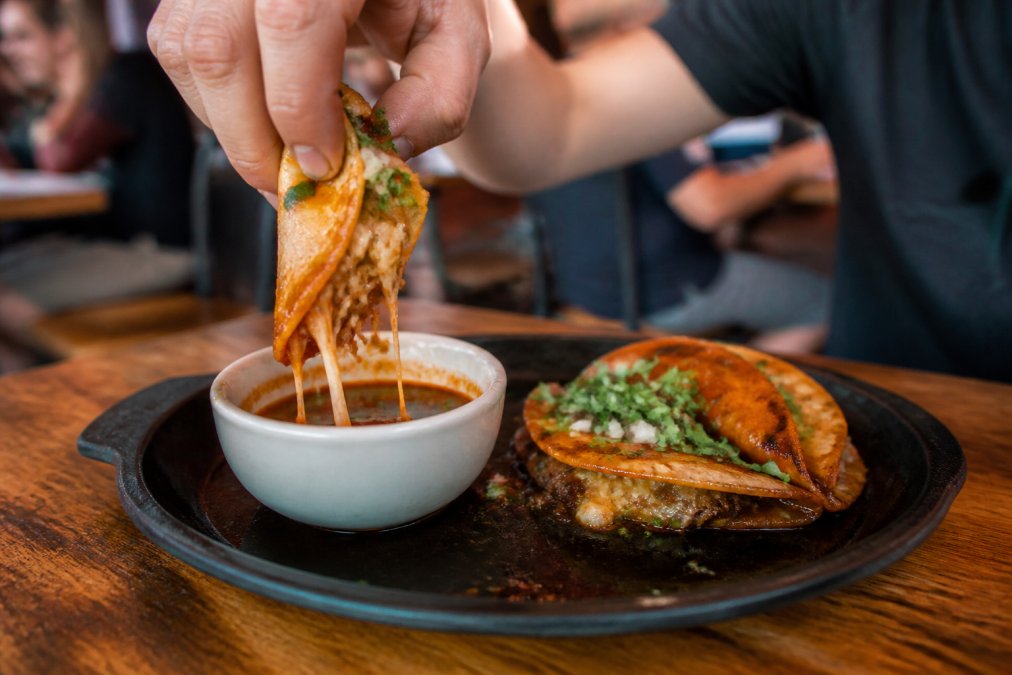
A common mistake is judging birria without the consommé, which is the dipping sauce that completes the dish. The consommé is a thin, red broth that carries the concentrated essence of the chiles and spices. Dipping the crispy taco into the consommé softens the tortilla just enough while adding a layer of juicy, savory liquid that elevates every bite. Without it, the taco is good; with it, the taco becomes a viral sensation for a reason.
What Cut of Meat Is Best for Birria?
For the richest result, the best cut of meat for birria is one with significant fat content and connective tissue, which breaks down during the long cooking process. Chuck roast is the most common choice because it balances flavor, fat, and affordability.
- Chuck roast: High fat content keeps the meat moist and flavorful through hours of braising.
- Beef short ribs: More expensive but delivers a deeper, beefier flavor and extra richness.
- Beef shank: Adds gelatin to the broth, which gives the consommé a silky mouthfeel.
The fat content is not a flaw; it is the engine of the dish. As the meat braises, the fat renders into the broth, which is why the consommé has that glossy sheen. Lean cuts like sirloin will produce dry, stringy meat that lacks the luxurious texture birria is known for.
How to Serve Birria Tacos with Consommé
Serving birria properly is about honoring the contrast between crispy and soft, which means the assembly matters as much as the meat. How to serve birria tacos with consommé starts with warming the tortillas on a griddle until they are pliable, then dipping each tortilla into the hot consommé before filling.
The standard method is straightforward:
- Dip a corn tortilla into the consommé to soften it.
- Place it on a hot griddle and add shredded birria meat and cheese.
- Fold the tortilla and cook until the cheese melts and the exterior crisps.
- Serve with a small bowl of consommé for dipping on the side. gourmet hot honey.
The consommé should be served hot and seasoned with salt, as it is the primary vehicle for the dish's flavor (seriouseats.com). Many cooks add chopped white onion and fresh cilantro to the tacos for brightness, which cuts through the richness of the meat. For those who want more heat, a squeeze of lime and a spoonful of salsa roja works well.
Is Birria Taco Meat Worth the Price?
Most articles tell you birria is worth it because it tastes good. That is not a cost-benefit analysis; it is an opinion. To decide if birria taco meat is worth the price, you need to compare the actual dollars and hours spent against what you get in return, both at a restaurant and in your own kitchen.
The Restaurant Price Check
At a restaurant, birria tacos often include a side of consommé. A three-taco plate with rice and beans is a common offering (eater.com). Compare that to a standard carne asada or al pastor taco, and you may find a premium for birria. What does that premium buy you? In a properly run kitchen, it buys time. A true birria braise runs for several hours, often overnight in the marinade. That labor and fuel cost is baked into the menu price.
A red flag: if a restaurant sells birria tacos for the same price as its regular tacos, something is being cut. The most common corner cut is the consommé, which gets thinned with beef stock or water instead of being the concentrated braising liquid. A thin, salty consommé is the clearest sign you are paying for the trend, not the technique.
The Home Kitchen Math
Making birria from scratch at home is a weekend project, not a weeknight dinner. Here is the realistic breakdown for a batch that serves 6 to 8 people:
- Meat: 4 to 5 pounds of chuck roast.
- Dried chiles: A blend of guajillo, ancho, and chiles de árbol.
- Produce and spices: Onions, garlic, vinegar, cumin, oregano, and bay leaves.
- Tortillas and cheese: 24 to 30 corn tortillas, plus a block of Oaxaca or mozzarella.
That per-taco cost beats most restaurants, but it ignores the labor. Between marinating, searing, braising, shredding, and assembling, you are looking at several hours of active and passive time.
When the Math Flips
The home batch becomes the better deal under two conditions. First, if you freeze the consommé and leftover meat, you stretch the batch into 2 to 3 additional meals, dropping the effective per-meal cost to $15 or less. Second, if you are feeding a crowd, the economies of scale kick in hard. A 5-pound batch can feed a group of people.
The honest verdict: at a restaurant, birria is worth trying once to establish a baseline, but the premium is only justified if the consommé is clearly house-made from the braising liquid. At home, the cost per taco is competitive, but only if you value the process or plan to repurpose the leftovers. If you just want a quick taco fix, cheaper options deliver 80% of the satisfaction for half the price.
The Verdict: Hype or Must-Try?
The verdict depends on which birria you are eating. There are two versions of this dish circulating in the United States, and they are not the same thing. The first is the traditional birria from Jalisco, made with goat, braised for hours, and served as a stew or in tacos with a consommé that is the soul of the dish. The second is the Americanized beef birria taco that exploded on social media around 2019 and 2020, which swaps goat for chuck roast, adds melted cheese as a default, and treats the consommé as a dipping sauce rather than the main event (nytimes.com).
Neither version is inherently bad. But conflating them is where the hype goes wrong. The viral version is a hybrid, born from the need to make the dish more approachable and affordable for a broader audience. Beef is cheaper and more familiar than goat in most of the United States, and cheese helps sell any taco to a crowd that grew up on Tex-Mex. That adaptation is not a betrayal; it is how food evolves. But it is a different product with a different cost structure and a different flavor profile.
What the Hype Gets Right
The hype is justified when the core technique is respected. A beef birria taco that is properly braised, with a consommé that is rich enough to coat a spoon, delivers a depth of flavor that few other taco styles can match. The textural contrast between the crisped tortilla, the tender meat, and the broth-soaked bite is genuinely distinctive. If you have only had a dry, underseasoned version, the real thing is a revelation.
What the Hype Gets Wrong
The hype becomes a problem when it flattens the dish into a single viral template. Many restaurants now serve birria that is indistinguishable from a generic shredded beef taco with a side of thin red broth. The consommé is the tell. In traditional birria, the consommé is the braising liquid itself, concentrated and seasoned. In the Americanized shortcut, it is often beef stock with paprika and chili powder stirred in. If the consommé tastes like it was made in 10 minutes, the meat was likely braised in water, not in a chile-forward marinade.
The Cultural Context Worth Knowing
Birria has roots in the state of Jalisco, where it was traditionally a celebratory dish, often served at weddings and holidays. It was goat meat, slow-cooked in a pit or on a stovetop, born out of necessity and resourcefulness. The dish crossed into the United States through Mexican immigrant communities, particularly in California and the Southwest, long before it became a TikTok trend. The viral moment did not invent birria; it introduced a beef-based variation to a wider audience. Understanding that history matters because it changes the standard of judgment. A birria taco should be evaluated not just on whether it tastes good, but on whether it honors the technique that makes it distinct.
The Final Call
Is birria taco meat worth the hype? Yes, with two conditions. First, seek out a version where the consommé is clearly the braising liquid, not a quick sauce. Second, understand that the beef, cheese-laden taco you see on social media is an American adaptation, not the full story. If you want the traditional experience, find a spot that serves goat birria or make it yourself at least once. If you want the viral experience, look for a kitchen that treats the braise with patience and the consommé as the centerpiece. Both can be excellent. Both are worth your money when done right. The hype is not the problem; the shortcuts taken in the name of the hype are.
Frequently Asked Questions
What is so special about birria tacos?
The magic is in the technique. The meat, traditionally beef chuck roast, is slow-cooked and braised for hours with aromatic spices until it is impossibly tender and juicy. The tortillas are then griddled in the rich, seasoned fat from the cooking liquid, giving them a crunchy exterior. The real star is the consommé, a savory, slightly spicy dipping sauce packed with umami that takes the entire taco to another level.
Why is birria suddenly so popular?
Birria tacos became a viral sensation thanks to social media videos showing that dramatic, cheesy cheese pull and the consommé dip. But the popularity stuck because the food delivers on the visual promise. The combination of textures, from the crunchy tortilla to the tender shredded beef, and the deep, complex flavor profile is genuinely delicious. It is a culinary trend that has real substance behind the hype.
Do Mexicans actually eat birria tacos?
Yes, birria is a traditional dish from the state of Jalisco in Mexico. It was originally a celebratory stew, often made with goat meat. The birria taco with a consommé dip is a popular way to serve it, especially in northern Mexico. The version popularized in the US often uses beef chuck roast instead of goat, which is an Americanized adaptation that is still rooted in authentic cooking methods.
What makes birria meat different from regular taco meat?
Regular taco meat, like ground beef, is typically cooked quickly on a stovetop. Birria meat is the opposite. It relies on a low-and-slow braising process that breaks down tough cuts of meat, like chuck roast, into a meltingly tender texture. This method, combined with a marinade of chiles and spices, creates a much deeper, more savory flavor profile than standard taco fillings.
Birria is a dish that rewards those who take the time to understand it, from the cut of meat to the quality of the consommé. Finding a kitchen that respects the process is the real challenge, which is why we build our menu around all-natural meats and authentic preparation methods. Book a table at The Corner Kick Cantina and taste the difference for yourself.