 listicle
Best Sports Dining Service: Fast, Friendly & Premium
Table of Contents
- Our Service Standard for Premium Sports Dining
- What Defines the Best Sports Bars for Game Day
- The Upscale Sports Dining Menu Difference
- Atmosphere and Viewing Experience
- Service Speed and Technology-Driven Ordering
- Sports Bar Private Event Hosting for Groups
- Acoustics, Noise Levels, and Dietary Accommodations
- Is This the Right Sports Dining Service for You?
- Frequently Asked Questions
Last Updated: September 9, 2026
The best fast, friendly service for premium sports dining is not found in a single dish or a bigger screen. It is the result of a deliberate operating model where the kitchen, the bar, and the floor team move as one unit. At The Corner Kick Cantina, we believe watching a match should never mean sacrificing the quality of your meal or waiting for a refill.
Most sports bars treat food as an afterthought and service as a transaction. The venues that earn repeat visits understand that sports dining service is a hospitality discipline, not just a television with a grill behind it.
Our Service Standard for Premium Sports Dining
Premium sports dining service is the coordination of fast kitchen turnaround, attentive floor staff, and an atmosphere that lets guests watch the game without losing their conversation. It is not about white tablecloths; it is about precision.
How We Measure Fast and Friendly
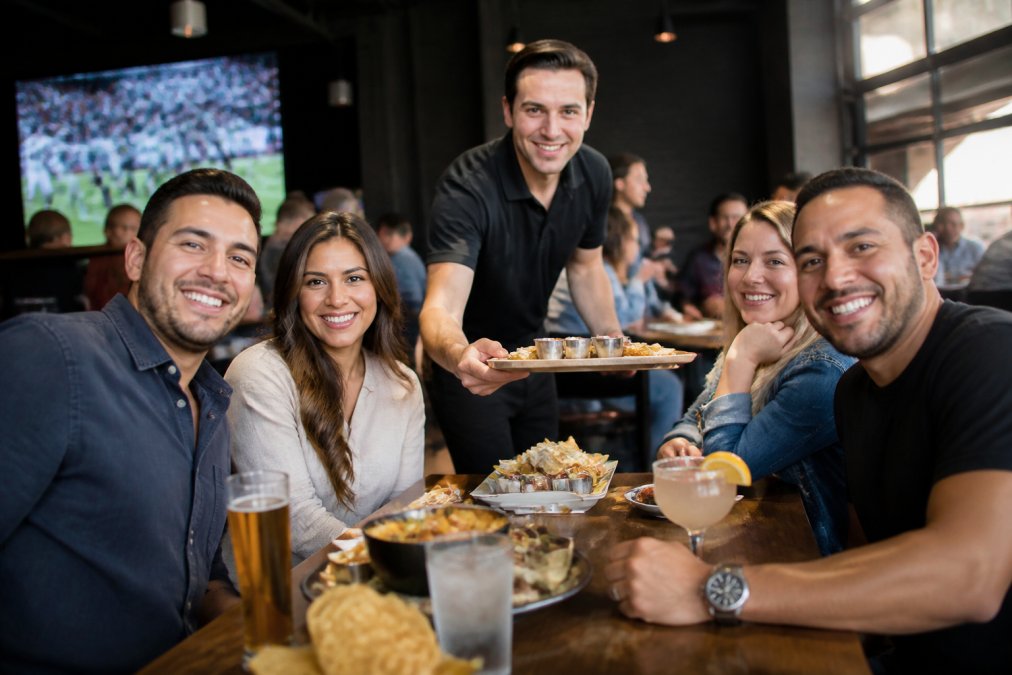
Hospitality metrics matter more than slogans. Friendly service, in practice, means staff who can read a table, knowing when to linger for a conversation about the game and when to clear plates and reset for the next seating. This approach aligns with broader industry guidance on restaurant service standards and guest satisfaction, which emphasizes that consistency in training is what separates casual spots from reliable favorites. A common mistake is assuming speed means rushing; the real skill is maintaining pace without making guests feel hurried.
What Defines the Best Sports Bars for Game Day
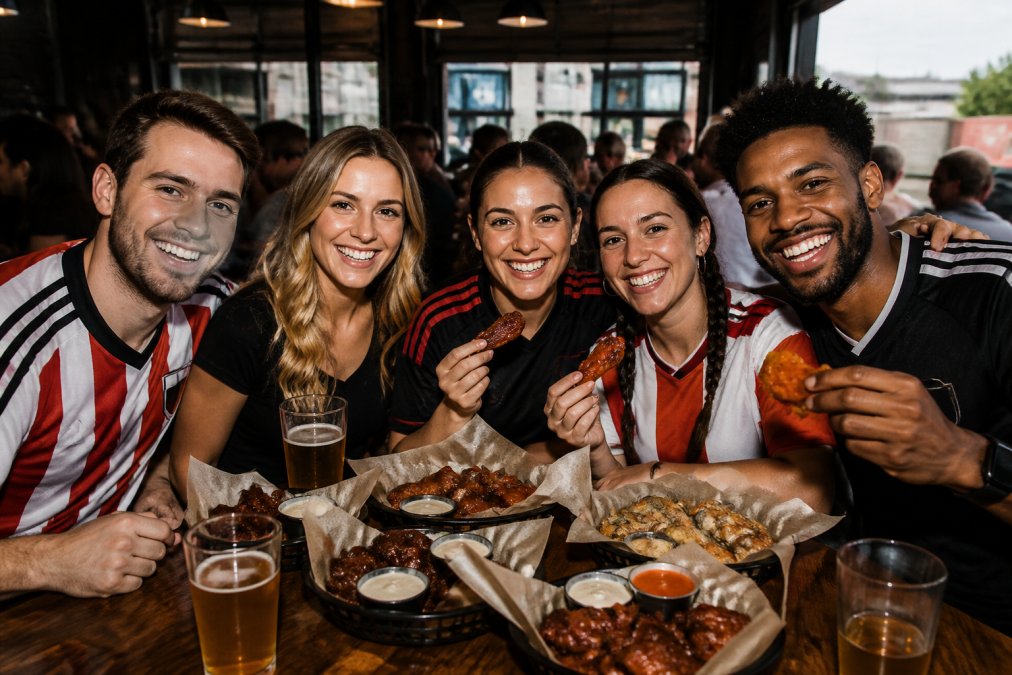
The best sports bars for game day share one trait: they treat the event as a production. Every screen is visible from every seat, the sound system is tuned so commentary is clear without drowning out table conversation, and the menu is built to handle a surge of orders without quality dipping.
Many venues fail because they try to be everything to everyone. A focused approach wins. Look for a kitchen that prepares food made-to-order but has simplified its menu so the cook line can execute during a watch party.
The Upscale Sports Dining Menu Difference
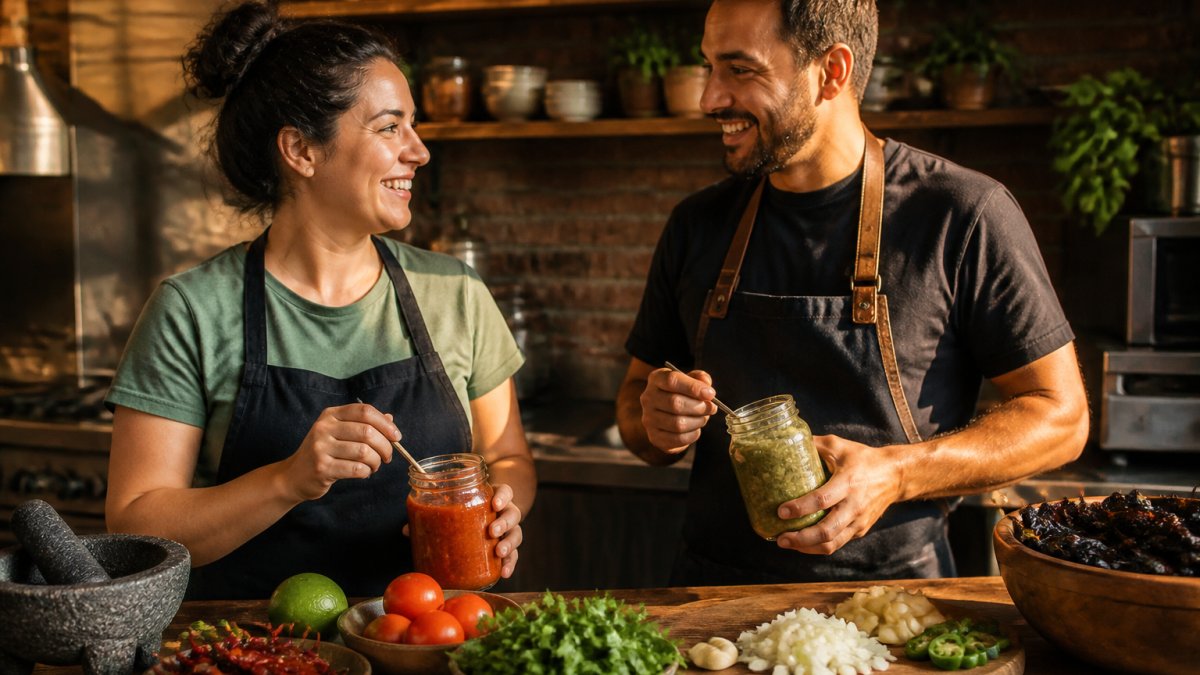
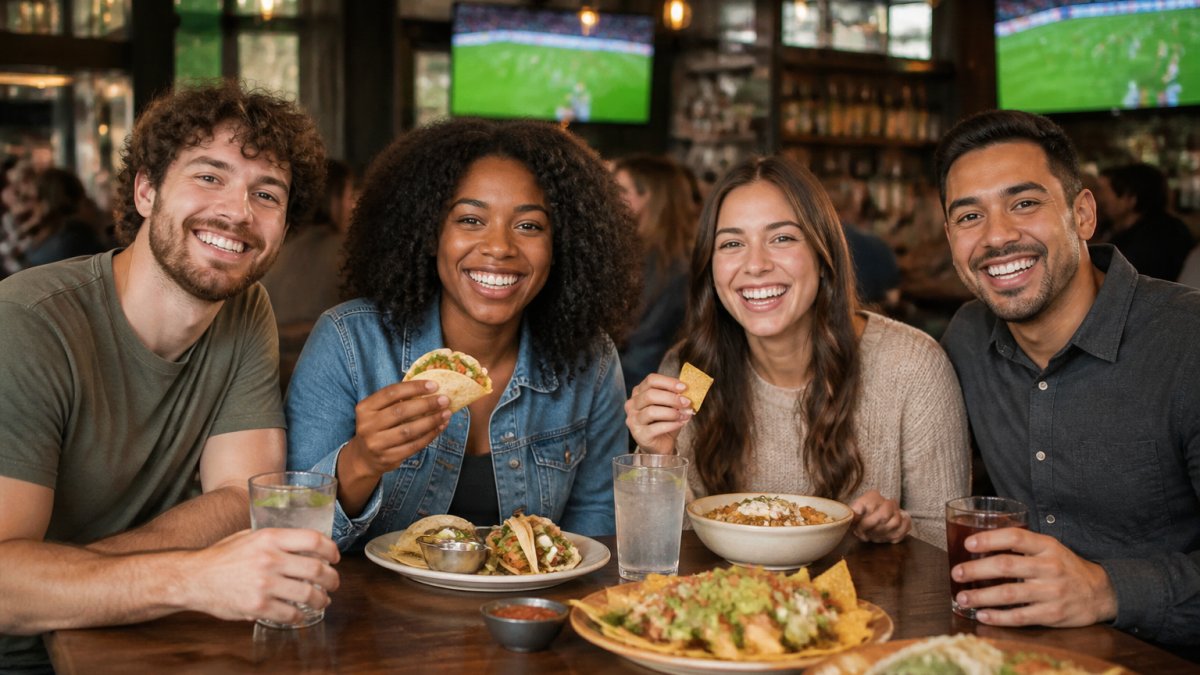
An upscale sports dining menu bridges the gap between stadium food and a restaurant you would recommend for a date. The difference is ingredient integrity and execution. Scratch-made items, all-natural meats, and locally sourced tortillas signal a kitchen that refuses to cut corners.
The practical question guests ask is whether premium ingredients mean premium pricing and slow service. A menu designed for speed uses components that are prepped in advance but finished to order. This is where the National Restaurant Association's research on menu trends shows a shift toward quality ingredients at accessible price points in the fast-casual segment. When you evaluate a venue, ask where the proteins come from and whether the tortillas are pressed locally. The response tells you more about the kitchen's philosophy than any marketing tagline. A quick lunch should still be possible, with the same quality as a full dinner service.
Atmosphere and Viewing Experience
The viewing experience is the backbone of any sports venue, but the atmosphere is what makes it memorable. The ideal setup offers big-screen viewing from every angle, with additional smaller screens for secondary games. Lighting should be dim enough for screen clarity but bright enough that guests can read a menu and see their food.
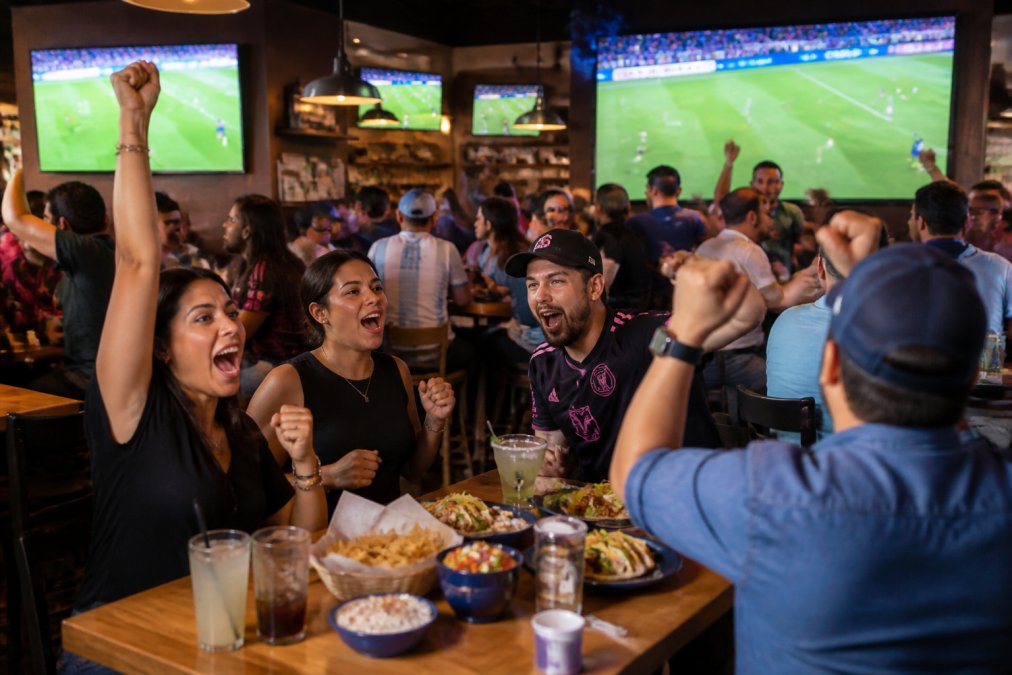
The energy of a game day atmosphere is infectious, but it must be managed. Venues that excel create zones: a louder area near the main screen for die-hard fans and quieter booths on the periphery for families or first dates.
Service Speed and Technology-Driven Ordering
Technology-driven ordering has changed the game for sports dining service, but the real advantage lies in how the technology is deployed. Table-side tablets and mobile ordering systems can reduce wait times because orders route directly to the kitchen and bar, bypassing a server writing tickets and walking them to the pass.
The Mechanics of Speed: How Ordering Systems Actually Work
A common pattern in high-performing venues is a kitchen display system (KDS) that prioritizes tickets by table turn time and course type. When a guest orders a drink and an appetizer simultaneously, the system can split the ticket: the bar receives the drink order immediately, while the kitchen receives the food order with a slightly delayed fire time. This can help ensure the drink and appetizer arrive within a minute of each other. The biggest bottleneck in sports dining is often not cook time but the lack of synchronization between the bar and the pass. Ask if their system uses a split-ticket protocol; if the staff looks confused, expect delays during peak play.
Geofenced mobile ordering can allow guests to order from their seats before the game starts, with the system holding the ticket until a designated pickup time or check-in. This can be useful for halftime surges, when the bar and kitchen are hit with a wall of orders in a 15-minute window.
The Trade-Off: Speed vs. Hospitality
The skepticism about "fast, friendly service" claims is justified when technology replaces human interaction entirely. A venue that relies solely on kiosks or phone ordering risks losing the warmth that makes a sports bar feel like a neighborhood spot. The best systems use technology for the transactional side, freeing the floor team to focus on hospitality: checking in on tables, refilling waters without being asked, and reading the room.
What to Ask Before You Book
- Does your ordering system split tickets between the bar and kitchen? If not, expect drink delays.
- Can I pre-order for halftime from my seat? If yes, this is a major advantage for big games.
- Is there a hospitality runner on the floor during peak hours? This indicates a focus on service quality, not just throughput.
- What is your average ticket-to-table time during a full house? A well-run venue should be able to quote a number, even if it is an estimate. If they cannot, they are not tracking it.
Sports Bar Private Event Hosting for Groups
Sports bar private event hosting requires a different operational playbook than walk-in service. A group of 40 people arrives in a wave, and the kitchen must be prepared for that surge.
Standard table service often collapses under a large group ordering individually, so many venues require a set menu or minimum spend. Ask about the staff-to-guest ratio and whether the bar will have a dedicated service point. A venue that hosts events regularly may have a system for wristbands, tabs, or pre-paid packages. For a client meeting or family celebration, the venue should offer a semi-private space that shields the group from the main bar's noise while keeping the visual entertainment accessible.
Acoustics, Noise Levels, and Dietary Accommodations
Acoustics are the most underestimated factor in sports dining. A room full of cheering fans is exciting, but if hard surfaces bounce sound so much that guests cannot hear their server or companions, the experience degrades quickly. Venues that invest in acoustic panels or carpeting keep the energy high while preserving conversation clarity.
The Acoustic Map: Zones and Decibel Levels
A well-designed sports venue has an acoustic map. The area in front of the main screen will naturally sit at 85-90 decibels during a touchdown or goal, comparable to a subway platform (the CDC). The periphery, especially booths with high backs or acoustic baffles, may offer a quieter experience, closer to normal conversation. This zoning can result from deliberate material choices. Look for acoustic ceiling tiles, fabric-wrapped wall panels, or carpeted floors. If the venue is all hard surfaces, concrete floors, glass walls, and exposed ductwork, the sound may bounce and create a "cocktail party effect." Ask the manager if they have measured decibel levels in different zones.
Dietary Accommodations: The Scratch Kitchen Advantage
Dietary restriction accommodations are equally critical, and this is where a scratch kitchen has a structural advantage over a venue that relies on pre-prepared food. A kitchen that makes food to order can adjust dishes for allergies or preferences without compromising the rest of the ticket. The mark of a mature operation is a menu that labels allergens clearly and a staff trained to ask about restrictions.
A venue that handles dietary needs well may have a separate fryer for gluten-free items, or at minimum, a documented protocol for changing oil and cleaning surfaces. Ask the kitchen manager about their cross-contamination procedures. For vegan guests, ask whether the kitchen has a dedicated plant-based prep station or whether vegan items are prepared on the same surfaces as meat.
The Business Lunch Angle: Off-Peak Acoustics
If you are bringing a client for a business conversation, ask about noise levels during off-peak hours. Many sports bars are quiet on weekday afternoons, offering a perfect setting for a working lunch. The key is whether the kitchen and bar are fully staffed during off-peak hours; a venue with only a skeleton crew will have slow service even if the room is quiet.
What to Ask Before You Book
- Have you measured decibel levels in different seating zones? A venue that has done this is rare and serious about the experience.
- Do you have a dedicated gluten-free fryer or a documented cross-contamination protocol? This is the difference between a venue that accommodates and one that merely labels.
- Can you prepare vegan items on a dedicated surface? If the answer is "we can try," that is not a reliable accommodation.
- Is the full kitchen staffed during weekday afternoons? This determines whether a quiet business lunch will also be a fast one.
Is This the Right Sports Dining Service for You?
Choosing the right venue comes down to matching the experience to the occasion.
| Consideration | Best Scenario | What to Ask |
|---|---|---|
| Game Day Energy | Large groups, die-hard fans | Do you have seating zones for different noise levels? |
| Business Meeting | Quiet off-peak hours | Are the screens distracting during lunch service? |
| Family Meal | Diverse menu with quick service | Can you accommodate dietary restrictions easily? |
| Private Event | Groups of 20+ guests | Do you have a dedicated event coordinator? |
| Quick Lunch | Fast-casual pace | Is ordering technology available to speed up service? |
The answer depends on your primary need. If you want the full game day atmosphere with the confidence that your food is scratch-made and your server will appear before the replay ends, a venue that combines these elements is worth the visit. The Corner Kick Cantina offers a curated tequila selection alongside a family-friendly dining room. Booking ahead for peak matches is often recommended.
Choosing a sports dining venue is about prioritizing what matters for your specific visit, whether that is an unobstructed view of the pitch, a quiet booth for a client conversation, or a kitchen that respects dietary needs. The Corner Kick Cantina delivers on all fronts with its Mid-West Mex scratch kitchen, locally made yellow maiz tortillas, and all-natural meats, all served with the fast, friendly service that defines the experience.
Frequently Asked Questions
What defines premium sports dining?
Premium sports dining combines high-quality, scratch-made food with an energetic game-day atmosphere. Unlike typical bar food, the menu features fresh ingredients, made-to-order dishes, and a thoughtful beverage selection. The service standard is also higher, with attentive staff who keep the experience moving quickly so you do not miss the action. It is the difference between settling for a frozen appetizer and enjoying a meal crafted with care while still watching every play on a big screen.
How can you ensure fast service at a busy sports bar?
Fast service at a busy sports bar depends on systems, not just effort. Look for venues that use technology-driven ordering, such as tablets at the table or a mobile app, which send orders directly to the kitchen. An organized layout where servers have clear zones also cuts down wait times. When you arrive, ask about the kitchen's turnover rate during peak hours. A place that prioritizes made-to-order food can still serve you quickly if their workflow is efficient.
Are there sports bars that offer scratch-made meals quickly?
Yes, a scratch-made kitchen and fast service are not mutually exclusive. The key is preparation. A venue that makes its own tortillas or sauces can still deliver quickly when the kitchen is set up for high volume. Look for a fast-casual model within the sports bar, where made-to-order items are assembled fresh but designed to be served in minutes. This approach avoids the frozen-food shortcut while keeping wait times competitive with any quick service restaurant.
Why is atmosphere important for a premium sports dining experience?
Atmosphere sets the emotional tone for the event. A premium sports dining experience needs visual entertainment, like big-screen viewing, but also acoustics that let you hear the game and conversation. The right seating availability and group seating options make a watch party feel inclusive. Lighting, sound management, and comfortable seating all contribute to how long you want to stay. A great game-day atmosphere turns a simple meal into the highlight of your week.
What should you look for in a sports bar for private events?
For sports bar private event hosting, verify the venue can handle your group size without service falling apart. Ask about dedicated staff for your event and whether the kitchen can manage a large order alongside regular customers. Check for semi-private spaces that still offer views of the screens. Also ask about customizable menu options for dietary restrictions. A venue with experience hosting 40-person events will have a clear plan for food timing and beverage service.