 listicle
Best Kid-Friendly Restaurants for Dinner
Table of Contents
- What Makes a Restaurant Truly Kid-Friendly
- Family Friendly Dining Tips for a Smooth Experience
- How to Dine Out with Toddlers Without the Stress
- Mid-West Mex Cuisine for Families
- Key Amenities Every Kid-Friendly Restaurant Should Have
- Creating a Welcoming Atmosphere for Children
- Frequently Asked Questions
Last Updated: September 23, 2026
Best Kid-Friendly Restaurants for Dinner
Finding the best kid friendly restaurants for dinner where your family can relax is harder than it sounds. You need a place that welcomes children, serves food everyone will eat, and stays calm.
This guide covers what separates a truly kid-friendly restaurant from one that tolerates children: amenities that help, navigating dining with toddlers, and why atmosphere matters.
What Makes a Restaurant Truly Kid-Friendly
Among the best kid friendly restaurants for dinner, those with staff trained to accommodate children without rushing you stand out. Tables are spaced for strollers and high chairs. Noise levels are manageable, not silent, but not overwhelming. Lighting is bright enough to see food and navigate safely.
Menu variety matters. A restaurant offering simple proteins, familiar starches, and vegetables without heavy sauces gives families real options. Fresh, quality ingredients usually extend to children's offerings too.
Look for clean, secure high chairs, available booster seats, and accessible changing stations. Outdoor seating offers flexibility if a child needs to move around. Play areas aren't essential but reduce stress during waits.
Family Friendly Dining Tips for a Smooth Experience
The difference between a stressful dinner and a pleasant one often comes down to preparation and realistic expectations.
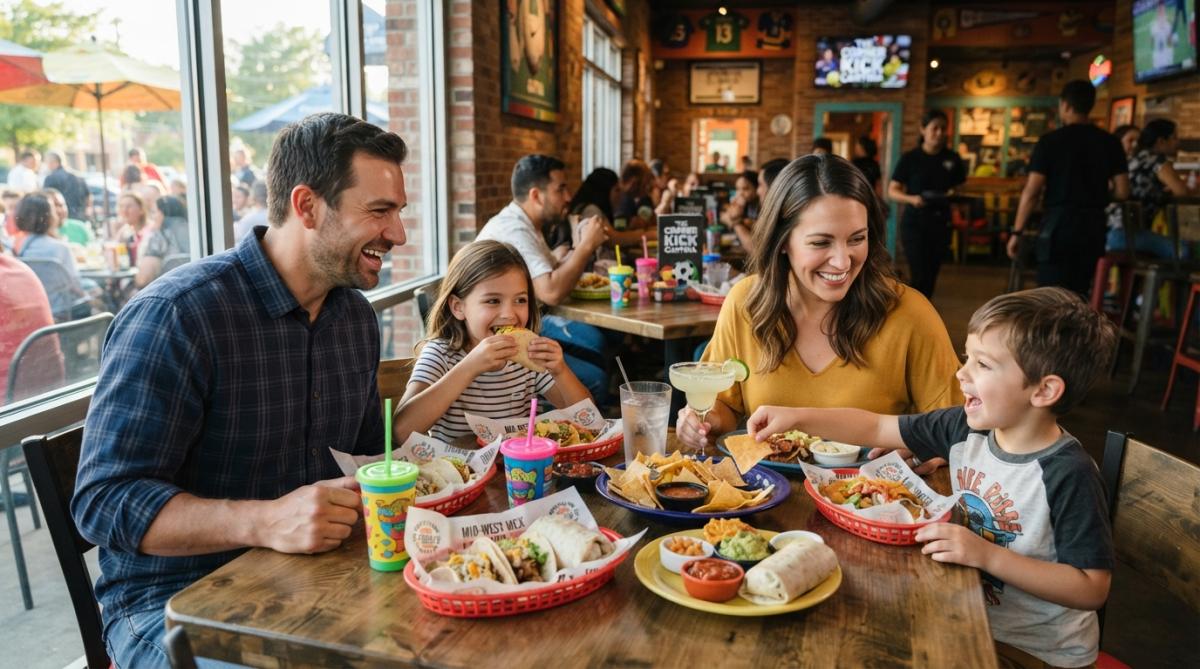
Early dinner, between 5 and 6 p.m., works best for families with young children. Restaurants are less crowded and staff has more patience. Call ahead for reservations so the restaurant can prepare a suitable table.
Bring small activities, coloring books, puzzles, notepads, but leave screens at home. Engaged kids are easier to manage and notice the food when it arrives.
Set expectations before you arrive. Explain where you'll sit, what you'll order, and how long it might take. Use simple language: "We're going to eat dinner at a restaurant. You'll sit in a high chair. We'll order food that you like."
Request bread or appetizers early, hungry children lose patience quickly. Order for children first so the kitchen can prepare their food while you decide on your own meals.
How to Dine Out with Toddlers Without the Stress
Choose the Right Restaurant Type
Choose casual dining over formal fine dining. Casual restaurants expect noise and movement, and staff work around families. Mexican restaurants, in particular, have moderate noise levels and colorful environments that hold toddlers' attention without overstimulating them.
Sensory Considerations for Sensitive Toddlers
If your toddler is sensitive to noise or bright lighting, ask when you call: "What time is your quietest dinner service?" Most restaurants have a lull between 5 and 5:30 p.m., before the main rush.
Sit in a corner or booth rather than the center of the dining room. If lighting is too bright, ask for a dimmer section. Most restaurants accommodate this without hesitation.
For noise-sensitive toddlers, bring noise-reducing earplugs or a comfort item like a stuffed animal. These tools reduce overwhelming stimulation so your child can focus on eating.
High Chairs, Positioning, and Safety
Check that high chair trays are secure and clean. Bring wet wipes. Request a booster seat if your child needs height adjustment. Ask about booster options when you call ahead.
Sit near an exit for quick bathroom trips. Avoid tables in the server's path. Corner tables or booths work better than center seating.
Strategic Ordering and Timing
Ask what the restaurant can offer: plain pasta, grilled chicken, fruit, vegetables without sauce. Many will customize simple dishes. Request bread or appetizers early, hungry children lose patience quickly.
Managing Meltdowns Before They Happen
Set expectations before you arrive using simple language. Bring small, quiet activities, coloring books, puzzles, notepads. Avoid screens; they make the transition back to eating difficult.
If your toddler gets fussy, step outside for 2-3 minutes. A brief break often prevents a full meltdown.
If a Meltdown Happens
If a meltdown happens, stay calm and remove your child from the table. Once they've calmed down, return to the table or ask the server to box up your food. There's no shame in leaving early.
Mid-West Mex Cuisine for Families
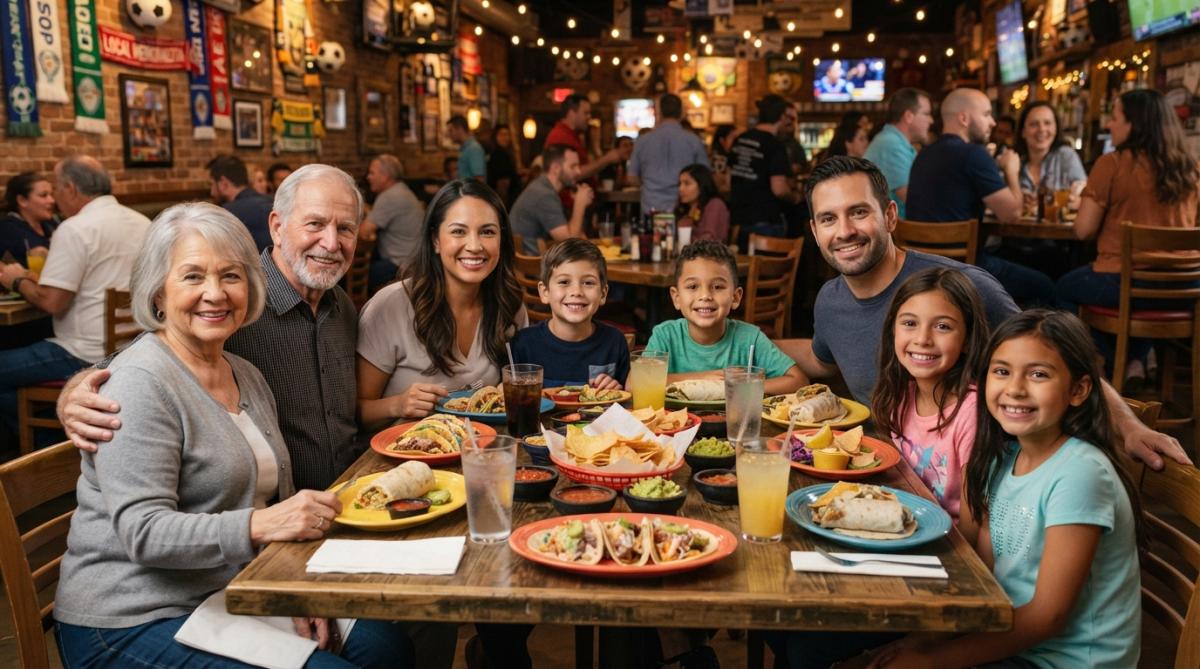
Mexican restaurants, particularly those specializing in Mid-West Mex cuisine, make excellent kid-friendly choices. Mexican food is naturally customizable and visually appealing. Tacos, burritos, and quesadillas can be made with simple proteins and mild flavors. Rice and beans are staple sides most children eat without complaint.
At The Corner Kick Cantina, we've designed our menu with families in mind. Scratch-made tacos with all-natural meats, locally made yellow maiz tortillas, and fresh ingredients mean even simple dishes taste genuinely good. Children often eat what their parents are eating, just in smaller portions.
Key Amenities Every Kid-Friendly Restaurant Should Have
Beyond food quality and atmosphere, specific amenities signal whether a restaurant truly welcomes families. But not all amenities are created equal, knowing what to look for and how to evaluate them makes the difference between a convenient restaurant and one that genuinely accommodates your family's needs. Prioritizing establishments that offer a diverse selection of foods for picky eaters ensures that even the most hesitant diners remain satisfied throughout the meal.
High Chairs and Booster Seats
High chairs should be available, clean, and secure. This seems obvious, but many restaurants have outdated or poorly maintained seating. A good high chair has a secure tray that locks firmly, stable legs that don't wobble, and is sanitized between uses. When you call ahead, ask: "How many high chairs do you have available?" and "Are they cleaned between each use?" Restaurants that can answer these questions specifically are more likely to maintain their equipment. Booster seats matter equally for children who've outgrown high chairs but need elevation to reach the table comfortably. Some restaurants have better booster options than others, cushioned boosters with back support are safer and more comfortable than thin plastic seats. Request a booster when you arrive and test it before placing your child in it.
Changing Stations and Bathroom Accessibility
Changing stations in accessible bathrooms are non-negotiable for families with infants and toddlers. The best restaurants have dedicated family restrooms with changing tables, not just a small shelf in a single-stall bathroom. When you call ahead, ask: "Do you have a family restroom with a changing table?" If the answer is vague, follow up: "Is the changing table in a separate room or in the main bathroom?" A dedicated family restroom means you're not changing a diaper in a stall while other customers wait. Check that the changing table is clean and sturdy when you arrive. Some restaurants stock diaper disposal bins and hand-washing stations right at the changing table, these details matter when you're managing an infant and a toddler simultaneously.
Allergy Protocols and Dietary Accommodations
If your child has food allergies, the restaurant's allergy protocol is critical. Call ahead and ask: "How do you handle food allergies? Can I speak with the manager or chef about my child's specific allergies?" The best restaurants have staff trained to take allergies seriously, they understand cross-contamination risks, can identify ingredients in dishes, and communicate directly with the kitchen. Ask whether the restaurant can prepare meals in a separate area or with dedicated utensils if your child has severe allergies. Some restaurants maintain allergen menus or ingredient lists; if they do, ask for a copy before you arrive. This isn't just convenience, it's a safety measure that shows the restaurant takes dietary restrictions seriously.
Parking and Stroller Access
Accessible parking and stroller-friendly entrances reduce stress before you even sit down.
Water Service and Spill Management
Quiet Spaces and Outdoor Seating
Creating a Welcoming Atmosphere for Children
Atmosphere isn't just about décor, it's about how the restaurant makes families feel.
Frequently Asked Questions
What makes a restaurant truly kid-friendly for dinner?
A kid-friendly restaurant combines several elements: a casual, welcoming atmosphere that doesn't penalize noise; quick service that respects families' time constraints; high chairs and booster seats available; a menu with options both kids and adults enjoy; and staff trained to engage children warmly. Bonus features include changing stations, outdoor seating, and entertainment options like coloring activities or games. The best kid-friendly restaurants balance hospitality with practical amenities that make dining easier for parents.
What are the best tips for dining out with toddlers?
Timing matters: choose early dinner hours when restaurants are less crowded and staff can focus on your table. Call ahead to confirm high chair availability and let the kitchen know you have young children so they can prioritize your order. Bring quiet entertainment like books or small toys, but avoid screens during the meal. Pack extra clothes and wipes for accidents. Choose restaurants with quick service and kid-approved menus. Request a table away from the kitchen noise if your toddler is sensitive to sound. Most importantly, stay relaxed, children pick up on parental stress.
Are there restaurants that offer healthy options for children?
Yes, many modern restaurants now prioritize healthy kids' meals with fresh vegetables, lean proteins, and whole-grain options. Look for places that offer grilled rather than fried items, fresh fruit sides, and water or milk as default drink options. Restaurants using all-natural meats and locally sourced ingredients typically extend those standards to children's meals. Don't hesitate to ask your server about modifications, most kitchens will accommodate requests like steamed vegetables or sauce on the side. Reading online menus in advance helps you identify restaurants that align with your family's dietary preferences.
How can you find restaurants that accommodate large family groups?
Call ahead to confirm the restaurant can handle your party size and ask about reservation policies. Restaurants with private dining areas or flexible seating arrangements work best for groups. Ask about their approach to large tables: some offer family-style service where dishes are shared, while others serve individual plates. Inquire about their kitchen capacity during your preferred dining time. Many restaurants offer group menus or set pricing for larger parties. The Corner Kick Cantina specializes in handling group gatherings and can discuss custom arrangements for your family's needs.