 how-to
What to Look for in a Local Diner Menu
Table of Contents
- Understanding What Makes a Strong Local Diner Menu
- Classic Diner Food: Identifying Signature Dishes Done Right
- Diner Menu Specials and Daily Offerings: What They Reveal
- How to Choose a Healthy Diner Meal Without Sacrificing Taste
- Diner Menu Questions to Ask Before You Order
- Red Flags and Quality Indicators on a Diner Menu
- Building Your Diner Menu Evaluation Checklist
- Frequently Asked Questions
Last Updated: October 7, 2026
Understanding What Makes a Strong Local Diner Menu
A strong local diner menu tells you what the kitchen does well: classics executed properly, plus a few signature items that set the place apart.
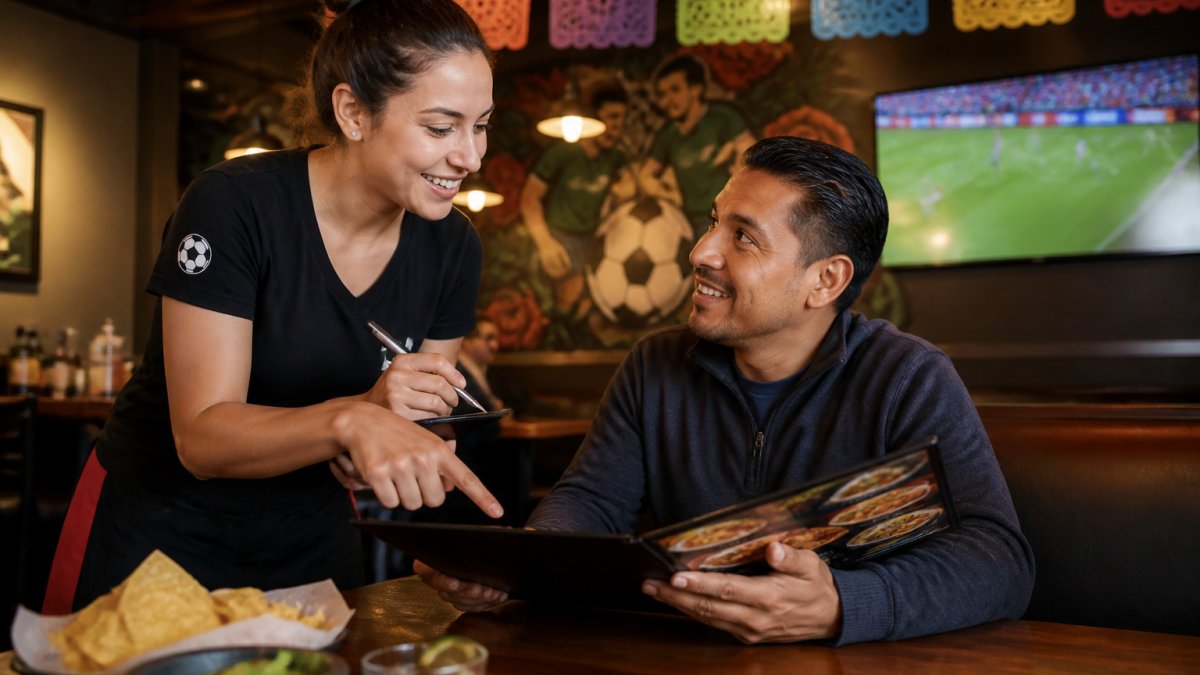
A diner menu that's lean but confident signals a kitchen that knows its limits, fresh ingredients listed, daily specials that change, descriptions that tell you what you're getting.
Look for these markers of a strong menu:
- Clear descriptions that explain what's in each dish
- A mix of breakfast, lunch, and classic diner staples
- Daily specials that rotate (not static year-round)
- Honest portion sizes mentioned when relevant
- Ingredient callouts (fresh strawberries, all-natural meats, locally made tortillas)
A menu bloated with 50 sandwiches and 30 salads signals a kitchen stretched too thin. You want focus, not exhaustion.
Classic Diner Food: Identifying Signature Dishes Done Right
The heart of any diner is breakfast and lunch. Classic diner food should be executed with precision because the recipes are simple.
Menus that describe how eggs are cooked, over easy, over medium, scrambled soft or firm, show a kitchen that thinks about details.
Pay attention to sides. Refried beans, fresh fruit, and crispy hash browns signal a kitchen that cares.
Here's what to look for in signature dishes:
- Specific meat descriptions (all-natural, grass-fed, locally sourced)
- Fresh ingredients called out by name (fresh strawberries, not just "fruit")
- Preparation methods that show skill (blackened, hand-breaded, made to order)
- Portion sizes that match the price
- Unique twists that show the kitchen's personality
Diner Menu Specials and Daily Offerings: What They Reveal
Daily specials tell you a lot.
Look at what specials are offered:
- Do they change by day of the week?
- Are they tied to seasonal ingredients?
- Do descriptions mention preparation (grilled, sautéed, fresh)?
- Are they priced fairly for what you get?
A diner featuring fresh strawberries in season and switching fruit in winter is thinking about quality; one listing the same berry special every month is cutting corners.
Specials also reveal what the kitchen does best. If tacos and burritos dominate the board, that's their strength; if salads rotate through, they're committed to lighter options.
Check the menu for these special indicators:
- Specific daily themes (Taco Tuesday, Fish Friday)
- Ingredient-driven descriptions
- Seasonal rotation patterns
- Price points that seem fair for the ingredients listed
The worst specials are vague ones. "Lunch special" without details is a red flag.
How to Choose a Healthy Diner Meal Without Sacrificing Taste
A local diner menu should offer real healthy choices, not token salads. Read it for dietary needs, allergen transparency, and build-your-own flexibility.
Start with protein and preparation
Scan for protein options beyond the fryer. Grilled chicken, turkey, fish, and lean beef should be listed with the preparation method named. "Grilled," "baked," "blackened," and "roasted" signal a method beyond dropping food in oil; "crispy" and "golden" almost always mean fried.
If grilled and baked options appear across the menu, not just in a "light fare" corner, the kitchen supports lighter eating.
Read salads like a skeptic
A quality diner builds salads with named greens, named toppings, and house-made dressings. "Chef salad" with no components listed is a coin flip; "blackened steak salad with romaine, cherry tomatoes, red onion, and house vinaigrette" signals the kitchen thought about it.
Watch for hidden heaviness: candied nuts, fried tortilla strips, creamy dressings, and cheese blends can push a salad past a burger in fat and calories. Ask for dressing on the side.
Dietary needs and allergen transparency
This is where most diner menus fall short, and where a few questions separate a careful kitchen from a careless one.
- Vegetarian: Ask whether beans are made with lard or vegetable oil. Refried beans are traditionally made with lard, so "vegetarian" on the menu doesn't guarantee it. Black beans and pinto beans are usually safer bets, but confirm.
- Vegan: Ask about butter on the grill, eggs in the batter, and dairy in the sauces. A diner that cooks everything on one flat-top will have cross-contact with meat and dairy even if the dish itself is plant-based.
- Gluten-free: Ask whether the kitchen has a dedicated fryer, separate prep surface, and gluten-free bread or tortillas on hand. Corn tortillas are typically gluten-free; flour tortillas are not. Soy sauce, some marinades, and most gravies contain gluten.
- Allergies (nuts, shellfish, dairy, eggs): Ask directly whether the kitchen can prepare your dish on a clean surface with clean utensils. Cross-contact is the real risk, not just whether an ingredient is in the recipe.
A diner that answers these questions clearly and without defensiveness is one you can trust. One that shrugs, guesses, or gets annoyed is telling you something about how they handle every order.
Build a balanced plate from what's already there
You don't need a dedicated "healthy" section to eat well at a diner. Use what's on the menu:
- Swap fries for fresh fruit, a side salad, or steamed vegetables when the menu allows substitutions.
- Order breakfast for lunch, eggs, whole-grain toast, and a side of fruit often beat a sandwich and chips on balance.
- Ask for sauces and dressings on the side.
- Choose grilled chicken or fish in place of fried patties in sandwiches and tacos.
- Order a half portion if the menu offers one, or box half the meal before you start.
The real test
Ask yourself: Can I build a satisfying meal here without feeling like I'm on a diet? If yes, and the staff can answer basic questions about ingredients and preparation, the diner respects health-conscious customers. If every option feels heavy and no one can tell you what's in the beans, they're not thinking about that audience.
The best diners offer both comfort food and real nutrition, and they don't apologize for either.
Diner Menu Questions to Ask Before You Order
Before you commit to a dish, ask your server real questions. A good server, and a confident kitchen, welcomes them.
Ask about ingredients if you have allergies or preferences.
Ask about portions. "Is this a big plate or a light meal?" Knowing what to expect helps you order confidently.
Here are key questions to ask:
- How is this prepared? (fried, grilled, baked, sautéed)
- Are the ingredients fresh or frozen?
- Can I customize this dish?
- What size portion should I expect?
- Does this contain [allergen]?
A diner that answers these questions openly is one you can trust.
Red Flags and Quality Indicators on a Diner Menu
Some things on a local diner menu should make you pause; others should give you confidence. The difference comes down to what the menu reveals about how the kitchen operates.
Freshness clues you can read without tasting anything
You can't verify freshness from a menu, but you can spot the signals that correlate with it.
- A focused menu. A kitchen turning out 120 dishes is buying broadly and storing long. A kitchen turning out 40 is buying deeper on fewer items and rotating them faster. Focus usually means fresher.
- Seasonal language. "Fresh strawberries" in June is a claim. "Fresh strawberries" in January is either frozen, shipped, or wishful. Menus that change with the season are usually menus that buy with the season.
- Made-to-order language. "Made to order," "hand-breaded," "cooked to temperature," and "scratch-made" are specific claims a kitchen has to back up. "Fresh" alone is marketing.
- Daily specials that actually change. A specials board that shifts by day or week reflects a kitchen cooking with what it has. A board that's been the same for months is decoration.
- Named ingredients. "All-natural chicken," "house-made tortillas," "local greens," and "real maple syrup" are checkable claims. "Chicken," "tortillas," and "syrup" are not.
None of these guarantee quality. Together, they tell you whether the kitchen is thinking about ingredients at all.
Red flags and what they usually mean
- Vague descriptions ("sandwich," "salad," "plate"), the kitchen either doesn't know what's in it or doesn't want you to ask.
- No ingredient or source callouts anywhere, the menu was written to fill space, not to sell food the kitchen is proud of.
- Typos and inconsistent formatting, attention to detail on the page often mirrors attention to detail on the line.
- Prices that seem too low for the ingredients listed, someone is cutting somewhere, usually on portion, quality, or both.
- No daily specials or seasonal rotation, the kitchen isn't adapting to what's available.
Quality indicators that build confidence
- Specific, detailed descriptions that name ingredients and preparation.
- Ingredient callouts, fresh herbs, house-made sauces, locally made tortillas, real butter, real vanilla.
- Daily specials that rotate and reference what's in season.
- Portion guidance, "half portion available," "serves two," or server confirmation when you ask.
- Multiple preparation methods across the menu (grilled, baked, roasted, fried), not just one.
- Fresh sides and salad options listed with the same care as entrees.
The menu as a document
How a menu is written and organized tells you how the kitchen thinks. Clean layout, consistent grammar, and careful descriptions suggest a team that pays attention; a sloppy menu usually reflects a sloppy kitchen.
Pay attention to how the diner talks about its food. A diner menu that says "our famous tacos" or "house-made burritos" signals pride; one that just lists items without personality suggests they're going through the motions.
You can't judge a diner by any single line on the menu. But the pattern, how specific the descriptions are, how often specials change, whether ingredients are named, whether dietary questions have answers, tells you more about the kitchen than any one dish ever will.
Building Your Diner Menu Evaluation Checklist
Use this checklist the next time you're evaluating a local diner menu to spot quality quickly.
| Factor | What to Look For | Why It Matters |
|---|---|---|
| Descriptions | Specific, detailed, mentions ingredients | Shows the kitchen cares about clarity |
| Proteins | Multiple options, quality noted | Signals variety and ingredient focus |
| Sides | Fresh fruit, vegetables, real choices | Reflects overall kitchen standards |
| Specials | Daily rotation, seasonal ingredients | Shows engagement with freshness |
| Customization | Menu notes flexibility, server confirms | Indicates confidence and hospitality |
| Preparation | Multiple methods listed (grilled, baked) | Shows kitchen skill and options |
| Portion Size | Realistic descriptions or server guidance | Prevents disappointment and waste |
| Allergen Info | Clear, honest, easy to ask about | Signals respect for customer needs |
Before you order, ask yourself:
- Can I clearly picture what I'm ordering?
- Do ingredients sound fresh and intentional?
- Are there options for different appetites and preferences?
- Does the menu feel proud of what it offers?
- Would I feel comfortable asking the server questions?
A strong diner menu makes ordering easy and confident. It respects your time and your appetite, and shows a kitchen that knows what it does well.
The best diners earn loyalty through consistent quality and thoughtful menu design.
Finding the right diner starts with reading the menu like a detective, look for clarity, quality, and confidence in every description.
Frequently Asked Questions
What are the most popular classic diner foods to look for?
Steak and eggs, omelets, French toast, burgers, hot dogs, sandwiches, and salads are staples. Look for how a diner executes these basics, perfectly cooked eggs, fresh bread, quality meat, and made-to-order preparation signal a kitchen that takes pride in fundamentals. A strong local diner menu highlights these dishes prominently and offers customization options.
How can you tell if a diner makes food from scratch?
Check the menu for made-to-order language and specific ingredient descriptions. Fresh strawberries on French toast, hand-formed burgers, and house-made sauces indicate scratch cooking. Ask your server about preparation methods. Diner menu specials that change daily also suggest fresh ingredients and a kitchen that responds to what's available, not just heating pre-made components.
What questions should I ask about diner menu items before ordering?
Ask how dishes are prepared, what proteins are used, and whether items can be customized. Inquire about daily specials and their ingredients. For dietary needs, ask about allergens, cooking methods, and substitution options. These diner menu questions to ask help you understand portion sizes, freshness, and whether the kitchen can accommodate your preferences without compromising quality.
How do I choose a healthy diner meal without missing out on flavor?
Look for grilled or baked proteins, vegetable sides, and salads with dressing on the side. Many diners offer egg-based dishes with vegetables, turkey options, and customizable plates. Ask how dishes are cooked, grilled versus fried makes a difference. A quality local diner menu provides enough transparency and flexibility to help you make a healthy diner meal choice that still tastes great and feels satisfying.