 how-to
Accommodating Food Allergies at Sports Dining Venues
Table of Contents
- Why Food Allergy Accommodation Matters at Sports Venues
- Gathering Allergy and Dietary Information Before Service
- Food Allergy Questions to Ask Restaurants and Venues
- Food Allergy Restaurant Communication Strategies
- Food Allergy Cross-Contact Prevention in Kitchen Operations
- Food Allergy Meal Planning for Groups and Events
- Staff Training and Allergy Response Protocols
- Frequently Asked Questions
Last Updated: October 19, 2026
Why Food Allergy Accommodation Matters at Sports Venues
Food allergies affect millions of people in the United States, and accommodating food allergies at sports dining venues isn't just a courtesy, it's essential for creating an inclusive environment where everyone can enjoy the game safely. Whether you're running a stadium concession stand, managing a sports bar, or hosting a watch party at a restaurant like The Corner Kick Cantina, understanding how to handle allergies properly protects your guests and builds trust.
When someone with a food allergy sits down to eat, they're making a decision to trust your team. That trust depends on clear communication, proper training, and systems that prevent cross-contact during food preparation. A single mistake can turn a celebration into a medical emergency.
The stakes are real. Allergic reactions range from mild discomfort to life-threatening anaphylaxis. Your responsibility is to minimize risk through awareness, preparation, and honest dialogue with guests about what they're eating.
Gathering Allergy and Dietary Information Before Service
The foundation of accommodating food allergies at sports dining venues starts before anyone orders. You need to know what allergies exist in your group or among your guests, and you need that information early enough to plan.
For groups and events, ask attendees about allergies and dietary restrictions when they register or book. Use a simple form that asks:
- Do you have any food allergies?
- What are you allergic to?
- How severe is the reaction?
- Do you carry an EpiPen or other medication?
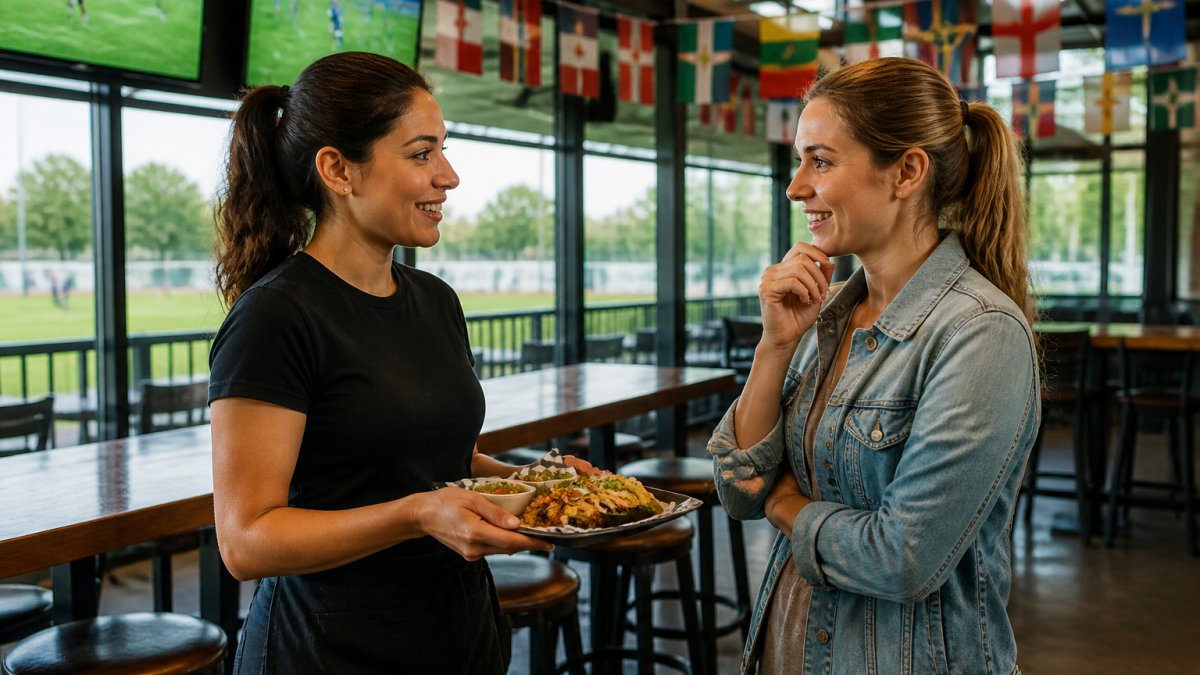
For individual diners, train your staff to ask during the ordering conversation. Make it part of your standard greeting: "Before we get started, do you or anyone at your table have food allergies we should know about?"
The key is asking directly and early. Don't wait until someone orders to mention they're allergic to peanuts. Frame it as a safety question, not an inconvenience. Most guests appreciate the attention to detail.
Food Allergy Questions to Ask Restaurants and Venues
When you're a guest at another venue or planning an event elsewhere, you need to ask the right questions to protect yourself or your group. These questions apply whether you're scouting a location for a corporate watch party or bringing family to a sports bar.
Ask about their allergy protocols:
- Do you have a system for tracking food allergies in orders?
- Can you provide a complete ingredient list for menu items?
- How do you prevent cross-contact between allergens during food preparation?
- What happens if a guest has a severe allergic reaction, do staff know where the first aid kit is?
- Can you accommodate special requests or outside food for medical reasons?
Also ask about common allergens specifically:
- Which dishes contain nuts, shellfish, dairy, soy, or gluten?
- Are any items prepared in shared equipment with allergens?
- Do you use the same cutting boards, fryers, or utensils for different ingredients?
These questions aren't confrontational. Venues that take allergies seriously will have clear answers. If they seem defensive or vague, that's a red flag.
Food Allergy Restaurant Communication Strategies
Once you've chosen a venue or you're the one managing it, communication during service is everything.
For guests ordering: Be specific about your allergy.
Tell the server you have an allergy, not just a preference. Allergies get treated differently than "no onions, please." Repeat the allergen clearly: "I have a peanut allergy.
Ask the server to verify with the kitchen before the food comes out. A simple "Can you check with the kitchen that this dish has no peanuts?" takes 30 seconds and can prevent disaster.
For staff taking orders: Write down the allergen clearly on the order ticket. Use bold or caps: "PEANUT ALLERGY" or "SHELLFISH ALLERGY." Don't rely on memory.
Repeat it back to the guest: "Just to confirm, you have a shellfish allergy, so I'm noting no shrimp, crab, or lobster on your order."
Mark the ticket so it stands out in the kitchen. Some venues use colored tickets or stickers for allergy orders. The visual cue matters, it catches attention.
For kitchen staff: Review every allergy order before you start cooking. Don't assume you know what it means. Read the ticket aloud.
Use dedicated equipment for allergy orders when possible. If someone is allergic to peanuts, don't use the same cutting board you just used for a peanut-crusted item.
Communicate within the kitchen. If you're plating an allergy order, tell your teammates: "This one's going out for a shellfish allergy, watch the cross-contact."
Food Allergy Cross-Contact Prevention in Kitchen Operations
Cross-contact is the silent failure mode in food allergy management.
Preventing cross-contact requires systems, not good intentions.
Separate equipment for allergen-free prep: If you are preparing a meal for someone with a peanut allergy, use a clean cutting board, clean knife, and clean utensils. Do not rinse the peanut-covered board and reuse it immediately; wash it thoroughly or use a dedicated board.
Fryer management: Shared fryers are a major cross-contact risk. If you fry peanut-coated or breaded items in oil, then fry something allergen-free in the same oil, the allergen stays in the oil. For someone with a severe peanut allergy, that is dangerous.
Hand hygiene: Kitchen staff need to wash their hands after handling allergens, including after touching raw ingredients, during prep, and before touching allergen-free items. It sounds basic, but it is often overlooked in fast-paced environments.
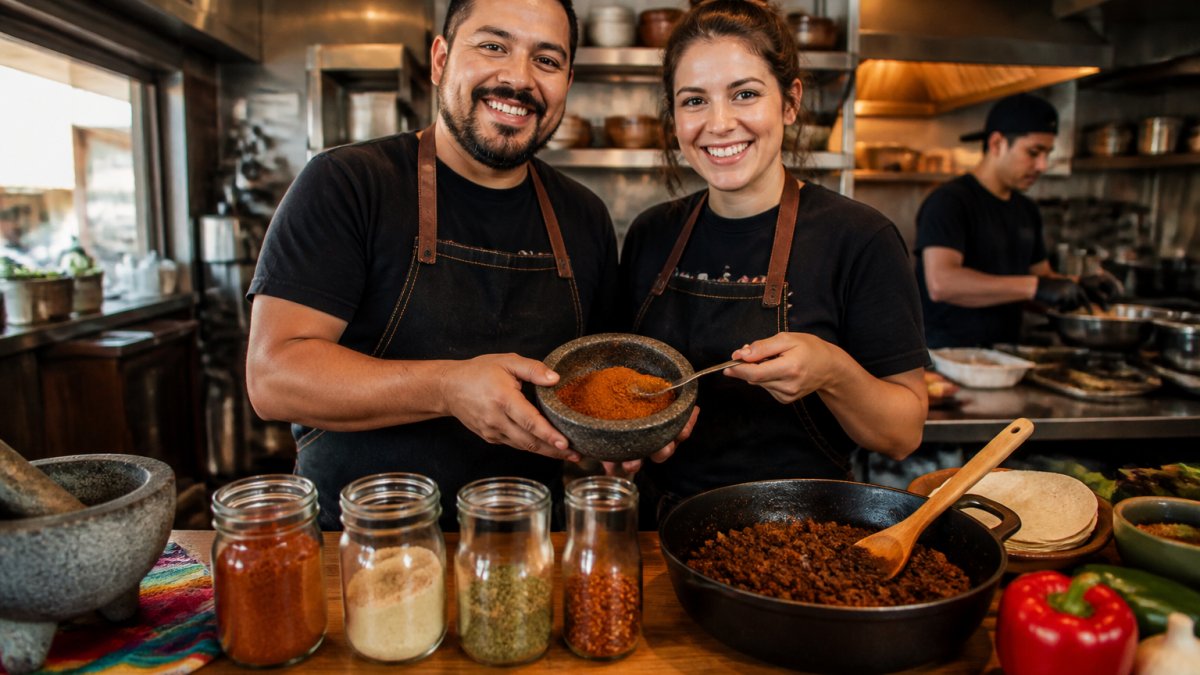
Ingredient verification: Before you prepare a dish, verify that every ingredient is safe. Check labels. Do not assume a sauce is dairy-free because it looks light; many sauces, dressings, and seasonings contain hidden allergens. At The Corner Kick Cantina, our scratch kitchen gives us control over ingredients.
High-volume concession and suite controls: Stadium and arena concessions add risks that a restaurant kitchen does not face: shared serving lines, bulk packaging, pre-wrapped items, and handoffs between vendors. Concrete steps that work in that environment include:
- Keep allergen-aware items in sealed, labeled packaging until the moment of service, and open them with a clean utensil.
- Use dedicated tongs, scoops, and ladles for allergen-free items, and store them in separate containers rather than in the same crock.
- Assign one staff member per shift to handle allergy orders end to end, so the ticket does not pass through multiple hands.
- Wipe down prep surfaces and serving counters between rushes, not just at close.
- Store common allergens (nuts, sesame, shellfish, dairy) in labeled bins away from allergen-free prep areas.
takeaway In a sports venue, cross-contact control is a line-design problem, not a reminder problem. Build the separate tools, separate fryers, and separate handoffs into the workflow before the gates open.
Food Allergy Meal Planning for Groups and Events
When you're planning a meal for a group, whether it's a corporate watch party, a family celebration, or a team event, you need a strategy that accommodates allergies without creating separate, obviously different meals for people with restrictions.
Gather information early: Send a registration form or email asking about allergies at least two weeks before the event. Give people a deadline to respond. Late responses make planning harder.
Plan flexible menus: Design a menu where most items work for most people, but alternatives exist. Instead of a single entrée, offer two options. One might be naturally allergen-free; the other can be modified.
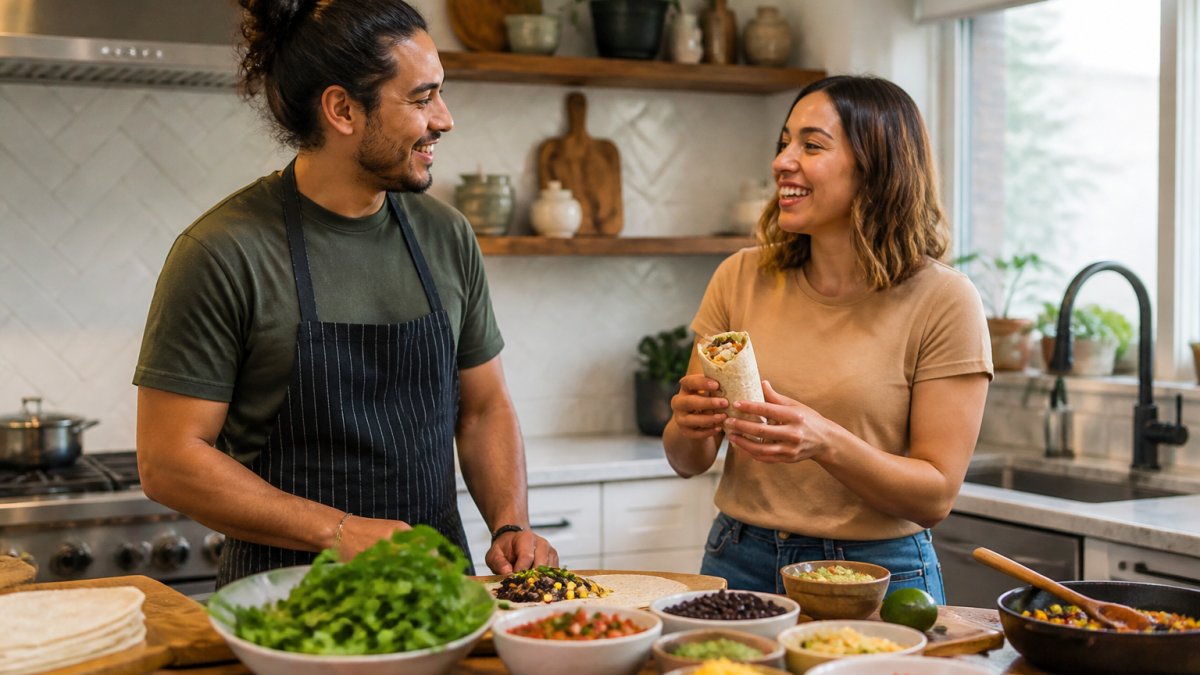
Example: serve grilled chicken with two sauce options, one dairy-free, one with cream. Serve rice and vegetables that work for everyone. This way, people with dairy allergies eat the same meal as everyone else; they just skip one sauce.
Communicate clearly: Label dishes with allergen information. Use simple signs: "Contains nuts," "Dairy-free," "Gluten-free." This helps guests self-identify safe options and reduces the need for constant staff interaction.
Have backup options: If someone has an allergy you didn't plan for, have simple, safe fallback items available. A plain grilled protein, rice, and vegetables can work for most allergies in a pinch.
Separate preparation: If you're serving a large group with multiple allergies, prepare allergen-free portions separately from the start. Don't prepare one big batch and try to separate it later, that's when cross-contact happens.
Staff Training and Allergy Response Protocols
Your team is your first line of defense. Staff training on allergies is the difference between a smooth, safe experience and a crisis, and in a sports venue the training has to cover not just how to take an order but what to do when the game-day crowd, the concession line, and the clock are all working against you.
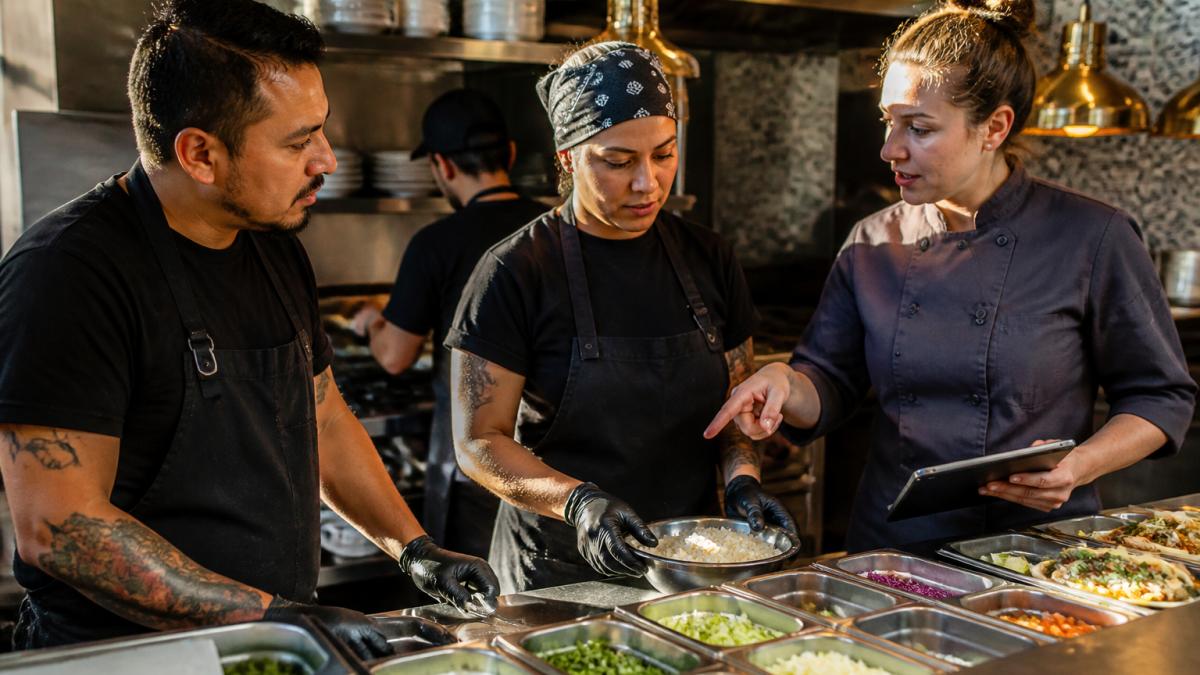
Training topics: Every staff member who touches food or takes orders needs to understand the basics. Train them on:
- What a food allergy is and why it is serious
- The difference between an allergy and an intolerance
- How to ask about allergies without making it awkward
- How to communicate allergies to the kitchen
- What cross-contact means and how to prevent it
- Where emergency supplies are stored (first aid kit, phone for emergency services)
Role-specific training: Servers need to know how to ask, write clearly, and verify. Kitchen staff need to know how to prevent cross-contact. Managers need to know how to respond if someone has a reaction.
Practice scenarios: Run through common situations: "A guest says they have a shellfish allergy. Walk me through what you do." Practice builds confidence and catches gaps in your process.
Update training regularly: Food allergies are not a one-time training topic. Review protocols quarterly. Bring in new staff with dedicated allergy training before they work their first shift, and re-brief the team before high-volume events like rivalry matches and watch parties.
Emergency response and escalation: Make sure staff know the location of emergency supplies and how to call 911. If someone shows signs of an allergic reaction, difficulty breathing, swelling, chest pain, do not wait. Call for help immediately.
A guest experiencing anaphylaxis needs emergency medical attention now, not a discussion about what they ate. Know your venue's emergency plan and practice it.
Training is not a binder on a shelf. It is a rehearsed sequence: ask, write, verify, hand off, and escalate. Practice it until it is automatic.
Frequently Asked Questions
What questions should I ask a sports bar about food allergies?
Ask about ingredient sourcing, preparation methods, and cross-contact procedures. Request a detailed ingredient list for dishes you're interested in, inquire about allergen labeling systems, ask how the kitchen handles separate preparation, and confirm whether staff receive allergy training. Ask about the venue's policy on outside food for medical exceptions and whether they can guarantee allergen-free meals. Understanding these practices helps you make informed decisions about dining safely.
How can sports dining venues reduce cross-contact when preparing meals?
Venues should use dedicated prep areas, utensils, and cutting boards for allergen-free meals. Staff must wash hands and change gloves between handling allergen-containing and allergen-free foods. Separate fryers or oil for allergen-free items prevents airborne particles from contaminating dishes. Kitchen teams should follow a logical workflow that processes allergen-free meals first or in isolation. Clear labeling of all ingredients and finished plates, combined with verbal communication between front-of-house and kitchen staff, ensures nothing gets mixed up during high-volume service.
How should I communicate a food allergy to restaurant staff?
Inform your server in advance, not when ordering. Be specific about what you're allergic to and mention severity. Ask the server to relay the information directly to the kitchen manager or chef, not just leave a note on the ticket. Request confirmation that your meal will be prepared separately and handled with care. For group events, provide written allergy information to the venue coordinator at least one week ahead. Follow up with a phone call closer to your event date to confirm preparations and address any last-minute questions.
What should I do if a restaurant cannot safely accommodate my allergy?
Thank the staff for their honesty and do not eat there. A venue that admits it cannot guarantee safety is being responsible. No meal is worth risking a serious allergic reaction. Look for alternative venues that have documented allergy protocols, trained staff, and separate preparation areas. If you're attending a group event at a venue you're unsure about, contact the organizer early to discuss options or bring your own safe meal if the venue permits outside food for medical reasons.