 how-to
7 Steps to Organize a Breakfast Burrito Bar for Events
Last Updated: November 1, 2026
Quick Summary
To organize a breakfast burrito bar for events, plan your menu with a base, two or three proteins, and six to eight toppings, then buy by component using about 1.5 burritos per guest. Set up stations in serving order, keep hot foods at 140°F or above, and keep cold toppings chilled.
- Plan roughly 1.5 burritos per guest, then round up to cover seconds.
- Buy 1.5 to 2 tortillas per guest and 1.5 to 2 eggs per burrito.
- Limit toppings to six to eight options so the line keeps moving.
- Hold cooked eggs, sausage, and potatoes at 140°F or above.
- Use two stations for groups of 25 or more to avoid long waits.
Table of Contents
- Planning the Breakfast Burrito Bar Menu
- Estimating Breakfast Burrito Bar Food Quantities
- Setting Up the Breakfast Burrito Bar Stations
- Food Safety and Temperature Control at the Bar
- Managing Guest Flow and Staffing for a Crowd
- Building Your Event-Day Timeline and Budget
- Booking Your Event With The Corner Kick Cantina
- Frequently Asked Questions
Hosting a breakfast burrito bar for your next event is one of the easiest ways to feed a crowd, and the good news is you don't need a professional kitchen to pull it off. We've put together a practical, step-by-step guide to help you organize a breakfast burrito bar for events of any size. For a broader walkthrough, see complete hosting guide for a DIY taco bar party.
Planning the Breakfast Burrito Bar Menu
Start with your menu, because every other decision depends on it. A solid breakfast burrito bar gives guests a base, a few protein choices, and enough toppings to customize their own burrito.
Choosing Proteins, Eggs and Vegetarian Fillings
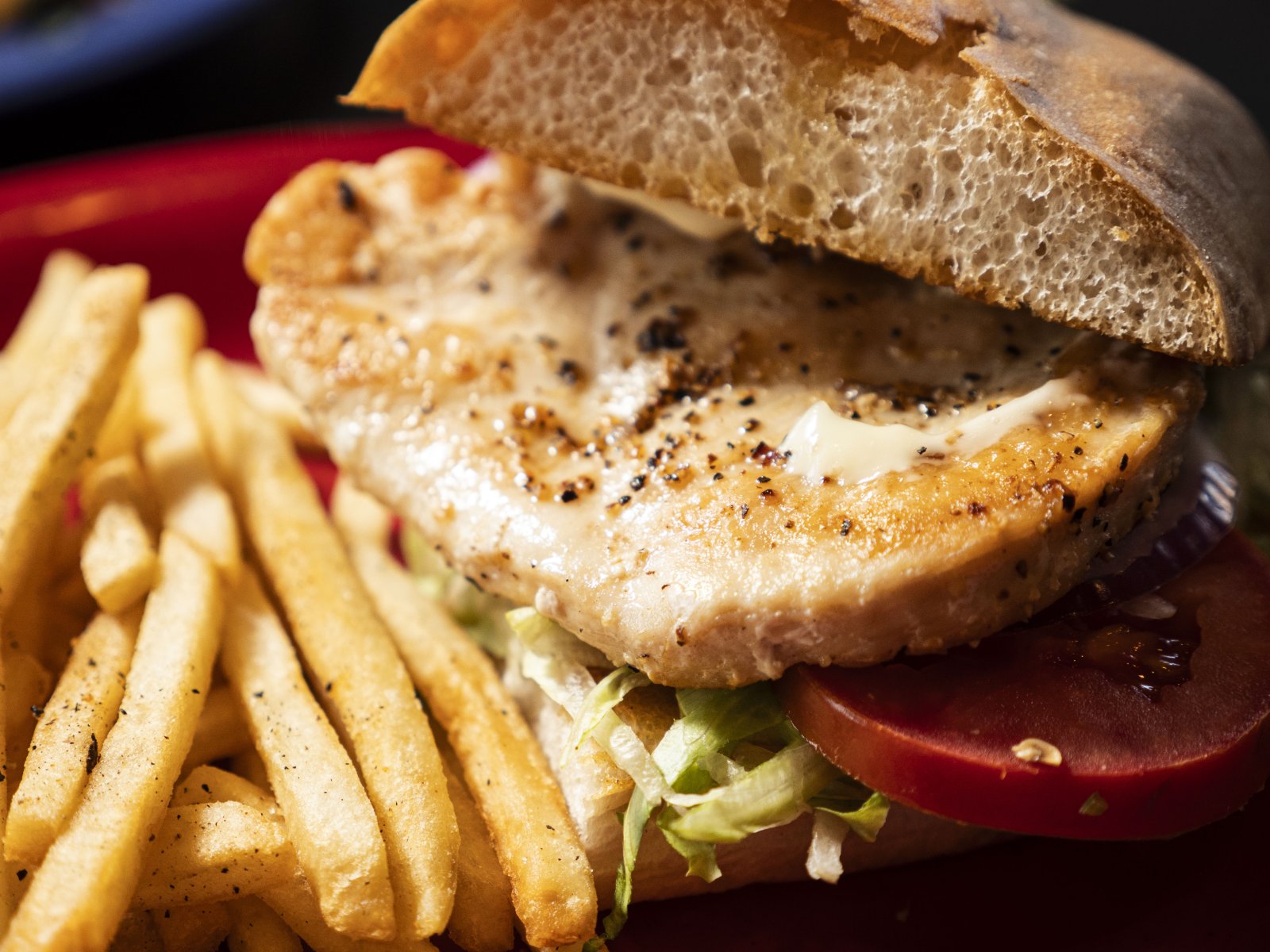
Pick two or three proteins and keep the list manageable. Scrambled eggs, breakfast sausage, and crispy potatoes are crowd favorites. Make sure at least one option works for vegetarian guests.
- Scrambled eggs, cooked in large batches
- Breakfast sausage or chorizo for meat eaters
- Black beans or sautéed peppers and onions for vegetarian fillings
- Hash browns or diced potatoes for a hearty base
Always ask guests about dietary preferences ahead of time, and label each dish clearly.
Toppings, Sauces and Garnishes
Toppings turn a simple burrito into something special. Offer a mix of fresh and savory options so guests can build their own combinations.
- Shredded cheese, such as cheddar or Monterey Jack
- Salsa in mild, medium, and hot versions
- Sour cream, guacamole, or a simple crema
- Fresh cilantro, sliced jalapeños, and diced onions
Set out no more than six to eight toppings. Too many choices slow the line down.
Estimating Breakfast Burrito Bar Food Quantities
Getting quantities right prevents both running out and wasting food. A common planning guide is to expect each guest to eat about one to two burritos, depending on the rest of the menu and the length of the event.
Use this simple formula to plan:
Total burritos = guest count × 1.5, then round up.
For example, a party of 40 guests needs about 60 burritos. Plan for extra tortillas and fillings, since guests often come back for seconds.
Component-by-Component Quantities
A burrito bar fails when one ingredient runs out before the others. Plan each component separately using these working ratios:
- Tortillas: Buy 1.5 to 2 tortillas per guest. For 40 guests, that means 60 to 80 tortillas. Buy an extra pack; leftover tortillas freeze well.
- Eggs: Plan 1.5 to 2 eggs per burrito. For 60 burritos, scramble 90 to 120 eggs. A standard large egg weighs about 2 ounces, so 120 eggs is roughly 15 pounds.
- Protein (sausage, chorizo, or bacon): Plan 2 to 3 ounces per burrito, or about 1 pound of protein for every 4 to 5 guests. For 40 guests, buy 8 to 10 pounds.
- Potatoes or hash browns: Plan 2 to 3 ounces per burrito. A 5-pound bag of frozen hash browns yields roughly 20 to 25 servings.
- Cheese: Plan 1 to 1.5 ounces per burrito. For 60 burritos, buy 4 to 6 pounds of shredded cheese.
Adjusting for Event Length and Meal Role
A breakfast burrito bar that runs for two hours during a brunch will see different consumption than a four-hour open house. If the bar is the main meal, use the higher end of every range. If it is one station among several, use the lower end and reduce total burritos by about 20 percent.
Write your numbers down on a planning sheet so the shopping list matches the headcount. A simple spreadsheet with columns for guest count, burritos, and each component will keep you from overbuying one item and forgetting another.
Here is a quick reference of the per-burrito planning ratios covered in this section.
| Component | Planning ratio | Example for 60 burritos |
|---|---|---|
| Tortillas | 1.5 to 2 per guest | 60 to 80 tortillas for 40 guests |
| Eggs | 1.5 to 2 per burrito | 90 to 120 eggs (about 15 lb) |
| Protein (sausage, chorizo, bacon) | 2 to 3 oz per burrito | About 1 lb per 4 to 5 guests |
| Potatoes or hash browns | 2 to 3 oz per burrito | 5 lb bag yields 20 to 25 servings |
| Cheese | 1 to 1.5 oz per burrito | 4 to 6 lb shredded cheese |
| Salsa and sauces | 2 to 3 tbsp per burrito | 5 to 6 jars (16 oz each) |
| Toppings (cilantro, jalapeños, onions) | 1 to 2 tbsp per burrito | 1 bunch cilantro, 2 to 3 jalapeños per 20 guests |
Setting Up the Breakfast Burrito Bar Stations
Layout matters as much as the food. A clear station design keeps the line moving and prevents crowding at the toppings.
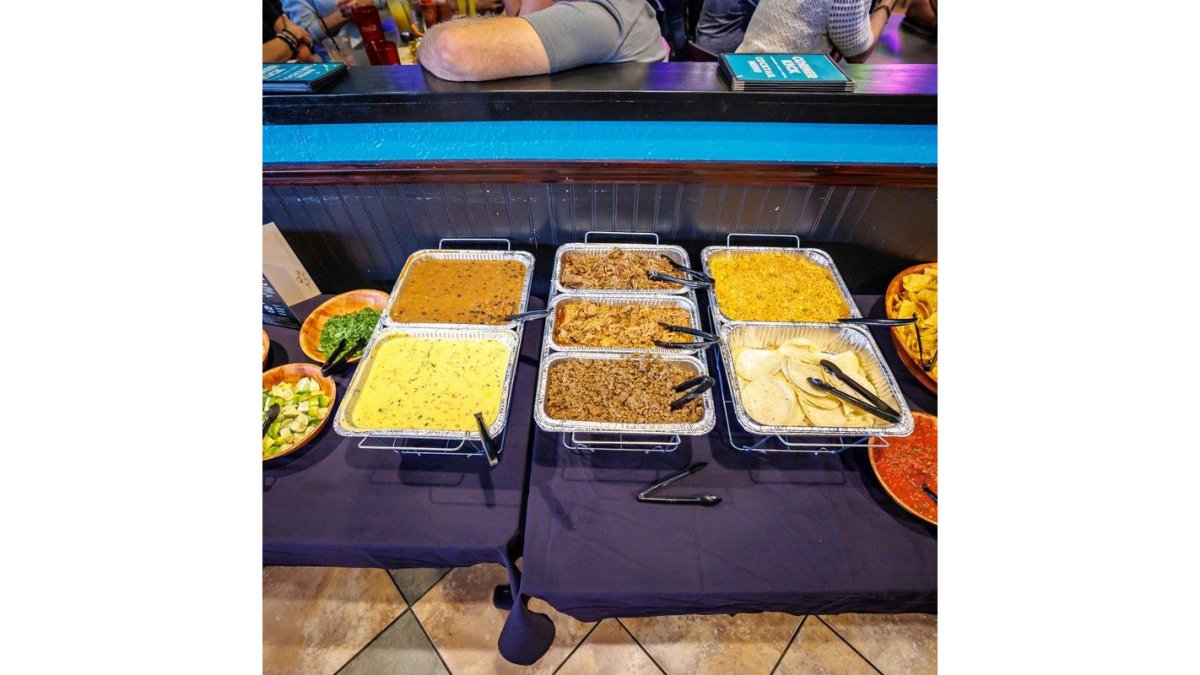
!Guests at a buffet-style breakfast burrito station filling warm tortillas with eggs, potatoes and toppings from stainless steel serving trays
Arrange your stations in the order guests will move through them: tortillas first, then proteins, then toppings, and finally sauces and garnishes. Efficient flow remains just as vital when you order group office drinks to complement your morning spread.
Watch out: if you place the hot proteins next to cold toppings, condensation and crowding can slow the line.
Food Safety and Temperature Control at the Bar
Food safety is the part of the plan people most often skip, and it's the part that matters most. Keep hot foods hot and cold foods cold throughout the event. The U.S. Food and Drug Administration publishes detailed guidance on safe holding temperatures and food handling for events, and it's worth reviewing before you serve. For guidance on keeping food safe at a gathering, check the FDA Food Code guidance on food holding temperatures before the day arrives.
Holding Hot Foods Safely
- Hold cooked eggs, sausage, and potatoes at 140°F or above. Use a chafing dish with a water pan, or an electric warming tray, and check the temperature with a probe thermometer regularly.
- Do not stack chafing dishes directly on top of each other; leave space for steam to escape and for guests to serve themselves without reaching over hot surfaces.
- Refill serving dishes in small batches instead of letting large pans sit out. A common pattern is to keep backup pans in a low oven (around 200°F) and swap them in when the serving pan drops below 140°F.
- Discard any perishable food that has been out for too long, following the time limits in official food safety guidance.
Keeping Cold Toppings Cold
- Keep cold toppings like sour cream, guacamole, diced onions, and salsa chilled on ice trays or in nested pans with ice. Set the cold station away from the hot chafing dishes so radiant heat does not warm the toppings.
- Do not leave dairy-based toppings in direct sunlight. If you are serving outdoors, use a shaded table or a pop-up canopy.
- Replenish cold toppings from the refrigerator in small batches rather than setting out the full container at once.
Preventing Cross-Contact and Labeling Allergens
Label dishes that contain common allergens such as dairy, eggs, and gluten. Use small tent cards or chalkboard labels that list the item and its major allergens. Keep separate serving utensils for each item to prevent cross-contact; color-coded handles (for example, red for meat, green for vegetarian) make it easy for guests and helpers to grab the right tool. If you offer a gluten-free option, use a separate tortilla warmer and separate tongs, and place it at the end of the line so crumbs from wheat tortillas do not migrate into the gluten-free container.
Equipment Checklist for Safe Holding
- Chafing dishes with water pans and fuel cans (one per hot item, plus one backup)
- Probe thermometer
- Ice trays or nested pans for cold items
- Small batch pans for replenishment
- Color-coded tongs and serving spoons
- Allergen labels and tent cards
A simple routine, check temperatures every 30 minutes, swap pans in small batches, and keep raw and ready-to-eat items separate, prevents most food safety problems at a breakfast burrito bar.
Managing Guest Flow and Staffing for a Crowd
A breakfast burrito bar works best when guests can move through the line without waiting. For groups of 25 or more, plan for two stations so the line doesn't stall.
Assign one or two people to keep the stations stocked and clean. Their job is to refill tortillas, swap out empty pans, and wipe spills. Without that help, the host ends up spending the whole event in the kitchen.
Set the start time so the peak rush does not overlap with the main event. Most guests line up in the first 20 to 30 minutes, so open the bar at a steady pace rather than all at once.
Building Your Event-Day Timeline and Budget
Good timing keeps the food fresh and the host calm. Work backward from the serving time.
- One to two days before: Confirm guest count, buy non-perishable items, and make the shopping list.
- Day before: Chop vegetables, cook potatoes, and prepare sauces. Store everything in labeled containers in the fridge.
- Morning of: Cook the eggs and proteins, warm the tortillas, and set up the stations.
- One hour before: Fill the serving dishes and check temperatures.
Budget for ingredients, serving supplies, and extras such as paper goods and ice. Your ingredient costs depend on your guest count, your menu, and where you shop, so build your own estimate from local grocery prices rather than relying on a set figure. Plan for a small buffer, since unexpected guests and spills happen at every event.
Booking Your Event With The Corner Kick Cantina
If you'd rather leave the cooking and setup to a professional team, The Corner Kick Cantina offers catering options for events of any size. Our kitchen serves all-natural meats and locally made yellow maiz tortillas.
Pricing depends on guest count, date, and delivery details, so contact us directly for a quote. Visit our website to check availability. Book today and let us take care of the food while you enjoy the party.
Frequently Asked Questions
What do you need for a breakfast burrito bar?
A breakfast burrito bar needs a tortilla station with warmers, hot holding equipment for proteins and eggs, cold storage for fresh toppings, serving utensils for each item, clearly labeled signage, plates or wrapping paper, and a sturdy table layout that lets guests move in one direction. Chafing dishes or insulated holding cabinets keep hot items safe, while sheet trays of cold toppings can sit on ice. Plan for a clean hand-washing spot and trash and recycling bins near the exit so the line keeps moving.
How much food should you plan per person for a breakfast burrito bar?
Most planners start with one to two burritos per guest for a breakfast event where burritos are the main dish, and add a side such as fruit or potatoes if guests may want more. Increase the count for early-morning events or groups with many active eaters, and reduce it when there are other breakfast options. Confirm the final count with your caterer or kitchen, and plan a small surplus of tortillas and proteins since these run out first.
How do you keep breakfast burrito bar food warm and safe?
Keep hot proteins, eggs and potatoes hot using chafing dishes, warming trays or holding cabinets, and check temperatures with a food thermometer regularly. Keep cold toppings such as diced tomatoes, cheese and salsa chilled in pans set over ice. Refill hot trays from the kitchen in small batches rather than letting one large tray sit for hours, and discard any food that has been out of temperature control too long.
How can you accommodate vegetarian or gluten-free guests at a burrito bar?
Offer a separate vegetarian protein such as black beans, sauteed peppers or plant-based crumbles, and keep those items on their own spoons and trays to prevent cross-contact with meat. For gluten-free guests, provide corn tortillas or a gluten-free wrap option and label each item clearly, including sauces that may contain wheat. Print a simple ingredient card at the station so guests with dietary needs can check what they are choosing without asking staff.