 how-to
Optimizing Restaurant Seating for Game Day Crowds
Table of Contents
- Build a Restaurant Floor Plan for Busy Nights
- Game-Day Restaurant Reservations and Waitlist Management
- Conclusion
- Frequently Asked Questions
Last Updated: October 20, 2026
Build a Restaurant Floor Plan for Busy Nights
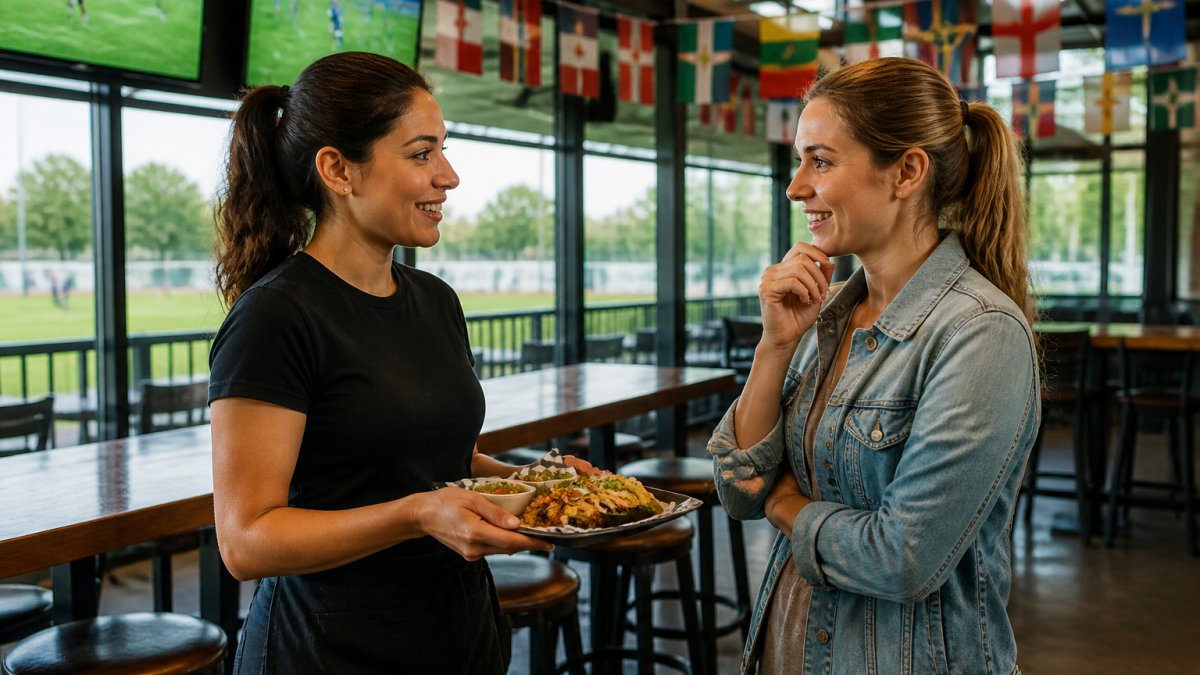
Optimizing restaurant seating for game day crowds starts with a floor plan built for movement, not just capacity. We treat our dining room like a stadium concourse: wide aisles, angled tables, and clear sightlines to every screen.
Here's how we approach it at The Corner Kick Cantina.
- Angle tables toward screens so every seat has a view
- Keep aisles wide enough for servers carrying trays
- Group large tables near the back wall
- Leave standing room near the bar for overflow
- Cluster high-tops for quick-turn groups
A packed room with narrow aisles slows service and invites spills. Wide lanes keep food moving fast.
Game-Day Restaurant Reservations and Waitlist Management
Game-day restaurant reservations work best with timed seatings and a waitlist that keeps guests informed. We stagger bookings so the kitchen never gets slammed all at once.
A simple system beats a complicated one:
- Offer timed seatings around kickoff
- Text guests when their table is ready
- Hold a few tables open for walk-ins
- Seat large groups first to free up space
Waitlist management is about honesty. Tell people the real wait, then beat it.
Conclusion
A busy game day tests your floor plan, your reservations, and your patience. At The Corner Kick Cantina, we built our space around fast service and clear sightlines, with scratch-made Mid-West Mex food and a curated tequila list to match. Book today and let us handle the crowd while you watch the match.
Frequently Asked Questions
How should a restaurant arrange seating for a game-day crowd?
Angle tables toward the screens and keep every seat with a clear sightline to at least one TV. Group four-tops into flexible clusters so you can convert them for larger parties, and leave aisles wide enough for servers to pass with trays. Test the game day seating layout before the rush: walk every row, sit in the corner seats, and confirm no column or divider blocks the view. A floor plan that works on a slow Tuesday often fails when the room is full, so rehearse it under pressure.
How can restaurants manage walk-ins and reservations during a big game?
Take game-day reservations for groups of six or more and hold a block of tables for walk-ins. Use a waitlist app that texts guests when their table is ready, and quote realistic times based on the match schedule. Seat reservations first, then fill gaps with walk-ins as parties leave. Keep a visible host stand with a clear queue, and train staff to explain the waitlist process in one sentence. This mix keeps the room full without turning away spontaneous fans.
How can a restaurant reduce wait times during a game-day rush?
Pre-set tables with menus, condiments, and silverware before the doors open. Simplify the menu to high-speed items like tacos, burritos, and shareable platters, and batch-prep ingredients ahead of kickoff. Assign a dedicated runner to keep aisles clear and a busser focused on turning tables within two minutes of a party leaving. For large groups, take orders at the table and use handheld POS devices to send tickets straight to the kitchen. These steps cut the gap between seating and first bite.