 how-to
How to Make Authentic Midwest Mex Salsa
Table of Contents
- What Makes Authentic Mid-West Mex Salsa Different
- Essential Homemade Salsa Ingredients
- Step-by-Step Restaurant-Style Salsa Recipe
- How to Make Salsa Less Watery and More Flavorful
- How Long Homemade Salsa Lasts and Storage Tips
- Common Mistakes to Avoid
- Frequently Asked Questions
Last Updated: October 8, 2026
What Makes Authentic Mid-West Mex Salsa Different
Midwest Mex salsa fuses authentic Mexican technique with regional comfort-food sensibility. The best mid-west mex salsa balances bold, fresh flavors with approachable ingredients you can find year-round.
The key difference is ingredient choice and preparation.
What sets it apart is balance. A proper mid-west mex salsa tastes fresh and alive, each ingredient distinct but working together: tomato shines, heat builds gently, and cilantro and lime brighten without overpowering.
Essential Homemade Salsa Ingredients
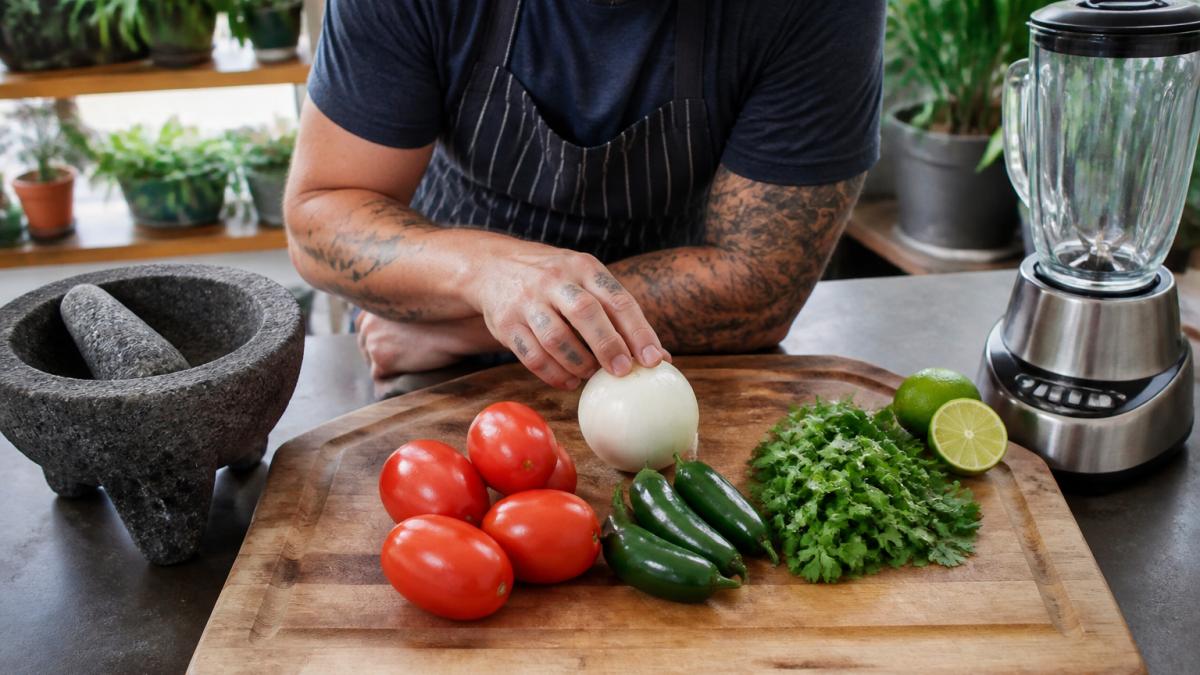
Making homemade salsa starts with understanding what each ingredient does. You don't need twenty items, you need the right ones, in the right proportions, prepared the right way. Here's a working list of ingredients, plus substitutions that keep it tasting right year-round.
Tomatoes: Roma, Fire-Roasted, or Fresh
Tomatoes are the foundation of any salsa. Roma tomatoes are the classic choice: fewer seeds, less water, and denser flesh than beefsteak varieties, so your salsa won't turn into tomato soup.
Fresh Roma tomatoes work best when ripe and flavorful. In winter or early spring, fire-roasted canned tomatoes are a legitimate choice, they add depth and a subtle smoky note that works beautifully in midwest mex salsa.
The choice between fresh and canned isn't about authenticity, it's about what tastes better right now. A good rule: if you wouldn't eat the tomato raw with salt, don't put it in salsa.
Substitutions:
- Canned fire-roasted (such as Muir Glen or Hunt's fire-roasted), drain and gently squeeze before blending. Best winter option.
- Canned whole peeled, drain, then char under the broiler for a few minutes to add back some depth.
- Cherry or grape tomatoes, sweeter and firmer; halve them and skip the char if you want a brighter, pico-style result.
- Tomato paste, not a tomato substitute, but a thickener and flavor booster when fresh tomatoes are watery.
Chiles: Jalapeño, Serrano, and Heat Control
Jalapeños are the workhorse chile for midwest mex salsa: mild enough for most people, flavorful enough to matter, and available everywhere. One to two medium jalapeños per batch gives gentle warmth without overshadowing everything else.
Serranos are hotter and slightly more vegetal. A single serrano can replace a jalapeño if you want to turn up the heat.
Heat control comes down to seeds and the white membrane inside the chile. Most of the heat lives there. Remove them for milder salsa. Keep them for more kick.
Chile substitutions and what they do:
- Jalapeño, grassy, bright, mild-to-medium heat. The default.
- Serrano, sharper, more vegetal, roughly twice the heat of a jalapeño.
- Poblano, very mild, earthy. Good when you want chile flavor without heat.
- Chile de árbol (dried), nutty, toasty, and noticeably hotter. Toast briefly in a dry skillet, then rehydrate in hot water before blending.
- Chipotle in adobo (canned), smoky and moderately hot. One pepper adds a whole different character; use sparingly.
- Hatch or Anaheim, seasonal, mild, and a natural fit for a Midwestern table in late summer.
A common pattern is to combine one fresh chile for brightness with one dried chile for depth. That two-chile approach is what gives restaurant-style salsa its layered heat.
Onion, Garlic, Cilantro, and Lime
White onion is the standard for salsa, sharper and cleaner than yellow or red. Use about half a medium white onion per batch.
Garlic should be fresh and minced fine, two cloves is usually right.
Cilantro brings brightness, a generous handful, about one-third to one-half cup loosely packed. If you hate cilantro, use flat-leaf parsley instead.
Lime juice is non-negotiable, fresh, not bottled. One lime usually yields enough for a batch; the acid brings everything into focus and keeps the salsa tasting fresh.
Salt matters more than people expect. Use kosher or fine sea salt, not iodized table salt, which can taste metallic.
Step-by-Step Restaurant-Style Salsa Recipe
This method takes about ten minutes total.
Step 1: Prepare and Char Your Ingredients
Start with whole tomatoes, chiles, and onion. Leave fresh Roma tomatoes whole; drain canned fire-roasted tomatoes well.
Place tomatoes, jalapeños (or serranos), and onion directly on a gas flame or under the broiler for two to three minutes per side. You want light charring, not blackened, just kissed with heat, which brings out natural sugars and adds subtle depth.
No gas stove? A hot cast iron skillet works, char the tomatoes and chiles a minute or two per side to soften them slightly and add color.
Let everything cool for a minute so it's easier to handle and the flavors settle.
Step 2: Combine and Blend to Your Texture
Transfer charred tomatoes, chiles, and onion to a blender or food processor. Add minced garlic, cilantro, and lime juice. Pulse, don't fully blend.
This is where your preference matters: pulse five or six times for chunky salsa, ten to twelve for smoother. Restaurant-style usually sits in the middle, some texture, some body, not pureed.
No blender? A molcajete (traditional Mexican mortar and pestle) works beautifully, slower, but more control over texture.
Step 3: Season and Taste
Transfer to a bowl. Add salt, start with one-quarter teaspoon and taste. Salsa needs more salt than you think. It brings out all the other flavors.
Taste and adjust: more heat? A pinch of cayenne or diced jalapeño. More brightness? More lime. More body? A tablespoon of tomato paste.
Let it sit for five minutes before serving. The flavors marry and deepen.
How to Make Salsa Less Watery and More Flavorful
Watery salsa is the most common mistake, tomatoes release water once they're cut or blended.
The fix starts with tomato choice: Roma tomatoes have less water than other varieties. With canned tomatoes, buy fire-roasted and drain thoroughly, squeezing gently in a fine-mesh strainer to remove excess liquid.
For fresh tomatoes, dice and let them sit in a strainer over a bowl for ten minutes before blending, removing water before it dilutes your salsa.
Already watery? Add one tablespoon of tomato paste, it thickens the salsa and intensifies tomato flavor without tasting like paste.
Flavor comes from salt, acid, and ingredient quality. Many people under-salt salsa, salt isn't just about taste, it amplifies every other flavor.
How Long Homemade Salsa Lasts and Storage Tips
This is the section most salsa recipes skip, and the one that decides whether your batch is still good on game day.
Refrigerator Life
Homemade salsa made with fresh ingredients is best within three to four days and safe for up to about a week if kept cold the whole time. Lime juice and salt slow spoilage but don't stop it. Fresh cilantro and raw onion lose their brightness first, usually by day two or three, even though the salsa is still safe.
Store it in an airtight container in the coldest part of the fridge, not the door, which warms every time someone grabs a drink. Glass or lidded plastic both work; glass doesn't hold onto smells.
What Changes Over Time
Texture is the first thing to go. Tomatoes keep releasing water after they're cut, so a salsa thick on day one will be noticeably thinner by day three. This is normal, stir before serving and pour off any pooled liquid.
Flavor shifts too: raw garlic and onion get sharper as they sit while cilantro fades, so a salsa balanced on day one can taste harsh and garlicky by day four. If making it ahead, go lighter on raw garlic and add a squeeze of fresh lime before serving.
Make-Ahead Guidance
For a party or watch party, make salsa no more than four hours ahead for best results. Prepping further out? Make the base (tomatoes, chiles, onion, garlic, salt, lime) up to two days ahead, refrigerate, then stir in cilantro and a fresh squeeze of lime just before serving.
For a large batch, nest the serving bowl in a larger bowl of ice. Salsa left out more than two hours should be discarded, the same rule as any perishable food.
Freezing
Freezing works but changes texture: tomatoes turn mushy and cilantro goes dark and limp. If you must freeze, blend smooth first and freeze in small portions. Frozen salsa keeps about three months; thaw overnight in the refrigerator and stir well. It's fine for cooking, simmering into a sauce, stirring into eggs, spooning over a burrito bowl, but not the same as fresh for dipping.
Canning and Longer Storage
For shelf-stable salsa, you're in canning territory. Water-bath canning is only safe for high-acid recipes, and salsa sits right on the line. The USDA and the National Center for Home Food Preservation publish tested salsa recipes formulated for water-bath canning, don't just scale up a fresh recipe, since the acid level may not be high enough. Not set up for canning? Freezing is safer.
Quick Reference
Storage Method | How Long | Best For |
|---|---|---|
Refrigerator, airtight | 3-4 days best, up to 1 week safe | Everyday dipping |
Make-ahead base (no cilantro) | Up to 2 days | Parties and watch parties |
Freezer, blended smooth | About 3 months | Cooking, not dipping |
Water-bath canned (tested recipe) | 12-18 months | Pantry stock |
Common Mistakes to Avoid
Using low-quality tomatoes. Mealy, flavorless tomatoes make mealy, flavorless salsa. If fresh ones aren't good, use canned fire-roasted.
Over-blending. Salsa should have texture. Blend until it's slightly chunky, not until it's tomato juice.
Under-seasoning. Taste as you go. Salsa needs salt. It needs acid. Don't be shy.
Using bottled lime juice. Fresh lime takes five minutes and transforms the flavor; bottled tastes flat and chemical.
Making it too spicy. Heat should enhance, not dominate. Start with one jalapeño and add from there.
Skipping the rest time. Let your salsa sit for five minutes after blending. The flavors settle and marry.
Making authentic midwest mex salsa at home is straightforward once you understand the fundamentals.
Frequently Asked Questions
What makes restaurant-style salsa taste so much better than homemade?
Restaurant-style salsa achieves its signature depth through charring or roasting ingredients, which builds complex flavors that raw ingredients alone cannot. Fresh, high-quality tomatoes (especially Roma or fire-roasted varieties), proper salt seasoning, and the right balance of lime juice create brightness. The key is using a blend technique that keeps some texture while creating a cohesive flavor, rather than over-processing into a smooth paste.
How long does homemade salsa last in the refrigerator?
Properly stored homemade salsa lasts 3 to 5 days in an airtight container in the refrigerator. If you use canned tomatoes or fire-roasted ingredients, it may last closer to 5 days. Fresh salsa made with raw tomatoes is best consumed within 3 days. Always check for signs of mold or off odors before serving. For longer storage, freeze salsa in ice cube trays for up to 3 months.
Why is my homemade salsa too watery?
Excess water comes from fresh tomatoes releasing liquid as they're chopped or blended. To reduce wateriness, dice tomatoes and let them drain in a fine-mesh strainer for 10 to 15 minutes before mixing. Use Roma tomatoes, which have fewer seeds and less juice than beefsteak varieties. Fire-roasted canned tomatoes are naturally drier and work well. Avoid over-blending, which breaks down cell walls and releases more liquid.
Should salsa ingredients be roasted or used fresh for authentic results?
Both methods work for authentic salsa, depending on your preference. Fresh ingredients create bright, zesty salsa with sharp flavors, while roasting or charring tomatoes, onions, and chiles adds depth and smokiness. Midwest Mex salsa often blends both approaches: charring tomatoes and chiles slightly while keeping cilantro, garlic, and lime fresh. Experiment with a 50/50 blend of fresh and charred components to find your balance.