 how-to
How to Host Corporate Events at Sports Bars
Table of Contents
- Why Sports Bars Work for Corporate Events
- Choosing the Right Venue for Your Corporate Event
- Building Your Corporate Event Planning Checklist
- Creating and Sending a Corporate Event Invitation Template
- Designing Your Sports Bar Event Schedule
- Planning Food, Beverages, and Catering
- Creative Sports Bar Private Event Ideas
- Executing Your Event and Managing Day-Of Details
- Frequently Asked Questions
Last Updated: October 12, 2026
Why Sports Bars Work for Corporate Events
Learning how to host corporate events at sports bars reveals why they're unexpected powerhouses, offering energy, casual comfort, and built-in entertainment conference rooms can't match.
A sports bar removes the stiffness from business meetings: your team relaxes, clients feel welcome, and live games create an energetic backdrop.
At The Corner Kick Cantina, scratch-made food, curated tequila, and live sports create an environment where business happens.
The key advantage: guests get a memorable experience, not just a meeting space.
Choosing the Right Venue for Your Corporate Event
Not every sports bar works for every corporate event. Size matters. Noise level matters. Food quality matters. Your venue choice sets the tone for the entire gathering.
Start by asking yourself these questions:
- How many people are you inviting?
- Do you need a private space or can you work with a semi-private area?
- What's your budget range?
- Will guests need to hear presentations or conduct conversations?
- What's the vibe you want, energetic and casual, or more professional?
Look for a space that fits your group without feeling cramped or empty, and ask about private event spaces, reserved seating, or off-peak booking.
Food quality is non-negotiable. Guests will judge your company partly by what they eat, so choose a venue that takes pride in what it serves.
Building Your Corporate Event Planning Checklist
A checklist is only useful if it forces the decisions that sink corporate events: money, contract terms, technology, accessibility, and run of show.
Use this as a working document you share with the venue's event manager. Fill in answers, not just checkmarks.
Corporate Objectives & Format
- Define the goal: team building, client entertainment, milestone celebration, or a working meeting
- Choose the format that fits the goal (see the section below on matching format to objective)
- Decide whether the event is open-invite or by-name guest list
- Set a success metric up front (attendance, spend per guest, satisfaction, or a team-engagement outcome)
Budget Categories to Price Out
- Food (per-person or consumption-based)
- Beverage (open bar, limited bar, drink tickets, or cash bar)
- Private or semi-private space fee, if any
- Minimum spend requirement and how it is calculated
- Staffing or gratuity/service charge, and whether it is taxable
- AV, screens, microphones, or presentation setup
- Decor, signage, name tags, and printed materials
- Contingency line for overages
Contract & Venue Terms to Confirm in Writing
- Deposit amount and when it is due
- Cancellation and rescheduling terms, including any deadline that triggers a forfeiture
- Final headcount deadline and how late additions are handled
- Whether tax and service charge are included in quoted figures
- Whether the space is exclusive or shared with regular patrons
- Insurance or certificate-of-insurance requirements, if any
Technology & Privacy
- Confirm AV inputs (HDMI, USB-C, wireless casting) and who operates them
- Test microphones and house sound before guests arrive
- Ask about guest Wi-Fi capacity and whether it is password-protected
- Identify a private screen or area if you are presenting confidential content
- Decide what should never appear on a shared screen
Accessibility & Inclusive Planning
- Confirm accessible entry, seating, and restrooms
- Ask about step-free routes to the reserved area
- Collect dietary restrictions and non-alcoholic preferences in the RSVP
- Plan seating so guests who are not sports fans can hold a conversation
- Confirm noise level in the reserved area during game time
Guest Management
- Final guest list with headcount
- RSVP tracking and dietary notes
- Seating or table assignments if needed
- Name tags or check-in list
- Direct contact for the event manager on the day of
Day-Of Logistics
- Arrival and setup time confirmed with the venue
- Signage or a greeter at the entrance
- Reserved seating marked before guests arrive
- Vendor or delivery coordination, if you are bringing anything in
- Contingency plan for late arrivals, a game running long, or a no-show presenter
Post-Event Follow-Up
- Capture attendance and spend per guest
- Send a thank-you note within 24-48 hours
- Share photos or a recap with attendees
- Log what worked and what to change next time
A checklist that covers money, contract, technology, and accessibility will do more for your event than one that only tracks RSVPs.
Creating and Sending a Corporate Event Invitation Template
Your invitation sets expectations, what to expect, when to arrive, and what to bring, which increases RSVP rates and reduces confusion.
Here's a template you can customize:
Subject: You're Invited: [Company Name] [Event Type] at [Venue Name]
Hi [Guest Name],
We're excited to invite you to [Event Name] on [Date] at [Time].
Event Details:
- Date: [Day, Month Date, Year]
- Time: [Start Time] - [End Time]
- Location: [Venue Name], [Address]
- Parking: [Parking info or directions]
What to Expect: We're gathering for [brief description: team celebration, client appreciation, product launch, etc.]. You'll enjoy great food, drinks, and the energy of live sports.
RSVP: Please confirm your attendance by [Date] by replying to this email or clicking [RSVP Link].
Dietary Restrictions: Let us know if you have any dietary preferences or restrictions so we can accommodate you.
Questions? Contact [Your Name] at [Email/Phone] with any questions.
Looking forward to seeing you there!
[Your Name] [Your Title] [Company Name]
Keep it short. Be specific about the date, time, and location. Make RSVP easy. Mention food and drinks, that's what people care about.
Designing Your Sports Bar Event Schedule
Your schedule keeps everything moving, prevents awkward silences, and ensures key moments land at the right time.
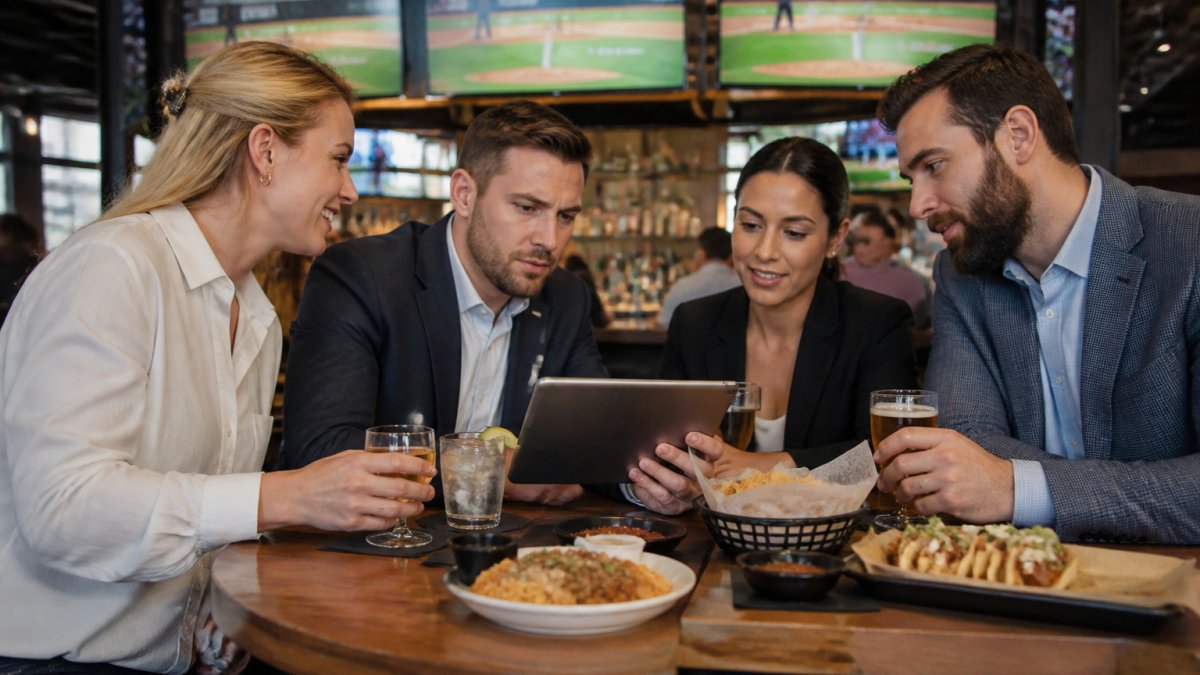
Start with an arrival window: give guests 15-30 minutes to settle in and grab drinks, then move into opening remarks.
Here's a sample two-hour event timeline:
- 6:00-6:15 PM: Guests arrive, order drinks and appetizers
- 6:15-6:30 PM: Welcome remarks and introductions
- 6:30-7:15 PM: Dinner service and casual networking
- 7:15-7:45 PM: Presentations or planned activities (if any)
- 7:45-8:00 PM: Closing remarks and wrap-up
If you're hosting during a major game, build your schedule around it. Start before the game begins. Schedule your main activities in the first half.
Communicate your schedule ahead of time, in the invitation or a separate agenda, so people know what to expect.
Planning Food, Beverages, and Catering
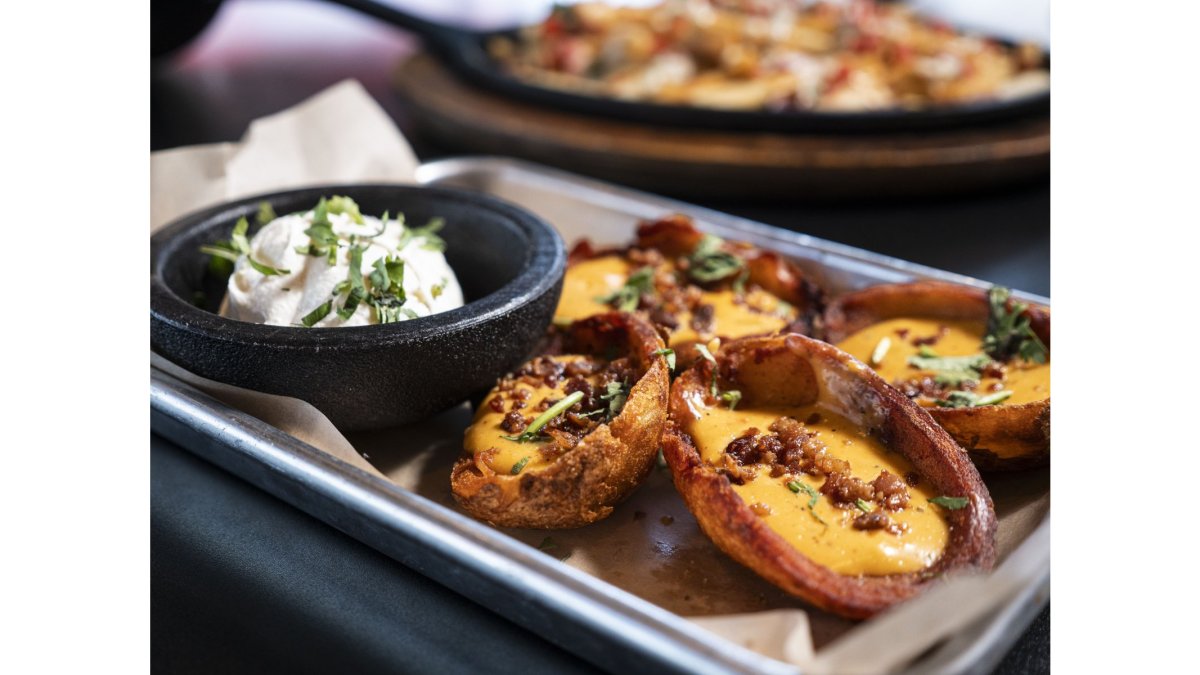
Food is the heart of any corporate event, and understanding how to host corporate events at sports bars means prioritizing quality, variety, and presentation. Quality matters. Variety matters. Presentation matters.
When planning your menu, think about your guests: if they're coming straight from work they'll be hungry, and portion sizes should match whether they're staying two hours or four.
Ask your venue about these catering options:
Appetizer-Style Service
Plated Service
Buffet Service
Bar Service
For a corporate event, we recommend a mix of appetizers and heartier options, with vegetarian and dietary-restriction-friendly choices.
Beverages should match your event vibe: wine and quality spirits for a client dinner, a full bar for a team celebration, and always non-alcoholic options.
Creative Sports Bar Private Event Ideas
Sports bars offer unique opportunities for corporate events. Use the sports atmosphere to your advantage.
Watch Party Events Host a watch party for a major sporting event and invite clients or team members.
Trivia Nights Organize a company trivia competition with teams and prizes.
Networking Mixers Use the casual atmosphere for networking. Invite industry contacts, partners, or potential clients. The sports bar vibe removes formality.
Client Appreciation Events Thank your best clients with an event they'll remember; great food, drinks, and entertainment show you value the relationship.
The venue's atmosphere does half the work; you just need good people and clear intentions.
Executing Your Event and Managing Day-Of Details
The day of your event is when planning pays off, or when the gaps show.
Arrival and Setup
Arrive 30-45 minutes early and walk the space with the event manager.
Staff Roles and Briefing
Assign clear roles before the event starts:
- A greeter at the entrance to direct guests to the reserved area
- A check-in person with the guest list and name tags
- A point of contact who stays with the event manager all night
- Someone responsible for AV and presentations
- Someone watching the room for empty plates, low drinks, and flagging energy
Brief everyone in one short huddle: confirm the timeline, the signal for starting remarks, and who handles guest questions.
Run of Show and Timing
Contingency Planning
Have a plan for the predictable problems:
- A guest arrives late and cannot find the group, a greeter solves this
- A presenter's laptop will not connect, test beforehand and have a backup file on a USB drive
- A game goes to overtime and the room gets loud, move remarks to a quieter area or pause them
- A dietary request was missed, confirm with the kitchen before service starts
- A no-show speaker or activity, have a short icebreaker or trivia round ready as a filler
Managing the Room
Watch the details guests don't see: water refills, cleared plates, clean tables, and volume that allows conversation.
Measuring the Event
Before the event ends, capture the numbers you'll want later:
- Actual attendance versus RSVPs
- Guest satisfaction, via a short follow-up survey
- Whether the objective was met (team engagement, client relationship, celebration)
These metrics turn a one-time event into a repeatable program and give you leverage when you book the next one.
Follow-Up Process
End on time, thank everyone, and make the close feel intentional so guests leave sensing the evening was planned, not improvised.
Frequently Asked Questions
How do you organize a corporate event at a sports bar?
Start by selecting a venue that fits your guest count and corporate objectives. Submit an event inquiry to the venue's event manager, discuss your budget and date, and confirm catering options. Build a planning checklist covering invitations, menu selections, event schedule, staff coordination, and day-of logistics. Communicate clearly with the venue about your needs, whether you need private space, screens for presentations, or a specific atmosphere. Regular check-ins with your event manager ensure smooth execution.
What activities work well for a corporate sports bar event?
Sports bar events thrive with activities that blend business and entertainment. Consider trivia competitions tied to your industry or sports, interactive games during downtime, or live sports viewing if a major game aligns with your event. Team-building activities work well in the relaxed atmosphere. You can also incorporate a brief presentation or recognition moment, then shift to casual networking over food and drinks. The key is balancing structured programming with plenty of time for attendees to connect informally.
How can you make a sports bar event inclusive for people who are not sports fans?
Focus on the food and social experience rather than just the games. Offer diverse menu options beyond typical bar fare, fresh, quality cuisine appeals to everyone. Create activity stations or games that don't require sports knowledge, like trivia about your company or industry. Provide quiet areas or side spaces where non-sports enthusiasts can network comfortably. Communicate in your invitation that the event is about team connection, not sports fandom. A venue that emphasizes quality food and atmosphere alongside sports viewing makes everyone feel welcome.
What should you include in a sports bar event invitation?
Your invitation should state the date, time, venue name, and address clearly. Include a brief description of the event's purpose and what attendees can expect (food, drinks, activities, games). Mention any dress code or special instructions. Provide RSVP details and a deadline. If the venue is unfamiliar, include parking information or directions. For corporate events, you might note whether spouses or guests are welcome, any dietary accommodations available, and who to contact with questions. A professional yet friendly tone sets the right expectation for a casual corporate gathering.