 how-to
Host a Family Dinner at a Local Pub: A Step-by-Step Guide
Table of Contents
- How to Host a Family Dinner at a Local Pub: The Basics
- How to Reserve a Table for a Large Party
- Selecting the Right Venue and Understanding Pub Layout
- Mid-West Mex Menu Options for Groups
- Large Group Dining Etiquette and Social Flow
- Planning Your Timeline and Coordinating with Staff
- Managing Budget, Deposits, and Payment
- Ensuring Accessibility and Inclusivity
- Frequently Asked Questions
Last Updated: August 29, 2026
How to Host a Family Dinner at a Local Pub: The Basics
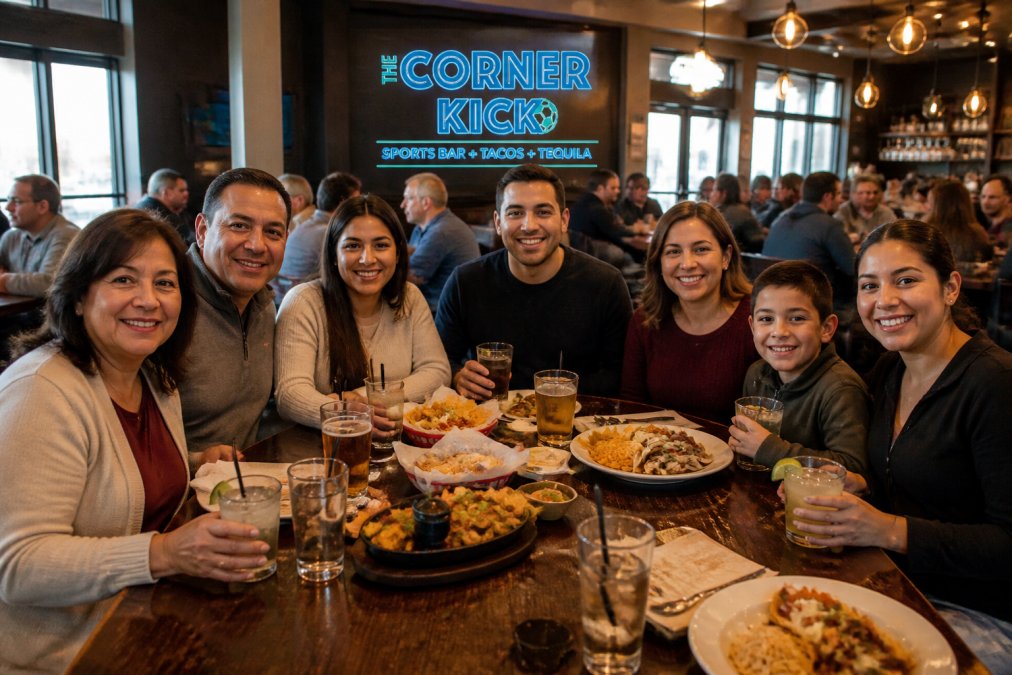
Hosting a family dinner at a local pub requires understanding how pubs operate differently than traditional restaurants. Their strength lies in atmosphere, community, and food that brings people together. At The Corner Kick Cantina, we've hosted everything from intimate gatherings to 40-person celebrations. The key to success comes down to three things: knowing what to ask for upfront, understanding the space, and coordinating timing so staff aren't overwhelmed.
This guide walks you through the entire process, from your first phone call to the moment your guests leave happy.
How to Reserve a Table for a Large Party
The biggest mistake people make is treating a pub reservation like a regular restaurant booking. Pubs don't always have dedicated private dining rooms, and their kitchen capacity works differently.
Timing Your Reservation
Call at least two to four weeks in advance for groups of 15 or more (nra.org). When you call, be specific: "We're looking to host a family dinner for 20 people on Saturday evening. We'd prefer a semi-private area if you have it, or we can work with a combination of tables. What time windows work best for your kitchen?"
Timing matters significantly. A 6 p.m. reservation gives you a quieter window before the post-work crowd arrives. An 8 p.m. or later reservation means competing with regular bar traffic and live sports events. Ask what's scheduled for your date.
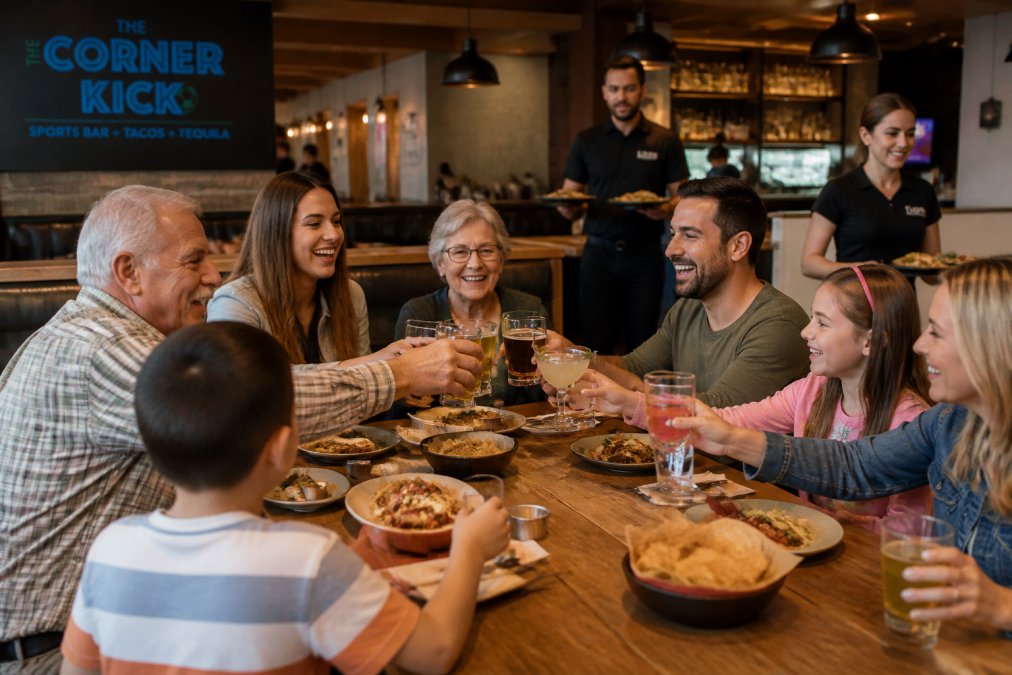
Communicating Your Needs
When you reserve, provide three pieces of information: your headcount, dietary restrictions, and whether you want family-style service or individual plates. Family-style service, where dishes come out in shared portions, works beautifully at pubs and prevents kitchen overwhelm.
Ask directly: "Do you have a private or semi-private dining area?" Some pubs have a back room or cordoned-off section; others can push tables together in a quieter corner.
Confirm the headcount three days before your event. A quick call prevents surprises when final numbers shift.
Selecting the Right Venue and Understanding Pub Layout
Not every pub works for every group dinner. Your venue choice determines whether your event feels intimate or chaotic.
Assessing Venue Capacity and Private Dining Options
Walk into the pub before booking. Look at the layout and where your group would sit. Is there a back room, patio, or quieter section? How far is that space from the bar?
Ask the manager about their maximum capacity for groups. This isn't about fire code; it's about the kitchen's ability to keep up with orders. A pub with two line cooks can't execute 20 entrees simultaneously.
If the pub has a private dining room, ask about minimum spend or deposit requirements. Many establishments ask for a guaranteed minimum, which you'll either meet or exceed through food and drink orders (nra.org). Understand this upfront.
Evaluating Noise Level and Atmosphere
Visit during the time of day you're planning your event. A 6 p.m. Tuesday feels completely different from an 8 p.m. Saturday. Ask the staff: "How loud does it get during the time we're planning to come?" If live music or a major sports broadcast is happening, the atmosphere will be significantly louder.
Check accessibility too. Are there steps to the private dining area? Is the restroom accessible? Can someone in a wheelchair navigate the layout?
Mid-West Mex Menu Options for Groups
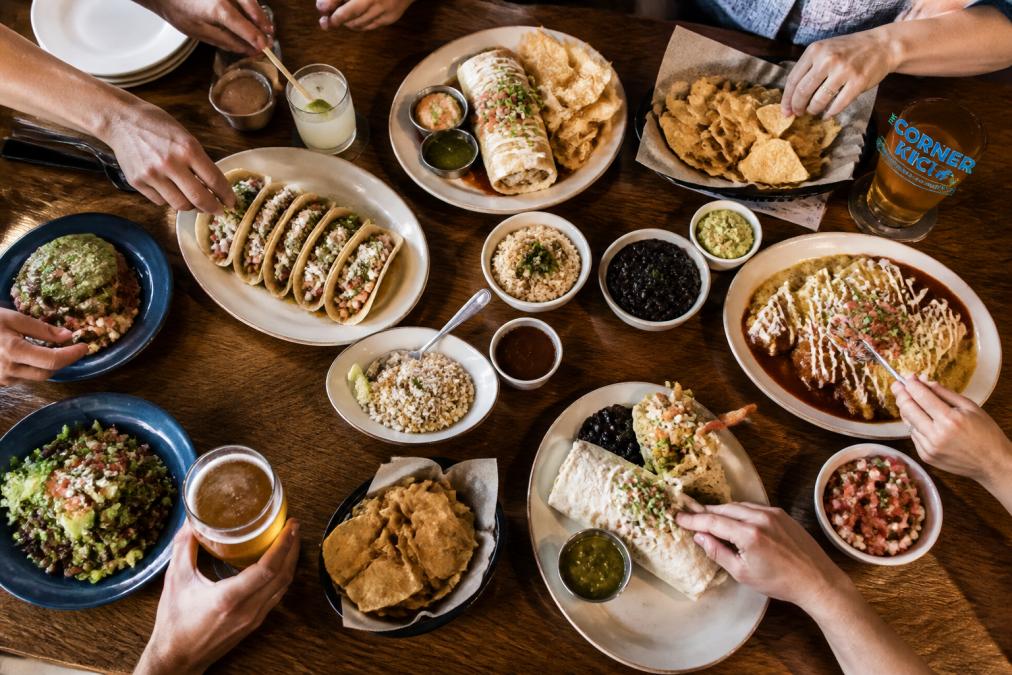
The menu matters far more than most people realize. You need flexibility, shareable options, and dishes that hold up if they sit for a few minutes.
Handling Dietary Restrictions and Preferences
Before your event, send your guests the menu with a request: "Please let me know if you have any dietary restrictions or strong preferences by [date]." Collect responses and call the pub back with a summary: "We have two vegetarians, one person avoiding dairy, and one person with a shellfish allergy. Can your kitchen accommodate these?"
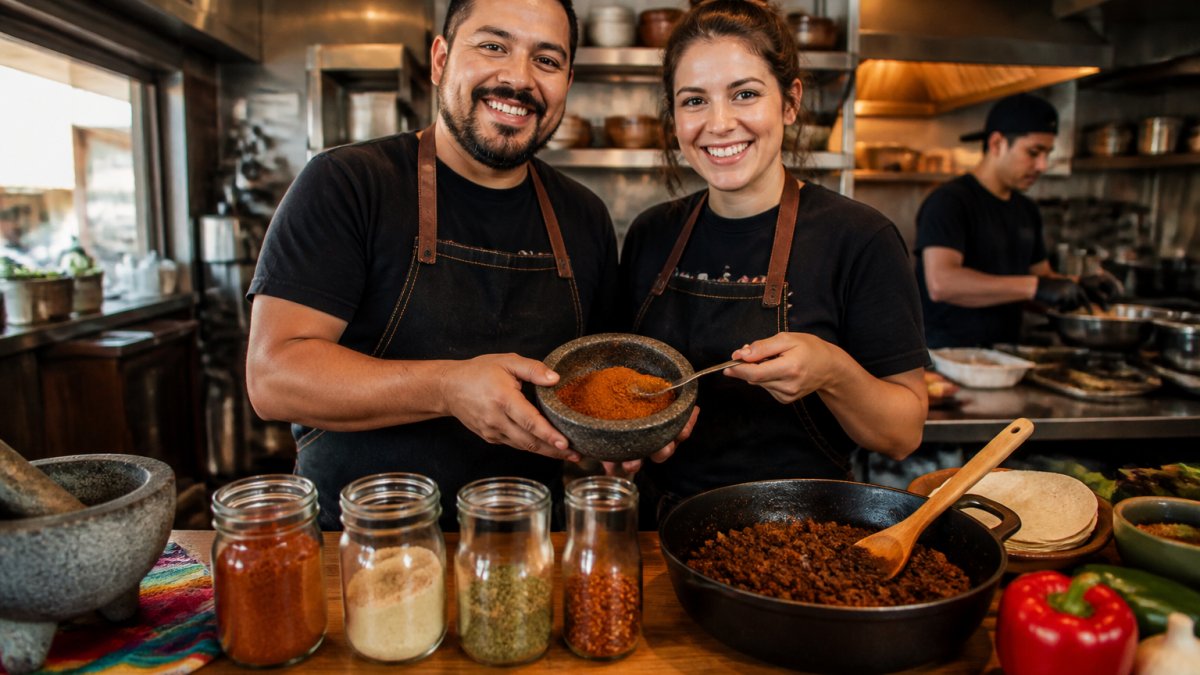
Most pubs can handle basic restrictions. Better to know this a week out than have a guest arrive unable to eat. A good pub will work with you. The Corner Kick Cantina's scratch kitchen can modify most dishes, but you need to communicate clearly and in advance.
For large groups, ask if the kitchen prefers pre-ordering: "Can we select five or six dishes ahead of time, and you'll prepare them family-style?" This prevents the kitchen from being overwhelmed and speeds up service.
Family-Style Service and Shared Plates
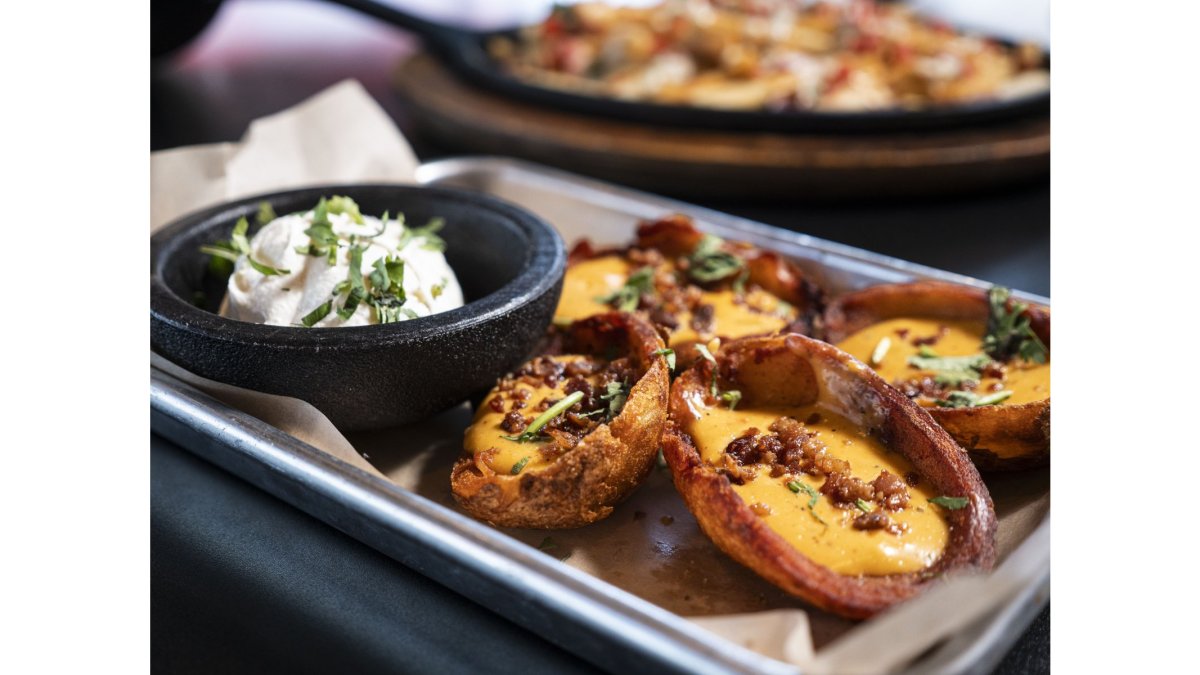
Family-style service is ideal at a pub. Instead of each person ordering individually, you select three to five dishes that come out in large portions everyone shares. This approach is faster, cheaper, and builds community as people pass plates and serve each other.
Ask the pub: "Can we do family-style service with shared plates?" Most pubs will tell you one entree feeds two to three people comfortably. For a group of 18, order six to nine main dishes, plus appetizers and sides to share.
Large Group Dining Etiquette and Social Flow
Hosting a group dinner isn't just about food and logistics. It's about creating an experience where people want to be.
Seating Arrangements and Guest Experience
Arrange seating before your guests arrive. Put your oldest relatives or guests who don't know each other well at the center of the table where conversation flows naturally. Seat close friends or family members who already know each other at the ends.
If you have children, seat them with adults who can help them navigate the menu and environment. The goal is to create conversation zones. A 20-person table that's too long feels fragmented. If the pub can arrange two smaller tables facing each other or a U-shape, people can actually see and hear each other.
Managing the Cocktail Hour and Arrival Period
Not everyone arrives at exactly 6 p.m. The gap between first and last arrival can be 20 minutes or longer.
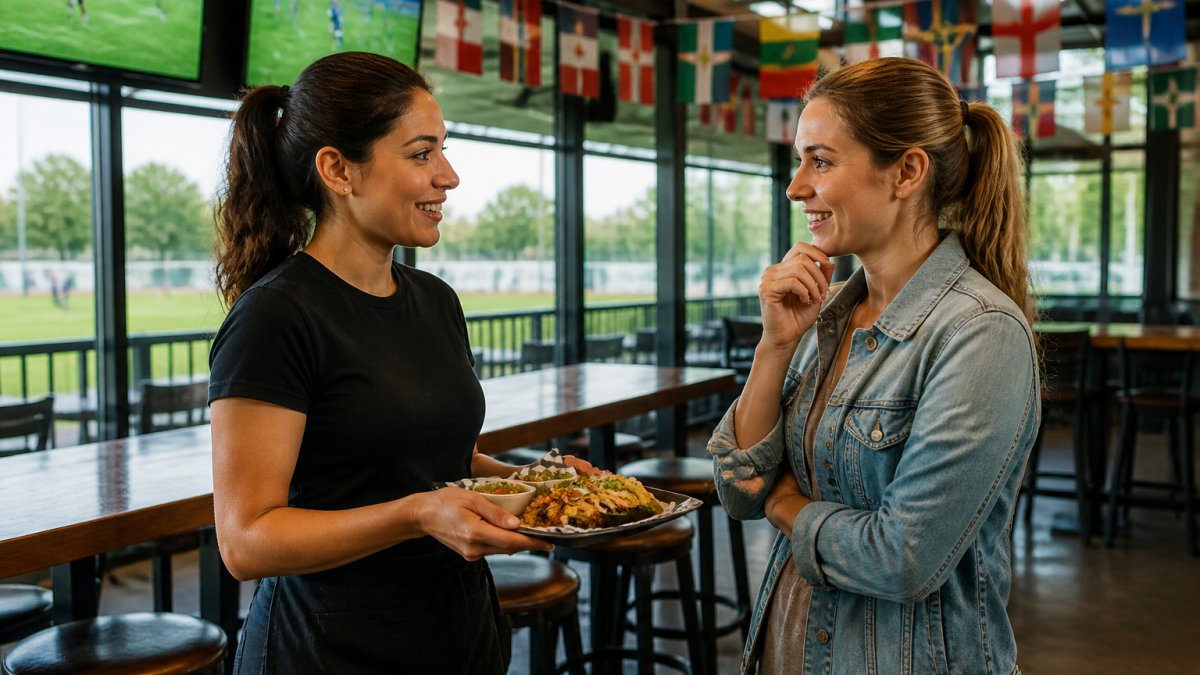
Ask the staff: "When people arrive early, can they grab a drink at the bar and wait in that area?" This prevents early arrivals from sitting at an empty table feeling awkward.
Have a plan for what happens during this window. Communicate to the staff: "We'll do a cocktail hour for the first 20 minutes, then we'll be ready to order food once everyone's here." This gives the kitchen a clear signal about when to start prep work.
Make sure the pub has good non-alcoholic options: sparkling water, fresh juices, coffee, tea. A family dinner should feel inclusive for everyone.
Planning Your Timeline and Coordinating with Staff
A successful group event hinges on clear communication with staff. They need to know what to expect and when.
Creating an Event Timeline
Build a timeline that accounts for arrival, cocktails, ordering, food service, and dessert. Here's a realistic example for a 7 p.m. reservation:
6:50 p.m. - First guests arrive, grab drinks at the bar 7:05 p.m. - Everyone seated, menus out, appetizers ordered 7:20 p.m. - Appetizers arrive, guests browsing entrees 7:30 p.m. - Entree orders finalized, kitchen begins prep 7:50 p.m. - First entrees arrive 8:10 p.m. - All entrees out, group eating 8:40 p.m. - Plates cleared, dessert/coffee orders 9:00 p.m. - Dessert arrives, event winding down
Share this timeline with the pub manager when finalizing your reservation. "We're planning for a 7 p.m. start with appetizers coming out quickly, entrees around 7:50, and dessert around 8:40. Does that work with your kitchen's typical pace?"
Working with the Event Coordinator
Most pubs have a manager or senior server who handles group reservations. This is your point person. Get their name, phone number, and email.
Two weeks before: confirm the reservation, give final headcount, and outline special requests.
One week before: finalize the menu if pre-ordering, confirm dietary restrictions, and clarify the timeline.
Three days before: call to confirm you're still on.
24 hours before: final headcount confirmation.
This prevents misunderstandings. The server who took your reservation three weeks ago might not be working that night.
Managing Budget, Deposits, and Payment
Talk about money upfront to avoid awkward surprises.
Understanding Minimum Spend and Service Charges
If the pub requires a minimum spend or deposit, confirm the amount in writing. "Your private dining room requires a minimum spend. That includes food and non-alcoholic beverages but excludes alcohol. Is that correct?"
Ask about service charges. Many establishments add an automatic 18-20% gratuity for groups of 15 or more (nra.org). Others don't. Know this before you order.
Handling Split Checks and Gratuity
Split checks are a pain for servers and payment systems. Better approach: collect payment beforehand or designate one or two people to handle payment at the end. If you must split the check, ask the manager how they prefer to handle it.
For gratuity, remember your server just spent two hours managing a large, complex group. If service was good, tip well. If there's no automatic gratuity, 18-20% is standard for groups.
Ensuring Accessibility and Inclusivity
A family dinner should feel welcoming to everyone.
Check whether the pub is wheelchair accessible. Can someone navigate from the entrance to the dining area and restrooms? Ask about noise levels for guests who are hard of hearing or have sensory sensitivities. A quiet 6 p.m. slot works better than a loud 9 p.m. slot.
For guests with mobility challenges, ask if the pub can reserve a seat closest to the restroom or a table that's easy to access. Small accommodations make a huge difference.
Make sure the menu is available in advance so guests with dietary restrictions or allergies can plan. If someone has a severe allergy, brief the server directly: "This guest has a peanut allergy. Please confirm with the kitchen that their food is prepared in a peanut-free area."
Hosting a family dinner at a local pub is entirely doable when you plan ahead and communicate clearly. At The Corner Kick Cantina, we work with families regularly to create events that feel relaxed, inclusive, and genuinely fun. Our scratch kitchen accommodates dietary needs, our staff understands group logistics, and our space is designed for people to gather and connect. When you're ready to book your family dinner, reach out and we'll walk you through every detail. Book today and let us help you create an event your family will talk about for years.
Frequently Asked Questions
How far in advance should I book a table for a family dinner at a local pub?
Book at least 2-3 weeks ahead for groups of 15 or more. For smaller family dinners of 6-10 people, one week is typically sufficient. If your pub has a private dining room or hosts large events regularly, ask about their minimum advance booking window. Weekends and holiday periods fill faster, so earlier reservations are better. Contact the venue directly to confirm availability and discuss your headcount.
What should I know about large group dining etiquette at a local pub?
Respect the pub's operating hours and kitchen capacity. Arrive on time so service can flow smoothly. Communicate dietary restrictions and headcount changes in advance. When sharing tables, be mindful of noise levels and other guests. Clarify payment expectations beforehand, whether you're splitting checks, running one tab, or using a service charge. Tip appropriately on group bills (15-20% is standard), and coordinate with your event coordinator to manage the guest experience from arrival through departure.
How do I handle dietary restrictions when hosting a family dinner at a restaurant?
Inform the venue at least one week before your event. Ask about menu customization options and which dishes can accommodate allergies, vegetarian, vegan, or other dietary needs. Provide a final headcount and dietary breakdown to your event coordinator. Most pubs with scratch kitchens can adapt dishes, ask about ingredient sourcing and preparation methods. During the event, remind guests to inform servers of restrictions so the kitchen can prepare meals safely.
What is the proper etiquette for tipping on a large group bill?
Standard gratuity for large parties is 18-20% of the pre-tax total. Many venues automatically add a service charge (usually 18%) to group checks, so verify this before finalizing your bill. If splitting checks individually, each person should tip on their portion. If one person handles the full payment, calculate the tip on the entire subtotal. Always tip servers and bartenders fairly, they work hard to coordinate large events. Ask your event coordinator about the venue's tipping policy upfront.