 blog
Best Gluten Free Taco Options in Omaha: 2026 Guide
Table of Contents
- Why Omaha's Taco Scene Works for Gluten-Free Diners
- Gluten Free Mexican Food Omaha: What to Look For on a Menu
- Corn vs Flour Tortillas Gluten Free: What You Need to Know
- Best Gluten Free Taco Options in Omaha: Taco Types and Fillings
- Cross-Contamination Protocols: How Omaha Kitchens Keep Tacos Safe
- Ingredient Transparency and Visual Verification at Omaha Taco Spots
- Conclusion
- Frequently Asked Questions
Last Updated: September 12, 2026
Why Omaha's Taco Scene Works for Gluten-Free Diners
Ordering a gluten free taco in Omaha no longer means settling for a plain lettuce wrap while everyone else eats well. The city's taquerias and cantinas lean hard on corn, and that single fact changes everything for anyone avoiding wheat. A gluten free taco is a taco built on a maize-based tortilla, filled with ingredients that never touch wheat flour, and prepared in a kitchen that keeps flour tortillas away from the corn press, the fryer, and the salsa station.
This guide covers what to look for on a menu, why corn beats flour every time, and which taco styles travel safest from kitchen to table. Below, we'll show you exactly how to order with confidence, and what questions actually get useful answers from a server.
Gluten Free Mexican Food Omaha: What to Look For on a Menu
Authentic Mexican food is naturally wheat-free at its core. The staples of the cuisine, corn tortillas, rice, beans, grilled meats, and salsas, contain no wheat at all. The trouble shows up in the shortcuts: flour tortillas used as defaults, wheat-based thickeners in sauces, and shared fryers.
Reading Menu Labels and Asking the Right Questions
Ask three specific questions before you order: Are the tortillas made from corn or flour? Is there a dedicated fryer for chips? Do any marinades or sauces use flour or soy sauce? Vague answers are a red flag.
Why Dedicated Fryers and Prep Zones Matter
A dedicated fryer means chips and taco shells fry in oil that has never touched a flour tortilla, a breaded item, or a wheat-based appetizer. Shared oil is one of the most common sources of cross-contact in casual Mexican kitchens, and it is invisible on the plate.
Corn vs Flour Tortillas Gluten Free: What You Need to Know
Corn tortillas are gluten free by nature; flour tortillas are not. That single distinction decides most of your order. Corn tortillas are made from masa, a dough of nixtamalized maize, and contain no wheat unless a kitchen adds it, which is rare but worth confirming.
Corn Tortillas and Maize-Based Options
Corn tortillas come in yellow and white varieties, and both are safe when made from straight masa. Locally made yellow maize tortillas tend to have a fuller, sweeter flavor than mass-produced versions.
Flour Tortilla Alternatives and Wheat-Free Swaps
When a taco calls for a flour tortilla, ask for a corn swap. Most kitchens will do it without complaint. If the restaurant only offers flour, that is your signal to order something else entirely, like a bowl or a plate of street tacos on corn.
Best Gluten Free Taco Options in Omaha: Taco Types and Fillings
The safest and most satisfying gluten free taco is a corn tortilla street taco with grilled or slow-cooked meat, fresh garnish, and a house-made salsa. Street tacos are small, simple, and rarely rely on flour-based sauces.
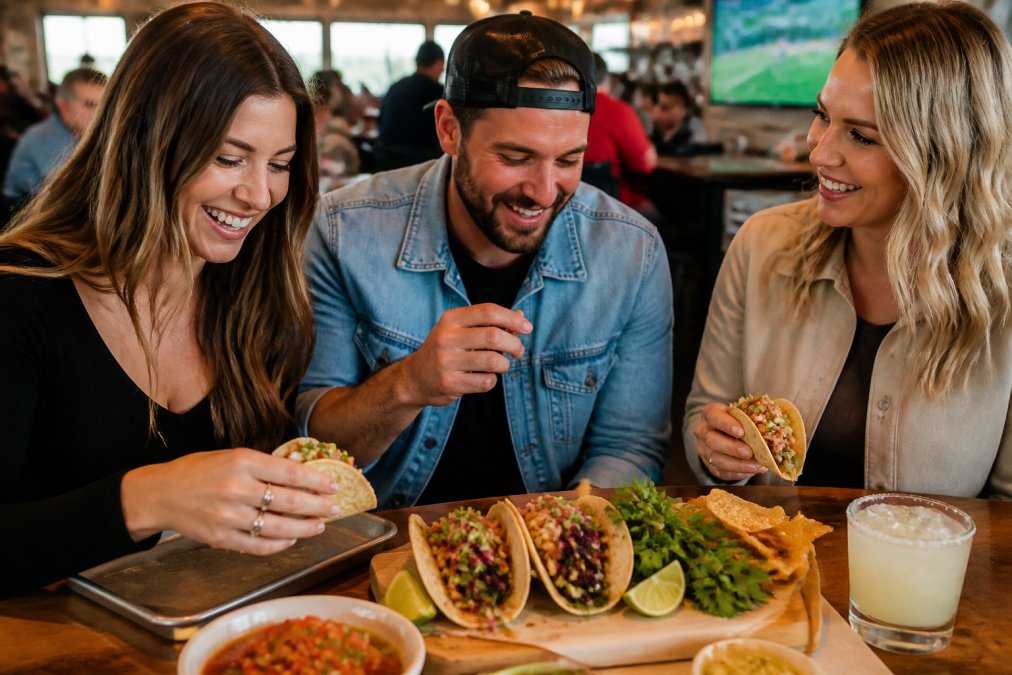
Here's how the main taco styles stack up:
| Taco Style | Tortilla | Watch For | Best For |
|---|---|---|---|
| Street tacos | Corn | Shared fryer for shells | Quick, safe default |
| Carnitas tacos | Corn | Flour thickeners in sauce | Slow-cooked flavor |
| Carne asada tacos | Corn | Marinade ingredients | Grilled, smoky taste |
| Fish tacos | Corn | Beer batter, shared fryer | Lighter appetite |
| Birria tacos | Corn | Consomme thickeners | Rich, dipped style |
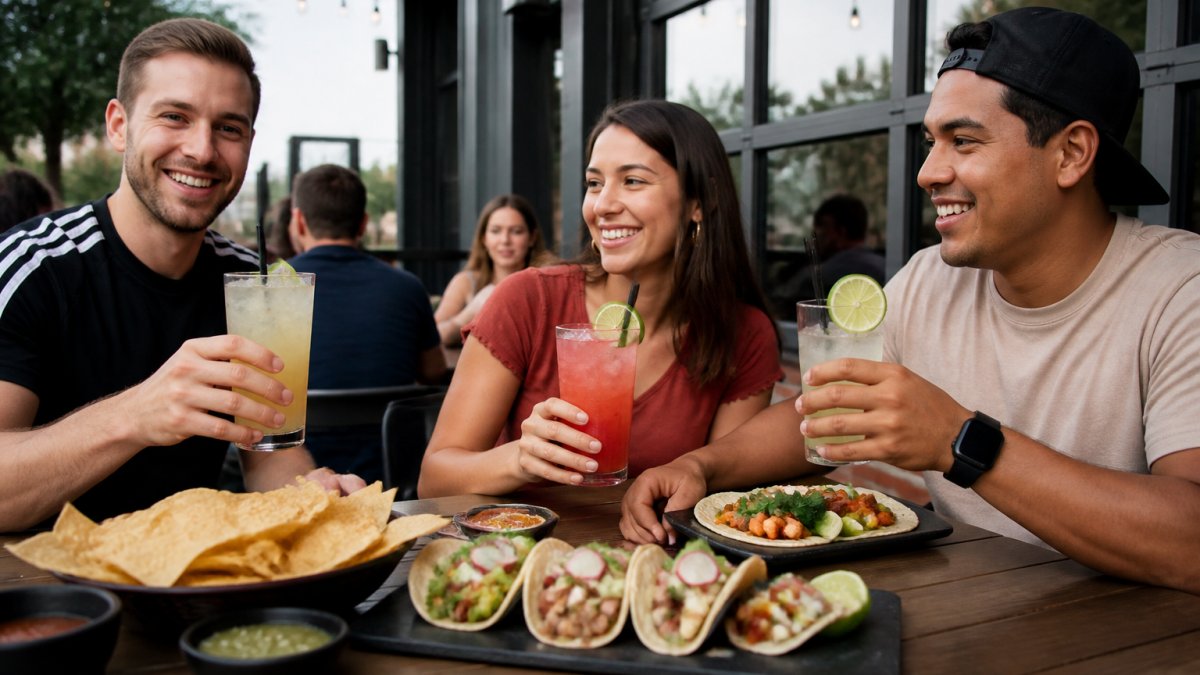
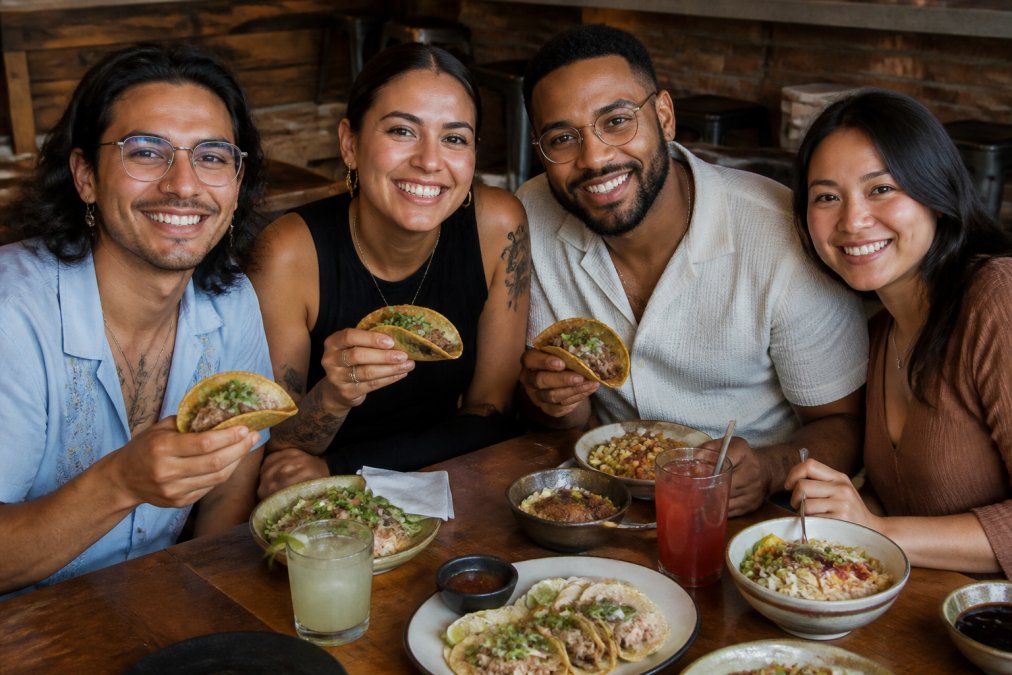
At The Corner Kick Cantina, our Mid-West Mex scratch kitchen builds tacos on locally made yellow maiz tortillas with all-natural meats, so the corn base is the standard, not a special request.
Cross-Contamination Protocols: How Omaha Kitchens Keep Tacos Safe
Cross-contamination is the real risk, not the recipe. A corn tortilla that touches a flour-dusted prep surface, a shared cutting board, or a fryer basket used for churros is no longer safe, and the plate will look identical either way. Maintaining this level of vigilance is essential for those managing digestive health, as even minor exposures can necessitate a temporary shift toward sensitive stomach foods to restore internal balance.
The Six Stations Where Cross-Contact Happens
Walk through a taco kitchen in your head and you can map the risk:
- The tortilla press or warmer. Corn and flour tortillas should never share a press, a warmer drawer, or a stack. Flour dust is fine and airborne; it settles on whatever is open nearby.
- The fryer. Chips, taco shells, and hard-shell tortillas are the highest-risk items on the menu. If the same oil fries flour-dusted items, breaded appetizers, or churros, the corn is no longer gluten free.
- The flat-top and grill. Flour tortillas are often warmed on the same surface as carne asada and peppers. Ask whether the corn tortillas are warmed in a separate pan, on a dedicated section of the flat-top, or in a foil packet.
- The prep line and cutting boards. A board used to portion flour tortillas and then sliced limes or cilantro carries residue. Color-coded boards (a common pattern is a designated allergen board) are a good sign.
- The salsa and garnish station. Shared spoons that move between a flour-thickened crema and a house salsa are a quiet risk. So are shared squeeze bottles and shared tongs.
- Gloves and hands. A cook who builds a flour tortilla quesadilla and then grabs a corn tortilla without changing gloves has already cross-contacted your order.
What a Real Protocol Looks Like
A kitchen with a genuine protocol can describe it in specifics, not adjectives. Listen for concrete answers: a named dedicated fryer, a separate warming method for corn, a specific person who handles allergen tickets, and a stated glove-change rule.
The FDA guidance on food allergen control outlines how commercial kitchens should manage allergen cross-contact, and the same principles apply whether you are cooking at home or ordering out. When you call ahead, ask whether the kitchen has a written protocol. A yes with specifics beats a cheerful yes every time.
The Questions That Get Useful Answers
Vague questions get vague answers. Try these instead:
- "Which fryer do the chips come out of, and what else goes in that oil?"
- "How do you warm the corn tortillas, same surface as the flour ones or separate?"
- "If I order a bowl instead of a taco, does the protein come off the same line as the flour tortillas?"
- "Who on the line handles allergy tickets tonight?"
If the person taking your order cannot answer and does not offer to check with the kitchen, that is information too.
Why This Matters More Than the Menu Label
A menu can say "GF" and still be built in a kitchen where flour is in the air. For diners with celiac disease, the difference between a labeled item and a protected item is the difference between a good meal and a reaction (celiac.org).
Ingredient Transparency and Visual Verification at Omaha Taco Spots
Transparency is where most dining guides stop short. "Ask about the marinade" is not a strategy, it is a shrug. What actually helps is knowing which ingredients in a Mexican kitchen commonly hide wheat, what to ask about each one, and how to read the room before you sit down.
The Hidden-Gluten Shortlist
These are the items most likely to carry wheat in a taco kitchen, even when the dish looks naturally gluten free:
- Marinades. Carne asada, al pastor, and pollo marinades sometimes use soy sauce, which is typically brewed with wheat. A kitchen that makes its own marinade can tell you; a kitchen that buys one may not know.
- Sauces and cremas. Flour is a common thickener in mole, in some enchilada-style sauces, and in crema-based drizzles. Ask whether the sauce is thickened with flour or with cornstarch.
- Consomme and birria broth. Birria consomme is sometimes thickened or finished with a wheat-based ingredient. Ask what is in it beyond chiles and drippings.
- Seasoning blends. Pre-blended taco seasoning and some adobo pastes can include wheat as an anti-caking or filler agent. Scratch-seasoned meat is usually the safer bet.
- Beer batter. Fish tacos are the classic trap. If the batter has beer or flour, the taco is not gluten free no matter what tortilla it sits on.
- Chips and hard shells. Covered above, but worth repeating: the fryer decides this one, not the ingredient list.
A Script That Works
You do not need to interrogate the server. Three sentences cover most of it:
- "I have a gluten allergy, can you tell me which of the sauces and marinades have flour or soy sauce in them?"
- "Are the corn tortillas warmed separately from the flour ones?"
- "Which fryer do the chips come out of?"
If the answers come back specific, a named fryer, a named sauce, a named thickener, you are in good hands. If they come back as "I think it's fine," ask for a manager. The Celiac Disease Foundation dining guidance recommends confirming ingredient sources directly with the restaurant rather than relying on menu labels alone, and that conversation is exactly what this script is for.
Visual Verification: What to Watch For
If you can see the line, you can learn a lot in thirty seconds. Corn tortillas come out of a press or a bag labeled maize; flour tortillas are usually stacked separately and dusted white. Watch for flour dust near the corn station, shared tongs moving between the two stacks, and a single warming surface handling both. None of these are proof of a problem on their own, but a pattern of them is your answer.
The Gluten-Free Tax: What You Are Actually Paying For
Most taco lists ignore the price side of this. In practice, gluten free taco orders tend to fall into three tiers:
- No premium. Street tacos on corn at a taqueria are often the same price as the flour version, because corn is the default, not a substitution.
- Small swap fee. Some casual spots charge a modest upcharge to swap flour for corn, or to build a bowl instead of a tortilla-wrapped item.
- Premium build. Scratch kitchens that make their own tortillas, source all-natural meats, and run a dedicated fryer charge more, and that premium is usually buying you the protocol, not the tortilla.
The practical takeaway: the cheapest gluten free taco is usually the one at a corn-first taqueria, and a safe one is usually at a scratch kitchen that can answer the hidden-gluten questions without leaving the line.
Transparency is a conversation, not a label. Know the six hidden-gluten suspects, ask the three questions, watch the line for thirty seconds, and decide whether the premium you are paying is buying protocol or just marketing.
Conclusion
Finding a genuinely safe gluten free taco takes more than a "GF" label on a menu. It takes a kitchen that separates its corn from its flour, answers your questions straight, and treats dietary restrictions as a normal part of the job.
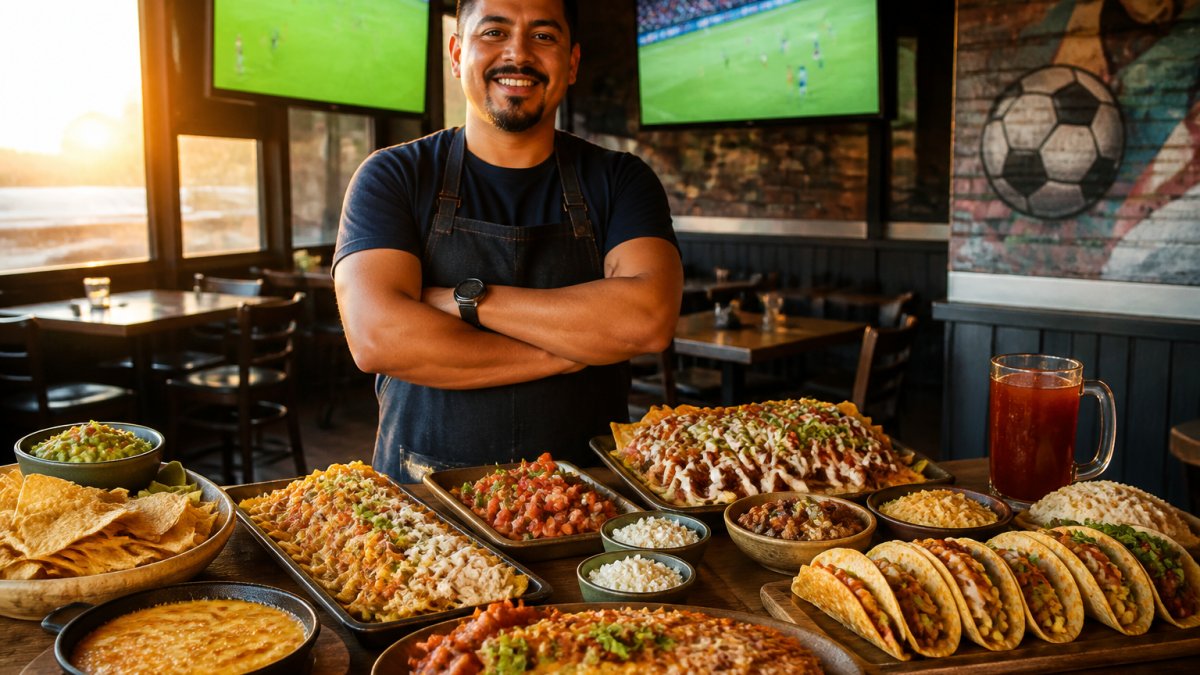
Our scratch kitchen builds every taco on locally made yellow maiz tortillas, uses all-natural meats, and serves house-made salsas in a space built for game days, family dinners, and everything between. Book today and taste what a properly made gluten free taco can be.
Frequently Asked Questions
Are corn tortillas always gluten-free?
Not always. Traditional corn tortillas made from maize and lime water are naturally gluten-free, but some brands add wheat flour as a binder or process tortillas on shared equipment. At a gluten free taco spot in Omaha, ask whether the corn tortillas are 100% maize-based and made in a dedicated area. Cross-contact during pressing or warming can introduce gluten even when the recipe itself is safe.
How do I identify cross-contamination risks at taco restaurants?
Ask about dedicated fryers for chips and shells, separate prep surfaces for flour and corn tortillas, and whether staff change gloves between handling wheat and corn items. A kitchen that uses the same tongs for flour and corn tortillas or fries both in one basket creates cross-contact risk. Look for restaurants that can describe their kitchen protocols clearly and confirm they use separate utensils and zones.
What should I order at a gluten free Mexican food Omaha restaurant?
Start with corn tortilla tacos filled with grilled meats, carnitas, or barbacoa that are not thickened with flour. Ask whether marinades contain soy sauce or wheat-based ingredients. Skip flour tortilla wraps, breaded items, and anything from a shared fryer. Pair tacos with house-made salsas and fresh garnishes. Confirm the kitchen uses a dedicated fryer for chips and that the corn tortillas are warmed on a clean surface.
Which taco fillings are typically gluten-free?
Plain grilled steak, chicken, carnitas, barbacoa, and fish that is not battered are usually gluten-free. Watch for fillings thickened with flour, marinated in soy sauce, or served with flour-based toppings. Al pastor can be safe if the marinade uses achiote and chiles rather than wheat. Always ask about marinade ingredients and whether the kitchen uses wheat-based thickeners in salsas or sauces.